
Supplements for Energy: Evidence-Based Guide to Beating Fatigue
Feeling perpetually drained despite sleeping eight hours? You’re not alone.
The search for supplements for energy has intensified as modern life demands more from our minds and bodies.
Yet here’s the critical truth: while dietary supplements can genuinely help specific deficiencies, they cannot fix chronic fatigue on their own.
The right approach requires understanding what’s actually depleting your energy reserves.
Quick Answer: Do Energy Supplements Really Work?
Energy supplements work best when they address documented deficiencies in nutrients like iron, vitamin B12, vitamin D, or magnesium.
Simply put, fatigue is often a direct result of low levels of essential vitamins and minerals, and supplementing these is most effective with a known deficiency.
For example, research shows that magnesium supplements can boost energy levels, especially in those with low magnesium, due to its crucial role in energy production and combating fatigue.
If your ferritin is genuinely low, taking iron supplements will likely help. If your levels are normal, extra iron won’t boost energy—and may cause harm.
The fastest energy boost comes from stimulants like caffeine, but these merely mask tiredness without resolving root causes.
Nutrient corrections, by contrast, typically take 4–12 weeks to show full effects as your body rebuilds stores and optimizes cellular energy production.
Unexplained fatigue lasting more than 4–6 weeks warrants blood work and medical evaluation before reaching for supplements.
This article covers vitamins and minerals, amino acids, adaptogens, stimulants, and lifestyle support.
Natural energy supplements generally fall into three categories: foundational nutrients, adaptogens, and cellular support boosters.
The information reflects current 2026 evidence from peer reviewed studies—always check for drug interactions with your healthcare provider.
Daily support for adults 45+
Try Lifeguard Essentials — first month free
Get started with Lifeguard Essentials with no risk. Your first month is free — you only pay shipping. It’s a simple daily formula designed to support energy, immunity, heart health and vitality as you age.
Claim Your Free First MonthHow Energy Works in the Body (and Why You Feel Tired)
Your cells produce energy through ATP synthesis in mitochondria, where glucose, fats, and amino acids are oxidized through glycolysis, the Krebs cycle, and oxidative phosphorylation.
This process requires specific cofactors: B vitamins act as coenzymes, iron transports oxygen via hemoglobin, magnesium stabilizes ATP molecules, and thyroid hormones regulate metabolic rate.
Disruption anywhere along this chain causes fatigue.
Common non-supplement causes of low energy include poor sleep, chronic stress, under-eating, overtraining, infections, anemia, hypothyroidism, and depression.
Before assuming you need supplements, consider whether these factors might explain your energy drain, since supplements are not a substitute for a healthy lifestyle.
Key lab tests for fatigue evaluation in 2026:
- CBC (complete blood count) for anemia
- Ferritin (optimal >50-100 ng/mL)
- Serum B12 (>400 pg/mL ideal)
- Folate
- 25-hydroxy vitamin D (>30 ng/mL)
- TSH (0.5-2.5 mIU/L optimal)
- Fasting glucose/HbA1c
Supplements work best when matched to documented issues via a blood test rather than taken “just in case.” The following sections are organized by supplement type for easy scanning.

Core Vitamins and Minerals for Energy
Nutrient-related fatigue typically develops gradually and improves over weeks once corrected. A healthy diet should be your foundation—whole foods, lean proteins, whole grains, and vegetables provide baseline nutrition, with supplements filling documented gaps, especially for adults over 40 who may need tailored immune support with key nutrients.
This section covers iron, magnesium, B-complex vitamins, vitamin D, vitamin C, zinc, and selenium as the most relevant specific vitamins for energy metabolism.
Avoid megadoses and generally stay near recommended daily allowances unless a clinician prescribes higher therapeutic doses for deficiency.
Iron
Iron is necessary to form hemoglobin, a protein inside red blood cells that transports oxygen to all the cells in the body, which is essential for energy production.
When iron levels drop, tissues become hypoxic, causing tiredness, shortness of breath on exertion, and reduced exercise performance.
Around 1% of U.S. males and 11% of U.S. females have low iron levels, which can significantly impact energy levels and overall health.
A deficiency of iron can cause iron-deficiency anemia, which leads to extreme fatigue and muscle weakness due to insufficient oxygen transport to the muscles.
Both iron deficiency and iron overload can negatively affect bone marrow function, potentially leading to problems with blood cell production, which may cause bleeding issues or anemia.
High-risk groups in 2026:
- Menstruating and pregnant women
- Frequent blood donors (ferritin drops 20-30 ng/mL per donation)
- Endurance athletes
- People with celiac disease or IBD
Request a ferritin test, not just hemoglobin, before taking iron supplements. Supplemental doses range from 18–27 mg elemental iron for maintenance to 45–65 mg daily short-term for documented deficiency under medical guidance.
Side effects include constipation, nausea, and dark stools. Never take iron “just in case”—iron overload can cause serious organ damage.
Pair iron rich foods like lean red meat, lentils, spinach, pumpkin seeds, and fortified cereals with vitamin C to enhance absorption from plant sources.
Magnesium
Magnesium helps break down glucose into energy, and low intakes are associated with various health issues including type 2 diabetes and metabolic syndrome.
This mineral facilitates over 300 enzymatic reactions, including ATP production from carbohydrates and fats, muscle function, and nerve signaling.
Approximately 48% of the U.S. population consumes less than the required amount of magnesium from food, which is 320 mg for women and 420 mg for men.
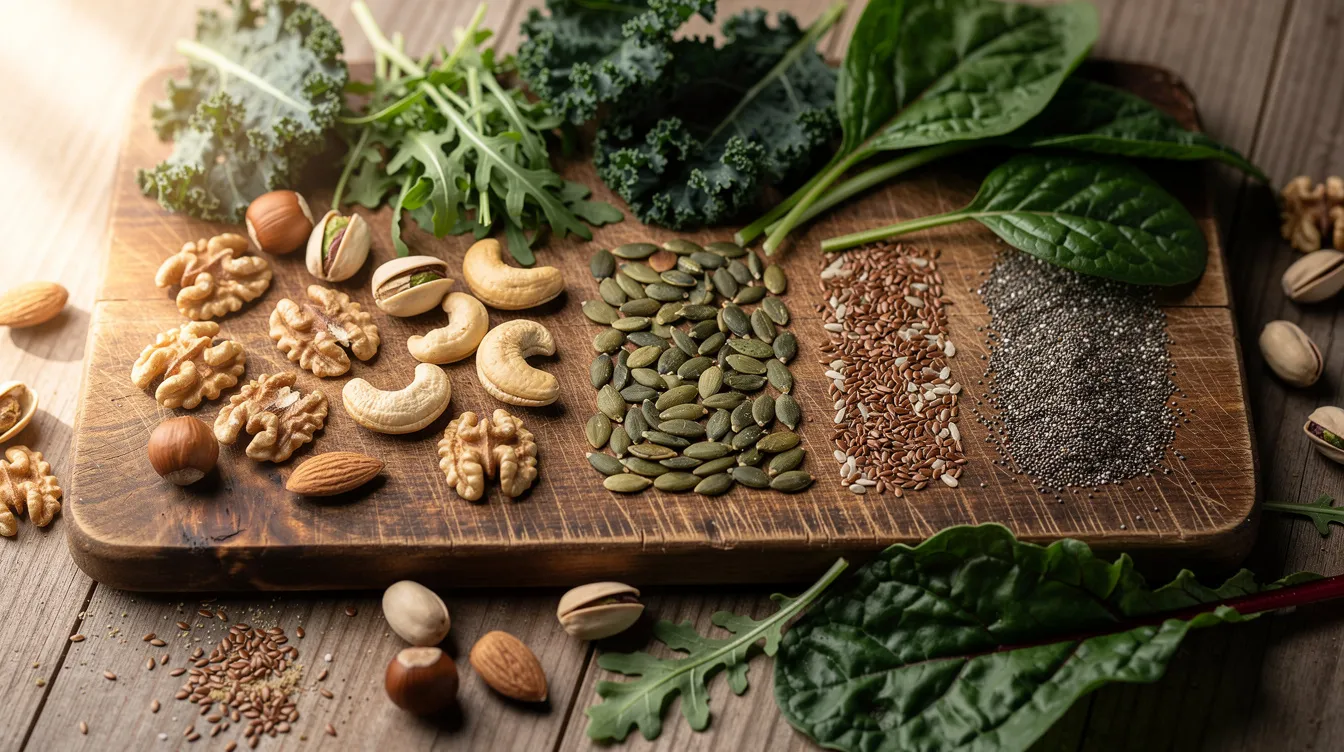
This widespread shortfall stems from processed food diets low in nuts, whole grains, and leafy greens.
Symptoms of magnesium deficiency include fatigue, muscle weakness, and muscle cramps, and the risk of deficiency is higher in individuals with certain medical conditions.
Restless legs and poor sleep quality often accompany low levels.
Magnesium supplements can help boost energy levels, particularly in individuals with low magnesium or those experiencing fatigue.
Food sources: almonds, cashews, pumpkin seeds, black beans, quinoa, oats, spinach, plain yogurt
Magnesium supplements at 200–350 mg elemental daily (glycinate or citrate forms for better absorption) may help.
High doses—especially magnesium oxide—can cause diarrhea and are contraindicated in kidney disease.
B-Complex Vitamins (B6, B9, B12)
B vitamins are crucial for cellular energy production and play a role in converting food into usable energy (ATP).
They serve as coenzymes in glycolysis, the TCA cycle, and red blood cell formation, making them central to how your body actually uses calories for fuel.
Vitamin B12 is essential for red blood cell formation, neurological function, and DNA production, which is critical for healthy cellular processes and overall health. It also plays a crucial role in cellular energy production.
A deficiency in vitamin B12 can lead to symptoms such as fatigue and weakness, as it is involved in energy metabolism.
High-risk groups for B12 deficiency:
- Vegans and vegetarians (up to 90% deficient without supplementation)
- Adults over 60 (about 6% of people aged 60 and older are deficient in vitamin B12, partly due to decreased absorption from food as they age)
- Long-term metformin users
- Those on PPIs or H2 blockers
- Bariatric surgery patients
Folate (B9) deficiency is less common since grain fortification began, though heavy alcohol use and certain prescription drugs increase risk.
Folic acid supplementation remains important for pregnant women.
Typical doses: 50–100 mg for most B-complex ingredients, 400–800 mcg folate, and 250–500 mcg vitamin B12 daily for support.
Correcting documented B deficiencies can significantly reduce fatigue over 4–8 weeks. B12 injections work faster for severe deficiency, often improving energy after 1–2 shots.
Vitamin D
Vitamin D supports muscle strength, immune function, and mood through calcium and phosphate homeostasis.
Vitamin D deficiency can lead to weak bones, bone pain, muscle spasms, and fatigue, impacting overall energy levels.
Many people living above 37° latitude or working indoors have low vitamin D, especially during winter months.
Observational studies suggest that low blood levels of vitamin D are associated with higher risks for cancer, heart disease, and diabetes.
Sources: fatty fish (salmon, mackerel), egg yolks, fortified milk, plant milks, and cereals
The Recommended Dietary Allowance (RDA) for vitamin D is 600 international units (IU) per day for adults up to age 70 and 800 IU per day for those ages 71 and older.
Many clinicians recommend 800–2000 IU daily in 2026. Vitamin D3 (cholecalciferol) raises blood levels more reliably than D2.
Taking vitamin D at high doses exceeding 4000 IU daily without monitoring risks toxicity, including hypercalcemia, kidney stones, and heart issues.
Vitamin C
Vitamin C (ascorbic acid) scavenges reactive oxygen species, supports immune function, and improves non-heme iron absorption—indirectly supporting energy.
It also aids carnitine synthesis for fatty acid transport into mitochondria.
Outright deficiency (scurvy) is rare in 2026, but low intake contributes to weakness, low mood, and frequent infections.
Food sources include citrus fruits, strawberries, bell peppers, broccoli, and kiwi.
Most people meet needs (75–120 mg daily) through a balanced diet. When taking vitamin supplements, 250–500 mg is typically sufficient.
High doses above 1000–2000 mg can cause diarrhea and may increase kidney stone risk.
Zinc and Selenium
These trace minerals support thyroid hormones and cellular energy production.
Zinc aids T4-to-T3 conversion and over 300 enzymatic reactions; selenium serves as a cofactor for glutathione peroxidase and thyroid deiodinases.
Sources:
- Zinc: beef, oysters, pumpkin seeds, chickpeas (RDA: 8–11 mg)
- Selenium: Brazil nuts, tuna, sardines, eggs (RDA: 55 mcg)
Short-term supplementation helps those with low intake, but chronic high doses (over 40 mg zinc or 400 mcg selenium daily) cause toxicity.
Selenium toxicity symptoms include nausea, brittle hair, and nail changes.
Other Supplements That May Support Energy
Beyond basic nutrition, certain compounds may support energy in specific situations.
The evidence for these is more mixed than for classic nutrient deficiencies, and benefits are often modest.
This section covers protein, creatine, various amino acid compounds, coenzyme Q10, and adaptogens, which are just one part of a broader evidence-based supplements and wellbeing approach.
People with chronic conditions—heart disease, kidney disease, cancer, or hormone disorders—should consult a healthcare professional before using these supplements and stay informed through science-backed health and wellness articles.
Protein
Protein supports muscles, bones, and the nervous system, and is vital for physical performance as you age.
Adequate intake prevents muscle mass loss, supports immune function, and stabilizes blood sugar—all influencing daily energy.
A small study of 60 healthy adults showed that protein supplementation for 90 days reduced low-energy periods by 25% compared to a placebo, with participants noting improved exercise performance.
Current 2026 guidelines suggest 1.2–1.6 g per kg body weight for active and older adults.
Food sources (eggs, poultry, fish, Greek yogurt, tofu, lentils) are preferred. Generally, getting protein from your diet is better than from nutritional supplements when possible, as there is not much data on long-term protein supplementation.
Very high intake without adequate fluids may strain kidneys.
Creatine
Creatine, stored in muscles and brain, rapidly regenerates ATP during short, intense efforts.
Hundreds of studies support creatine monohydrate for muscle strength, power, and sprint performance.
Emerging data suggests possible benefits for chronic fatigue and even long COVID recovery.
Dosing options: loading phase (20 g daily split into 4 doses for 5–7 days, then 3–5 g daily) or simply 3–5 g daily from the start.
Early weight gain of 1–2 kg is water in muscles, not fat.
People with kidney disease should only use creatine under specialist supervision.
Tyrosine and Other Amino Acids
L-tyrosine serves as a precursor for dopamine and norepinephrine, influencing alertness and energy levels under stress.
Controlled trials show single doses can preserve mental performance and mental focus during acute stress—cold exposure, sleep deprivation, military tasks.
Research doses run about 100–150 mg per kg body weight; practical supplements typically contain 500–2000 mg per serving.
Tyrosine has not consistently improved physical performance but may help reduce mental fatigue.
L-carnitine, an amino acid derivative, helps shuttle fats into mitochondria for burning.
Supplementation mainly benefits specific medical conditions (dialysis patients) rather than the general population.
CoQ10
Coenzyme Q10 (CoQ10) is an antioxidant that plays a role in energy production within the body, directly participating in the mitochondrial electron transport chain.
Some studies suggest that taking CoQ10 supplements can potentially enhance athletic performance during intense physical exercise, although evidence is mixed.
Trials show that taking at least 300 mg of CoQ10 daily may help people with fibromyalgia, but results for chronic fatigue syndrome have been mixed.
Typical doses: 100–300 mg daily with meals containing fat for better absorption (ubiquinol form preferred).
CoQ10 can interact with blood thinners like warfarin. Worth discussing with a doctor if you’re on statins and experiencing fatigue or muscle aches.
Adaptogens: Ashwagandha and Rhodiola
Adaptogens help the body manage physical and mental stress, potentially reducing fatigue.
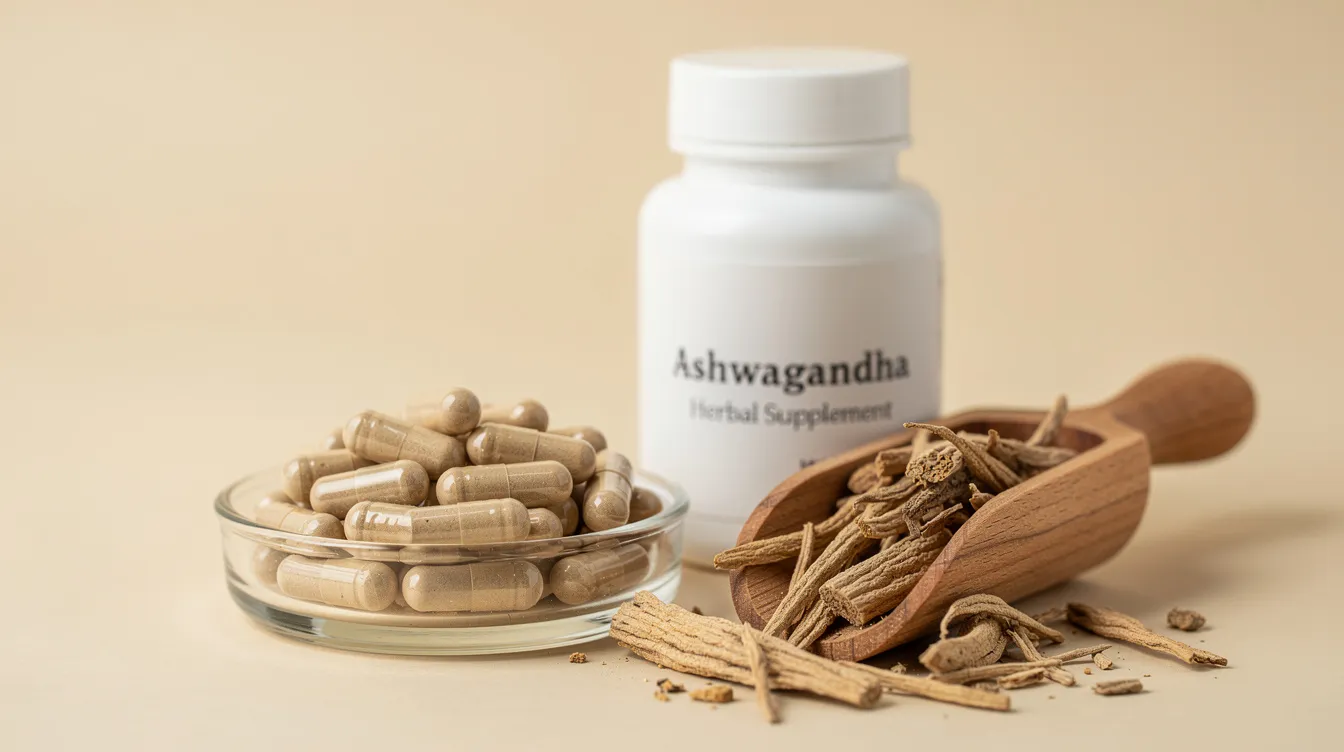
Adaptogens like ashwagandha and rhodiola are believed to help the body adapt to stress and may improve energy levels and mental clarity.
Research suggests that ashwagandha can reduce fatigue and enhance mental clarity, particularly in stressful situations.
Studies show improvements in sleep quality, stress markers, and self-reported energy in 6–8 week trials at 300–600 mg root extract daily.
However, ashwagandha supplements can influence thyroid and testosterone levels—avoid during pregnancy and with hormone-sensitive cancers.
Rhodiola rosea is another adaptogen that has been used in traditional medicine to combat fatigue and improve overall energy and performance.
Chinese medicine and other traditions have long valued such herbs. Small studies suggest benefits for stress-related exhaustion and mild depression at 200–400 mg standardized extract daily.
Side effects may include jitteriness if taken late.
Ginseng contains ginsenosides that have anti-inflammatory effects and may improve cognitive function and physical stamina during stressful periods—another adaptogen worth considering for energy support alongside other natural ingredients backed by science for immune support.
Melatonin and Sleep-Linked Energy
Melatonin regulates your body clock; correcting misaligned sleep can dramatically improve daytime energy and reduce the afternoon energy crash many experience.
Common doses (0.5–3 mg taken 30–60 minutes before bed) help shift workers, travelers crossing time zones, and those with delayed sleep phase achieve restful sleep. Higher doses often cause morning grogginess and vivid dreams—more isn’t better.
People with autoimmune conditions, epilepsy, or those pregnant or breastfeeding should only use melatonin with professional guidance.
Stimulants and “Quick Fix” Energy Supplements
Many people reach for coffee beans, energy drinks, or pre-workouts for a quick energy boost. These products mask fatigue without curing it. Serious adverse events have been reported, particularly among adolescents and young adults under 25.
People with heart rhythm issues, high blood pressure, panic disorders, or pregnancy should be particularly cautious with stimulants.
Caffeine
Caffeine blocks adenosine receptors in the brain, temporarily increasing alertness and energy levels while reducing perceived effort. It’s the most widely used stimulant worldwide.
Common sources:
- Brewed coffee: 80–120 mg per 8 oz
- Black tea: 40–70 mg
- Energy drinks: 80–200 mg per can
- Pre-workouts: 150–300 mg per scoop
Up to 400 mg daily is generally safe for healthy adults; 200 mg or less during pregnancy.
Excessive intake causes rapid heart rate, anxiety, tremors, and insomnia. Avoid caffeine after mid-afternoon to protect sleep and prevent rebound crashes.
Tea and L-Theanine
Tea combines moderate caffeine with L-theanine, promoting calmer, more focused mental performance compared to caffeine alone.
Controlled trials show this combination can improve attention and fight fatigue more effectively than caffeine solo.
L-theanine supplements (100–200 mg) help smooth caffeine jitters. Most people can rely on brewed green or black tea for a gentler lift.
Note: those with iron deficiency should avoid tea with iron-rich meals—tannins reduce iron absorption.
Multi-Ingredient “Energy” Products
Popular 2026 products like pre-workouts, focus powders, and gummy formulas mix caffeine, various vitamins, herbs, and amino acids.
However, clinical data on full proprietary blends remains limited.
Beware “proprietary blends” hiding exact amounts—you can’t know actual stimulant doses. Prioritize products that are third-party tested (NSF, USP, Informed Choice) with fully disclosed labels.
Never combine these with other high-caffeine sources to avoid exceeding safe limits.
How to Choose the Right Supplement for Your Energy Needs
The “best” energy supplement depends entirely on why you’re tired. Nutrient deficiency, chronic stress, poor sleep, and overtraining each call for different approaches.
More research into your specific situation yields better results than randomly trying products.
Decision process:
- Rule out medical issues with your healthcare provider
- Check basic labs (ferritin, B12, vitamin D, thyroid)
- Optimize lifestyle adjustments first
- Consider targeted supplements based on findings
Write down specific goals before shopping: “less afternoon crash,” “better cognitive function at work,” “improved athletic performance.”
Look for third-party testing, full ingredient transparency, realistic dosages, and absence of banned substances. Track energy and sleep over 4–8 weeks.
A simple daily base
Choose one formula built for healthy ageing
Lifeguard Essentials is formulated by NZ GP Dr Mulgan for adults over 40 who want practical daily support for energy, resilience and long-term wellbeing.
Shop Lifeguard Essentials See Ingredients & BenefitsMatching Supplements to Common Energy Problems
- Low ferritin: Iron supplements with vitamin C
- Vegan diet or metformin use: Vitamin B12 in supplement form
- Winter fatigue and low mood: Vitamin D
- Overtraining: Protein and creatine to improve physical performance
- Chronic stress and brain function concerns: Ashwagandha or rhodiola (not ginkgo biloba, which has less energy-specific evidence)
- Poor sleep: Melatonin and magnesium supplements for cognitive health support
These are starting points for discussion with a clinician, not prescriptions. Re-test labs after 3 months to avoid both deficiency and excess. Pause supplements if side effects appear and seek care for severe symptoms.
Safety, Side Effects, and When to Avoid Energy Supplements
“Natural” does not always mean safe. Some energy-focused supplements have caused serious events, particularly in young adults. In 2026, the FDA continues to regulate dietary supplements less strictly than prescription drugs, typically stepping in only after products cause harm.
Seek immediate medical evaluation for:
- Chest pain or new shortness of breath
- Severe dizziness or fainting
- Sudden, extreme fatigue
Groups requiring professional guidance:
- Pregnant or breastfeeding individuals
- Those with heart, liver, or kidney disease
- People with hormone-sensitive cancers or autoimmune disorders
Check for interactions with blood thinners, blood pressure medications, antidepressants, thyroid meds, and chemotherapy.
Choose brands using third-party testing—the best vitamins come from transparent manufacturers.
Lifestyle Foundations for Lasting Energy
Supplements should augment a healthy lifestyle (diet, sleep, exercise) rather than replace it, and it is important to consult a healthcare provider before starting new supplements.
No pill compensates for chronic sleep deprivation, processed food diets, inactivity, or uncontrolled stress.
Key pillars:
- 7–9 hours consistent sleep with fixed wake times
- Daily movement including strength training 2–3 times weekly
- Mostly whole-food diet with stress management practices
- Adequate hydration
Stabilizing blood sugar by pairing protein, fiber, and healthy fats at meals prevents afternoon crashes better than energy drinks.
A fixed pre-bed wind-down routine, walking breaks during workdays, and limiting screens 30–60 minutes before bed cost nothing and deliver substantial returns.

View supplements as “supporting actors” that work best when the main script—restful sleep, nutritious food, regular movement, and mental health—is already in good shape.
The path to sustained energy isn’t found in a single bottle but in matching targeted interventions to your specific needs.
Start by talking with your healthcare professional, choose one or two targeted supplements based on actual findings, and track how your energy changes over the coming 1–3 months.
Small, evidence-based adjustments—rather than chasing the latest trend—are what truly tip the scales in your favour, especially if you’re looking to beat fatigue and stay energised after 45.
Related guide
Want the full framework for steady energy after 50? Read Energy After 50: Why You’re Tired and What Actually Helps .
Ready to try Lifeguard Essentials free?
Support the habits in this article with a doctor-formulated daily supplement made in New Zealand for adults 40+. Your first month is free, there’s no risk, and you only pay shipping.
Try It Free TodayFirst month free • No risk • Pay only shipping