
Why Sleep Changes After 40 Understanding and Improving Your Rest
WHY does sleep change after 40? Aging affects your sleep cycles and quality, leading to new challenges. In this article, we explore why sleep changes after 40 and offer tips to help you sleep better.
Key Takeaways
- Aging leads to lighter sleep with reduced deep sleep stages, significantly affecting older adults’ cognitive function and overall well-being.
- Common sleep disorders, such as insomnia and sleep apnea, become more prevalent after 40, often exacerbated by stress, hormonal changes, and health conditions.
- Improving sleep hygiene through consistent routines, dietary adjustments, and regular physical activity can enhance sleep quality for older adults.
How Aging Affects Sleep
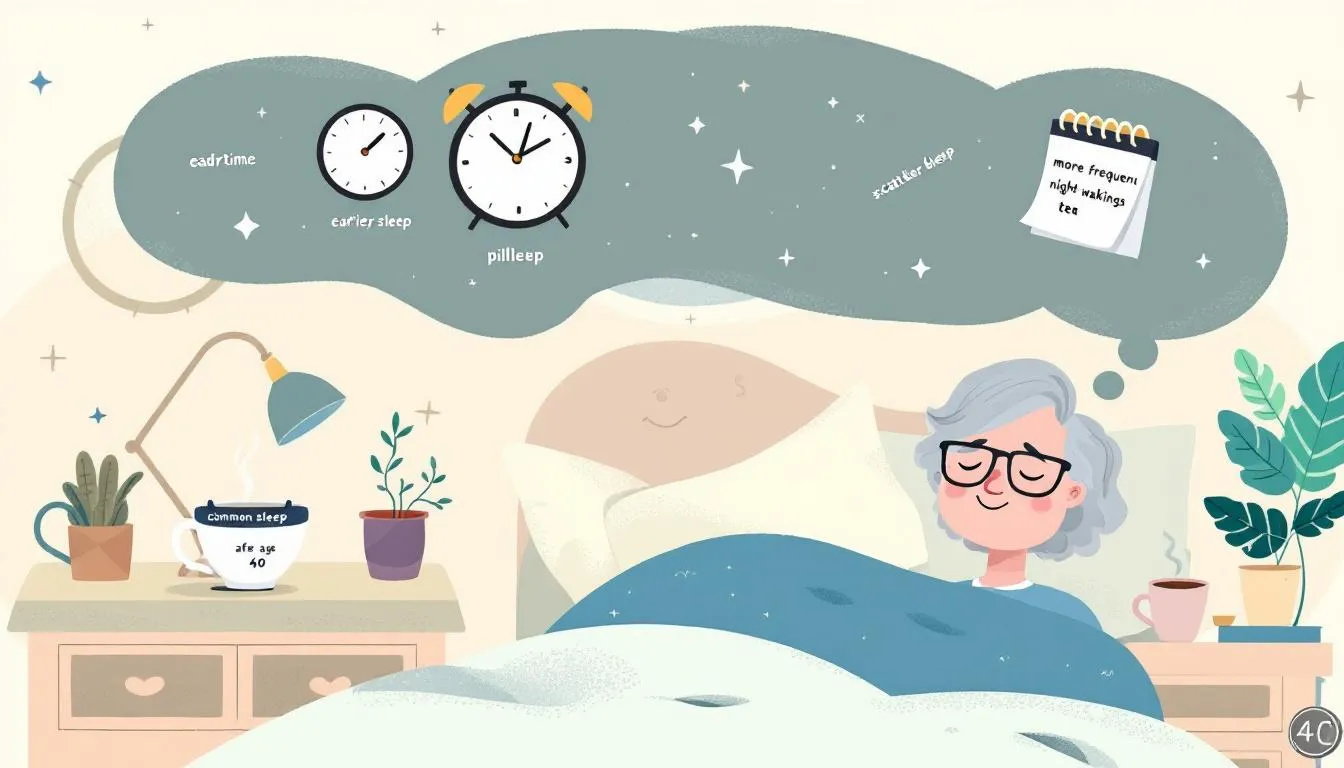
As we age, sleep architecture changes, resulting in lighter and more fragmented sleep. Older adults spend more time in light sleep stages (N1 and N2), while deep sleep (slow-wave sleep), essential for physical recovery and mental well-being, decreases. This shift often causes more sleep frequent awakenings and difficulty maintaining a night’s sleep, leading to questions about how much sleep is needed for optimal health.
These changes also cause older adults to feel sleepy earlier in the evening and wake up earlier in the morning, complicating their ability to get enough rest. Understanding how aging affect sleep helps address these issues and improve sleep quality.
Reduced Deep Sleep
A significant change in sleep with age is the reduction in deep sleep. Deep sleep, crucial for restorative stages of sleep, plays a vital role in physical recovery and mental well-being. As we grow older, deep sleep becomes less prevalent, hindering these restorative benefits and making it essential to ensure we get enough sleep.
This decline in deep sleep can lead to increased fatigue and reduced cognitive function in the brain, impacting daily life. Without sufficient deep sleep, older adults may be feeling tired and less mentally sharp throughout the day.
Changes in Sleep Cycle
Aging affects the overall sleep cycle, making it more challenging to fall asleep and stay asleep. Older adults often face increased difficulty in falling asleep and more nighttime awakenings. As sleep becomes lighter with age, the overall quality of rest diminishes, leading to a vicious cycle of poor sleep.
Frequent awakenings and the struggle of waking to return to sleep can lead to fragmented sleep patterns, significantly affecting well-being. Understanding these changes enables the development of strategies to mitigate their impact and promote better sleep health.
Common Sleep Problems After 40
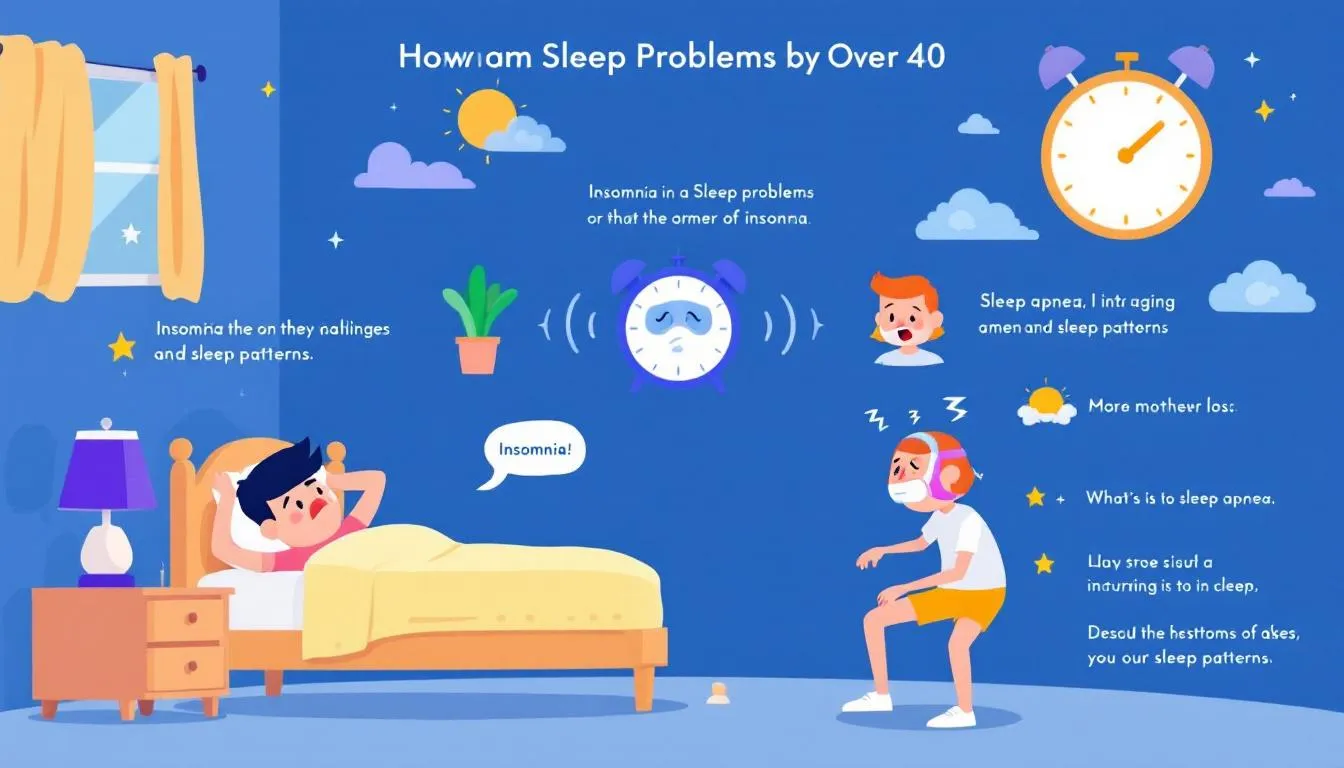
After 40, many individuals experience common sleep problems that interfere with daily functioning and quality of life. Insomnia and sleep apnea are two prevalent issues for middle-aged and older adults. These sleep disorders can cause excessive daytime sleepiness, making it difficult to stay alert and productive.
Chronic sleep problems can decrease sleep efficiency, leading to more frequent awakenings. Recognizing these common issues is the first step towards improving sleep health and achieving better sleep quality.
Insomnia
Insomnia becomes more common in middle age, often due to chronic stress and worry. Balancing work obligations and caregiving roles can lead to chronic sleep deprivation, exacerbating insomnia. Additionally, chronic pain conditions like arthritis can make it difficult to fall asleep and stay asleep.
Insomnia significantly impacts overall health and well-being, leading to fatigue, irritability, and reduced cognitive function. Addressing the underlying causes of insomnia is crucial for improving sleep quality and achieving restful sleep, which can also support a healthy immune system.
Sleep Apnea
Sleep apnea is common in older adults and can severely disrupt sleep patterns. This condition involves interruptions in breathing during sleep, leading to frequent awakenings and poor sleep quality. The likelihood of developing sleep apnea increases with age, and related health issues like obesity and cardiovascular disease can exacerbate it.
Individuals with sleep apnea often experience excessive daytime sleepiness and may struggle to stay awake and alert. Addressing sleep apnea through medical intervention and lifestyle changes can significantly improve sleep health.
Hormonal Changes and Their Impact
Hormonal changes with aging can profoundly impact sleep quality. For women, the transition to menopause brings significant hormonal fluctuations, particularly in estrogen and progesterone levels. Lower estrogen levels are linked to increased awakenings and sleep disturbances. Progesterone, which promotes sleep, also decreases during menopause, contributing to insomnia.
These hormonal changes can disrupt circadian rhythms, making it difficult to maintain a consistent sleep pattern. Understanding the role of melatonin in sleep regulation helps find effective strategies to manage sleep disturbances during this transitional period.
Lifestyle Factors Affecting Sleep
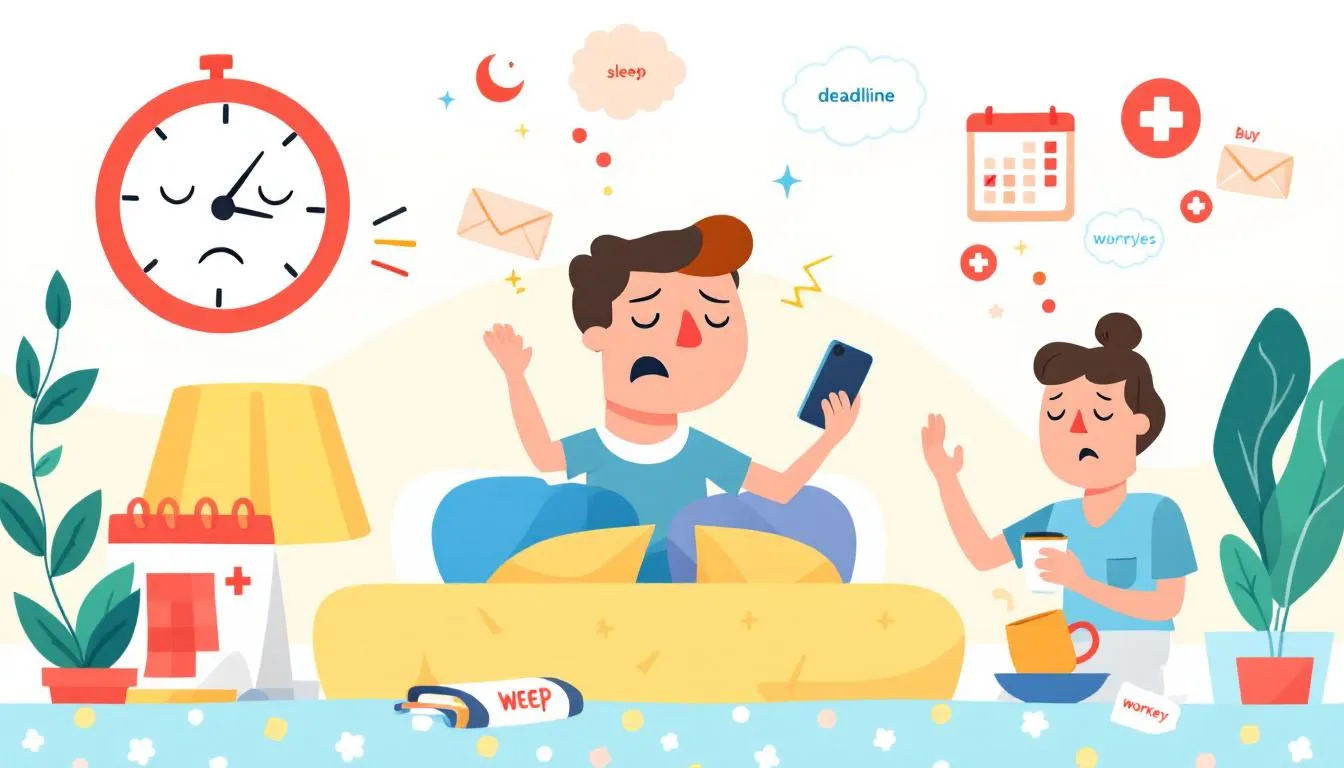
Lifestyle changes with aging can also contribute to sleep issues. Factors like decreased physical activity, work-related stress, and family responsibilities significantly impact sleep quality. Middle-aged individuals often face increased stress from career demands and personal life transitions, leading to insomnia.
Significant lifestyle changes like retirement and social isolation can disrupt sleep for older adults. Addressing these lifestyle factors is crucial for improving sleep health and achieving better sleep quality.
Increased Responsibilities
Increased responsibilities after 40, including career pressures and family obligations, can lead to irregular sleep patterns and increased stress. Balancing work and family roles often results in disrupted sleep and poor sleep quality.
Career pressures and family responsibilities contribute significantly to the sleep struggles faced by most people, especially older adults and older people, highlighting how these responsibilities affect their lives effectively.
Stress and Anxiety
Increased anxiety and stress can significantly disrupt the ability to fall asleep and stay asleep, leading to trouble falling asleep. Chronic stress can worsen sleep quality by making it harder to relax at night, leading to heightened anxiety.
Career demands and family obligations often increase stress, negatively impacting sleep quality and contributing to sleep disorders and sleep problem. Managing stress and anxiety is key to improving sleep health and achieving quality sleep.
Health Conditions That Disrupt Sleep

Various health conditions commonly disrupt sleep in older adults. These conditions include:
- Depression
- Anxiety
- Heart disease
- Diabetes
- Arthritis The presence of multiple health conditions in older adults correlates with a higher likelihood of poor sleep quality.
Certain medications prescribed to older adults can also contribute to sleep difficulties, causing unexpected interactions and side effects. Addressing these health conditions is crucial for improving sleep quality and overall well-being.
Cardiovascular Disease
Heart disease can significantly affect sleep quality, leading to issues like insomnia and frequent awakenings. Individuals with heart disease often experience disrupted sleep cycles, exacerbating their cardiovascular condition and potentially leading to various health problems.
Sleep disturbances contribute to a higher risk of cardiovascular complications, creating a cycle that impacts both sleep and heart health. Addressing sleep issues is crucial for managing heart disease and improving overall health.
Chronic Pain
Chronic conditions like arthritis can create persistent discomfort, making restful sleep difficult. The discomfort caused by arthritis and similar conditions can lead to frequent awakenings and prevent sustained sleep. Chronic pain significantly impacts sleep quality, especially as people age, highlighting the need for effective pain management strategies to improve sleep health.
Improving Sleep Habits After 40
Improving sleep habits is vital for achieving better sleep quality after 40. Key strategies include:
- Focusing on sleep hygiene
- Creating a comfortable sleep environment
- Engaging in soothing bedtime rituals such as a bath, music, or relaxation techniques to help wind down before bed.
Tips to improve sleep include:
- Using earplugs, a white noise machine, or separate bedrooms to block out noise that disrupts sleep.
- Maintaining a cool room temperature to enhance sleep comfort.
- Using the bedroom only for sleep and sex to promote better sleep hygiene.
Establishing a Bedtime Routine
A consistent sleep schedule helps regulate your body’s internal clock, making it easier to fall asleep and wake up naturally. Calming activities like reading or gentle stretching before bed can signal your body that it’s time for sleep time, promoting a more restful night.
Establishing a bedtime routine in a dark environment is key for improving sleep quality and achieving better sleep health through a systematic review, which can take an hour to implement effectively.
Diet and Nutrition
Diet and nutrition play a crucial role in influencing sleep quality, especially after 40. Eating a light evening snack can help avoid disruptions caused by a full stomach. Modifying dietary habits, such as reducing caffeine and alcohol, can significantly improve sleep patterns.
These dietary changes support better sleep health and overall well-being.
Exercise and Physical Activity
Regular physical activity helps regulate sleep patterns and improve overall sleep quality. Aerobic activity promotes more restful sleep in older adults, making it a normal part of a healthy lifestyle.
Engaging in activities like dancing, cycling, or swimming provides both physical exercise and social interaction, contributing to the benefit of better sleep health.
When to Seek Professional Help
If attempts to solve sleep problems fail, consider the following steps:
- Keep a sleep diary to provide valuable insights into your sleep patterns and issues.
- Consult a doctor, especially if insomnia significantly impacts your mood and health.
- A doctor might refer you to a sleep specialist or cognitive behavioral therapist.
Cognitive-behavioral therapy (CBT) is recommended for chronic insomnia and can help address the underlying causes of sleep problems. Using sleeping pills for insomnia can worsen the condition long term, so seeking professional help is crucial for effective treatment.
Summary
Understanding how sleep changes after 40 is essential for addressing sleep issues and improving overall well-being. By recognizing the impact of aging, lifestyle factors, hormonal changes, and health conditions on sleep, you can take proactive steps to enhance your sleep quality.
Implementing practical tips such as establishing a bedtime routine, adjusting your diet and nutrition, and engaging in regular physical activity can significantly improve your sleep health. Remember, seeking professional help when needed is crucial for managing chronic sleep problems and achieving better sleep.
Frequently Asked Questions
Why does sleep quality decline after 40?
Sleep quality often declines after 40 because of changes in sleep architecture, hormonal fluctuations, and rising stress levels. These factors collectively contribute to a less restful night's sleep, impacting overall well-being.
What are common sleep problems faced by individuals over 40?
Individuals over 40 often experience insomnia, sleep apnea, and sleep disruptions due to chronic pain or underlying health conditions. Addressing these issues is crucial for improving overall sleep quality and well-being.
How can I improve my sleep habits after 40?
To enhance your sleep habits after 40, establish a consistent bedtime routine, make mindful dietary choices, and incorporate regular physical activity into your lifestyle. These adjustments can significantly improve your sleep quality.
When should I seek professional help for sleep issues?
You should seek professional help for sleep issues when they significantly impact your mood, health, or daily functioning. Consulting a sleep specialist or cognitive-behavioral therapist can lead to effective treatment options.
How do hormonal changes during menopause affect sleep?
Hormonal changes during menopause significantly disrupt sleep patterns due to decreasing estrogen and progesterone levels, resulting in more frequent awakenings and overall sleep disturbances. It’s essential to address these changes to improve sleep quality during this transition.
Try Lifeguard Sleep — your first month free
Nightly, doctor-formulated sleep support designed for healthy ageing. Start your first month free and pay only shipping.
Claim Your First Free MonthFirst month free offer applies to eligible subscription orders. Shipping charges apply. Always read the label and use only as directed.
Related guide: Sleep After 40: Why Rest Changes and How to Support Better Nights