
Difference Between Supplement and Vitamin Guide 2025
Vitamins and supplements are everywhere in 2025, but do you really know the difference between supplement and vitamin? As health awareness grows, many people still find themselves confused about what sets these products apart. This uncertainty can lead to missed health opportunities or unnecessary expenses.
Understanding the difference between supplement and vitamin is crucial for making smart choices that optimize your wellness. When you know what your body truly needs, you can avoid common pitfalls and invest in products that actually support your goals.
In this comprehensive guide, you will discover the difference between supplement and vitamin, learn how each supports your health, and get practical advice on choosing what is right for you. We will cover definitions, categories, benefits, risks, regulations, and expert tips to empower your decisions.
Ready to clear up the confusion? Read on to become an informed, confident consumer in the world of vitamins and supplements.
What Are Vitamins?
Vitamins are at the heart of the difference between supplement and vitamin, serving as foundational nutrients your body cannot function without. These organic compounds are required in small amounts but play massive roles in keeping you healthy. Unlike some nutrients, your body either cannot make enough vitamins or cannot produce them at all, so you must get them from your diet.
Vitamins come in two main categories: water-soluble and fat-soluble. Water-soluble vitamins, like the B-complex group and vitamin C, dissolve in water and are not stored in large amounts. Fat-soluble vitamins, including A, D, E, and K, are stored in body fat and the liver, making their excess intake more risky. Each vitamin has unique tasks, such as supporting metabolism, immune function, and the prevention of deficiency diseases.
For example, vitamin C is key for immune defense and wound healing, while vitamin D is crucial for bone strength. The difference between supplement and vitamin often confuses people because vitamins are sometimes grouped with medicines. To clarify this, you can explore Medicine vs. Vitamins Explained for a detailed comparison.
On a global scale, vitamin deficiencies remain a significant public health issue. According to the World Health Organization, over two billion people worldwide suffer from micronutrient deficiencies, with vitamins A, D, and B12 among the most commonly lacking. This fact underscores why vitamins are indispensable and why understanding their role is central to the difference between supplement and vitamin.

Definition and Biological Role
Vitamins are organic molecules required in minute amounts for the body to maintain normal growth, metabolism, and overall health. They act as coenzymes, helping enzymes trigger chemical reactions vital to life. The difference between supplement and vitamin becomes evident here: vitamins are specific, essential nutrients, while supplements can be a broader category.
There are two main classes:
- Water-soluble vitamins: B-complex (B1, B2, B3, B5, B6, B7, B9, B12) and vitamin C. These cannot be stored extensively and must be replenished regularly.
- Fat-soluble vitamins: A, D, E, K. These are stored in fatty tissues and the liver, so excessive intake can lead to toxicity.
Vitamins must primarily be acquired from food, as the body’s ability to synthesize them is extremely limited. They support immune defense, energy metabolism, and the prevention of diseases like scurvy (vitamin C deficiency) and rickets (vitamin D deficiency). This unique role is central to the difference between supplement and vitamin, as vitamins are absolutely necessary for survival.
Types of Vitamins and Food Sources
There are 13 essential vitamins, each with specific functions and optimal food sources. Here’s a summary in table form:
| Vitamin | Key Role | Main Food Sources |
|---|---|---|
| A | Vision, immunity | Carrots, spinach, dairy |
| B1 (Thiamine) | Energy metabolism | Whole grains, pork |
| B2 (Riboflavin) | Energy, skin health | Dairy, eggs, leafy greens |
| B3 (Niacin) | Digestion, nerve function | Poultry, fish, nuts |
| B5 (Pantothenic) | Hormone production | Avocados, broccoli, eggs |
| B6 (Pyridoxine) | Brain development | Bananas, chickpeas, fish |
| B7 (Biotin) | Metabolism, hair health | Eggs, nuts, seeds |
| B9 (Folate) | Cell growth, pregnancy | Leafy greens, beans, citrus |
| B12 (Cobalamin) | Nerve, red blood cells | Meat, dairy, fish |
| C | Immunity, antioxidant | Citrus, berries, peppers |
| D | Bone health, immunity | Sunlight, fatty fish, eggs |
| E | Antioxidant, skin health | Nuts, seeds, vegetable oils |
| K | Blood clotting, bones | Kale, spinach, broccoli |
Modern diets, especially those high in processed foods, can reduce vitamin intake and lead to deficiencies. The difference between supplement and vitamin is often highlighted in how people try to compensate for poor dietary habits with supplements. However, not all foods provide vitamins with equal efficiency, known as bioavailability. For instance, vitamin B12 from animal sources is more easily absorbed than from plant-based foods.
Common Vitamin Deficiencies and Symptoms
Despite increased health awareness, vitamin deficiencies are still frequent worldwide. The most common deficiencies include vitamin D, B12, A, and C. Each presents specific symptoms and risks:
- Vitamin D: Fatigue, bone pain, muscle weakness; increased risk in older adults and those living in northern climates.
- Vitamin B12: Anemia, nerve problems, cognitive changes; often seen in vegetarians and older adults.
- Vitamin A: Night blindness, increased infection risk; prevalent in developing regions.
- Vitamin C: Fatigue, gum disease, slow wound healing; rare in developed countries but still possible.
Deficiency rates differ by region, with vitamin D insufficiency affecting up to 40 percent of adults in northern countries. The difference between supplement and vitamin becomes critical here, as targeted vitamin supplementation can address these gaps, but only when a true deficiency is present.
Recognizing symptoms early is essential for maintaining health. This awareness helps people make informed decisions about their nutrition and highlights the real-world impact of understanding the difference between supplement and vitamin.
What Are Supplements?
Supplements have become a staple in many people's routines, but understanding what they truly are is essential, especially when considering the difference between supplement and vitamin. Supplements are products designed to add nutritional value to the diet. Unlike medicines, they are not intended to cure or treat diseases, but to support overall health.
Supplements come in various forms, including pills, capsules, powders, gummies, and liquids. They can be found everywhere, from pharmacies to supermarkets, and their popularity continues to rise. Regulation of supplements varies by country. In the United States, the FDA oversees supplement safety, but these products are not regulated as strictly as pharmaceuticals. Most supplements are sold without pre-approval, which makes understanding their quality and efficacy even more important. For a deeper exploration of when and why supplements may be necessary, see To Supplement or Not to Supplement.
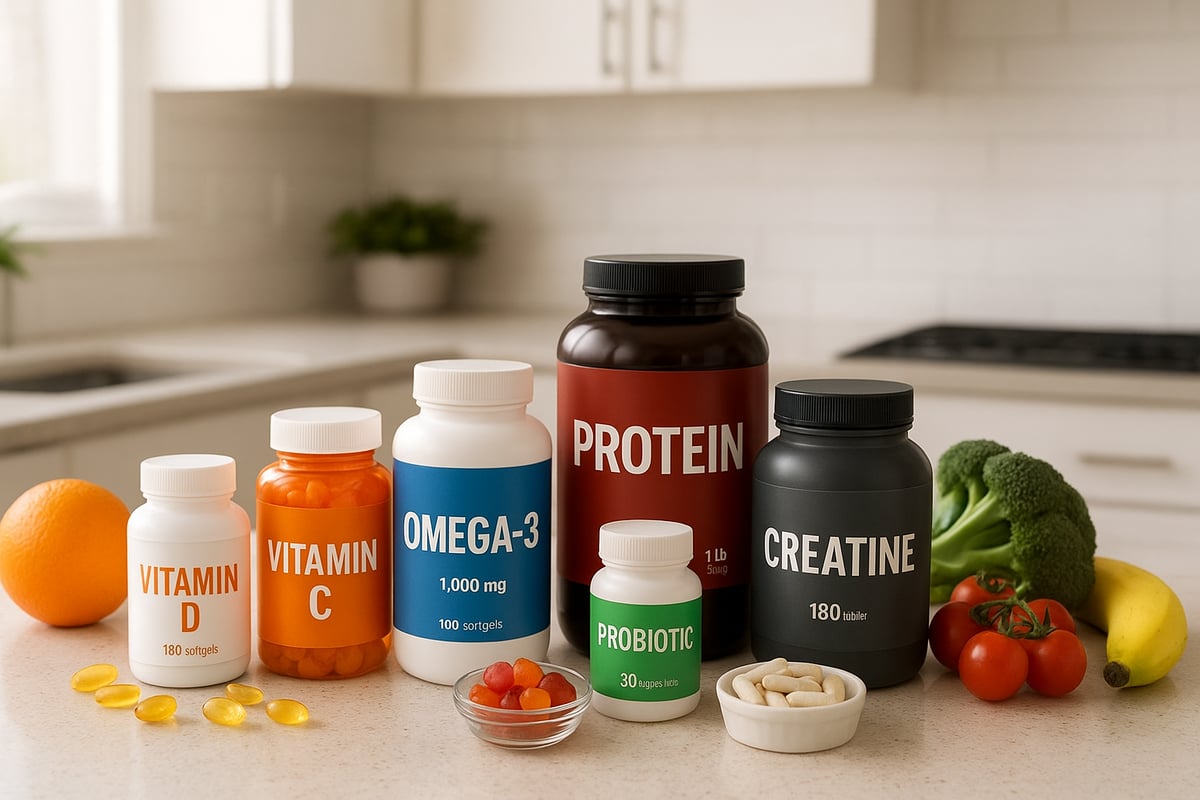
Supplements are a broad category. While vitamins are one type, the difference between supplement and vitamin is that supplements include a wide range of substances. Some common examples are omega-3 fish oil, protein powders, and probiotics. These products are often used to fill nutritional gaps or support specific health needs, like immunity or muscle recovery.
Definition and Regulatory Overview
Supplements are defined as products intended to supplement the diet. They include not only vitamins, but also minerals, herbs, amino acids, and other substances. This is a key point in understanding the difference between supplement and vitamin. Supplements aim to support health by providing nutrients that might be missing from regular meals.
These products are available in a range of forms, making them easy to incorporate into various lifestyles. Pills and capsules are the most common, but powders for mixing into drinks and chewable gummies are also popular choices.
Regulation is an important aspect to consider. In many countries, including the United States, supplements are regulated under specific guidelines that are less strict than those for prescription medications. The FDA monitors supplement safety, but companies do not have to prove effectiveness before selling their products. This means consumers must be cautious and informed when choosing supplements.
Supplements often include labels with recommended use, but the actual content and quality can vary. Because of this, understanding the difference between supplement and vitamin can help guide smarter decisions about which products to choose and why.
Categories of Supplements Beyond Vitamins
The supplement market goes far beyond just vitamins. One of the core aspects of the difference between supplement and vitamin is that supplements include a diverse range of products. These categories include minerals like magnesium and calcium, botanicals such as echinacea and turmeric, amino acids like L-theanine, probiotics for gut health, and specialty compounds such as antioxidants.
Each category serves different health purposes. For example, minerals are essential for muscle and nerve function, while botanicals may be used for immune support or relaxation. Amino acids play roles in muscle repair and energy, and probiotics help maintain healthy digestion.
Supplement combinations are common, blending several ingredients to target specific wellness goals. Multivitamins combine various vitamins and minerals, while proprietary blends may include herbs, amino acids, and other nutrients. The difference between supplement and vitamin becomes especially clear in these products, as supplements can be tailored for outcomes like improved sleep, joint support, or athletic recovery.
The global supplement market has experienced significant growth, with more people seeking personalized health solutions. As new ingredients and formulations appear, understanding the categories helps consumers navigate their options and make informed choices.
Reasons People Use Supplements
People turn to supplements for many reasons, and these motivations highlight the difference between supplement and vitamin. One major reason is to fill nutritional gaps that may exist due to dietary restrictions, food allergies, or modern eating habits. For example, someone who avoids dairy might use calcium supplements to maintain bone health.
Age also plays a role. Older adults often require more vitamin D and B12, while athletes may seek amino acids or protein powders to enhance performance and recovery. Chronic health conditions, such as digestive disorders, can affect nutrient absorption, prompting the use of targeted supplements.
Wellness trends and lifestyle choices influence supplement use as well. Many individuals take probiotics for gut health, herbal blends for stress relief, or specialty compounds for cognitive support. Surveys show that convenience, perceived benefits, and recommendations from health professionals are top factors driving supplement purchases.
Ultimately, understanding the difference between supplement and vitamin helps consumers select products that truly address their unique health needs, rather than following trends or marketing claims.
Key Differences Between Supplements and Vitamins
Understanding the key differences between supplement and vitamin options is essential for making informed health decisions. While both are widely available, their roles, regulations, and benefits are not identical. Let's break down what truly sets them apart.
Vitamins as a Subset of Supplements
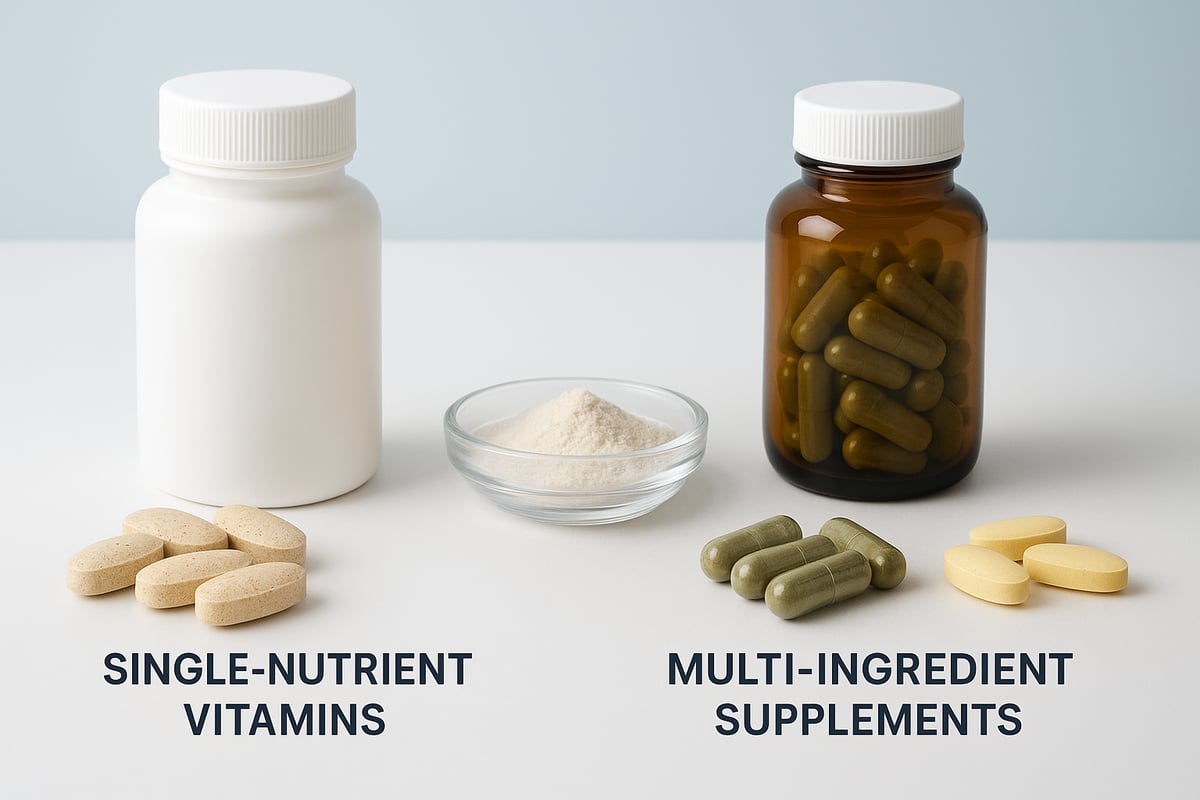
The most fundamental difference between supplement and vitamin products is their relationship. All vitamins are considered supplements, but not all supplements are vitamins. Vitamins are a specific group of essential micronutrients, while supplements include a broad range of products such as minerals, botanicals, amino acids, and probiotics.
Think of vitamins as a category within the much larger supplement market. For example, taking a vitamin C tablet addresses a specific micronutrient need, but an herbal echinacea supplement targets a broader wellness goal. This distinction is central to understanding the difference between supplement and vitamin products.
Composition and Intended Use
The composition and intended use highlight another important difference between supplement and vitamin offerings. Vitamins are single, essential nutrients, each with a clearly defined role in preventing deficiency diseases. Supplements, on the other hand, may contain multiple ingredients, including blends designed for energy, sleep, or gut health.
Here’s a quick comparison:
| Feature | Vitamins | Supplements |
|---|---|---|
| Primary Ingredients | Single essential micronutrients | Vitamins, minerals, botanicals, other |
| Intended Use | Prevent deficiency, support normal health | Address specific health or lifestyle goals |
A multivitamin contains several vitamins, while a proprietary supplement blend might combine herbs, amino acids, and other compounds. This illustrates the practical difference between supplement and vitamin products in daily life.
Regulation and Quality Control
Regulation is another area where the difference between supplement and vitamin products becomes clear. Vitamins often have established recommended daily values and undergo more standardized quality checks. Supplements, especially those with proprietary blends, may have variable dosages and less consistency.
In the United States, the regulatory framework for supplements is shaped by the Dietary Supplement Health and Education Act of 1994 overview, which offers less oversight compared to pharmaceuticals. This means that vitamins, as essential nutrients, are sometimes more tightly controlled than broader supplement products.
Health Impact and Evidence Base
The health impact and supporting evidence are important aspects of the difference between supplement and vitamin products. Vitamins have established roles in preventing deficiency diseases, such as vitamin D for bone health or vitamin C for immunity, with clear clinical evidence.
Supplements, however, offer a wide range of claims. Some, like omega-3 fish oil, have robust scientific backing, while others, such as herbal blends, have mixed or limited evidence. Understanding these nuances helps clarify the difference between supplement and vitamin choices when considering health benefits.
Safety and Risk Considerations
Safety is a critical factor in the difference between supplement and vitamin products. Vitamins are generally safe at recommended levels, though excess intake of fat-soluble types (A, D, E, K) can lead to toxicity. Supplements, especially those with multiple ingredients, carry risks of contamination, drug interactions, and unproven claims.
Adverse events from supplement use are reported more frequently than from isolated vitamins. This highlights the importance of choosing products carefully and consulting healthcare professionals to minimize risks and understand the difference between supplement and vitamin safety profiles.
Consumer Perceptions and Marketing
Consumer perceptions and marketing strategies further illustrate the difference between supplement and vitamin products. Vitamins are marketed as essential for everyday health, emphasizing their role in basic nutrition. Supplements, in contrast, are often promoted for targeted outcomes such as energy, beauty, or longevity.
Marketing trends, celebrity endorsements, and the popularity of wellness movements influence how consumers view both categories. For example, collagen supplements are advertised for skin health, while vitamins are presented as daily essentials. Recognizing these tactics can help you see through the difference between supplement and vitamin marketing.
Cost and Accessibility
The final key difference between supplement and vitamin products lies in their cost and accessibility. Vitamins are widely available and often affordable, making them accessible to most consumers. Supplements, especially those with premium blends or specialty ingredients, can be significantly more expensive.
Market data shows a wide range in pricing and spending patterns, reflecting the diversity in supplement options. Understanding this difference between supplement and vitamin products can help you make cost-effective choices that suit your needs and budget.
Benefits and Risks of Vitamins and Supplements
Understanding the benefits and risks is essential when exploring the difference between supplement and vitamin use. Both play important roles in supporting health, but their impacts, safety, and suitability can vary widely depending on individual needs and product quality.
Health Benefits: What Science Says
The primary health benefit of vitamins is the prevention and correction of nutrient deficiencies. Essential vitamins, such as vitamin D, B12, and folic acid, are critical for metabolic function, immune support, and development. Supplements, as a broader category, may provide targeted support for joint health, cardiovascular function, cognition, and athletic performance.
For example, folic acid helps prevent neural tube defects during pregnancy, and omega-3 supplements support heart health. Scientific reviews show that while vitamin supplementation effectively addresses deficiencies, the benefits of other supplements depend on formulation and individual health status.
Understanding the difference between supplement and vitamin is vital, as not all supplements deliver proven results. Some, like probiotics or herbal blends, require more research. For a deeper dive into the health advantages of specific supplement types, see the Health Benefits of Nutraceuticals article.
Potential Risks and Side Effects
Despite their benefits, both vitamins and supplements carry risks. Overconsumption of fat-soluble vitamins (A, D, E, and K) can lead to toxicity, causing symptoms like nausea, organ damage, or neurological issues. The difference between supplement and vitamin safety often lies in dosage and ingredient transparency.
Supplements may contain unlisted ingredients, contaminants, or interact with prescription medications. For instance, St. John's Wort can reduce the effectiveness of certain antidepressants. Reports indicate that adverse events from supplement use are growing, highlighting the need for consumer vigilance.
Who May Benefit Most
Certain groups benefit more from vitamins and supplements due to unique nutritional needs. Older adults often require extra vitamin D and calcium for bone health. Pregnant women need folic acid and iron, while vegans might rely on B12 supplements. The difference between supplement and vitamin becomes especially relevant for these populations, as targeted use can fill dietary gaps that food alone cannot address.
Athletes may benefit from additional B vitamins and protein supplements to support energy and recovery. People with malabsorption syndromes or chronic illnesses may also require tailored supplementation.
Who Should Be Cautious or Avoid
Not everyone should use supplements freely. Children, individuals with chronic diseases, and those taking multiple medications should consult healthcare providers before starting any regimen. The difference between supplement and vitamin safety is crucial here, as some supplements can cause harm if misused.
For example, iron supplements may cause toxicity in people without a deficiency. People with kidney or liver conditions should be particularly careful, as excess nutrients can accumulate and worsen health issues.
Trends in Supplement and Vitamin Use (2025)
The landscape of vitamins and supplements is evolving quickly. In 2025, there is a surge in personalized nutrition, plant-based supplements, and DNA-driven recommendations. More consumers are seeking clean-label, sustainably sourced products.
Market data highlights that the difference between supplement and vitamin products is blurring, with multi-ingredient formulas and nutraceuticals gaining popularity. Transparency, third-party testing, and evidence-based claims are expected to shape consumer choices moving forward.
How to Choose the Right Supplement or Vitamin
Selecting the best product for your health goals can be overwhelming, especially with so many options on the market. To truly grasp the difference between supplement and vitamin choices, focus on a step-by-step approach that prioritizes your individual needs, product safety, and credible information.
Assessing Your Individual Needs
Before making any purchase, consider your personal health status, age, dietary habits, and lifestyle. The difference between supplement and vitamin requirements can vary based on factors like activity level, medical conditions, or dietary restrictions.
For example, athletes might need more B vitamins to support energy metabolism, while older adults could require higher amounts of vitamin D. Consulting recent blood work or discussing your health with a provider can help determine what you truly need, preventing unnecessary or redundant supplementation.
Reading Labels and Understanding Ingredients
Understanding the difference between supplement and vitamin products often begins with reading the label. Look for active ingredients, dosages, and any added fillers or artificial colors. Third-party certifications, like USP or NSF, indicate higher quality and safety standards.
| Label Element | What to Look For |
|---|---|
| Active Ingredients | Clear, listed amounts |
| Dosage | Matches recommended values |
| Certifications | USP, NSF, Informed-Choice |
| Expiry Date | Within safe consumption range |
Mislabeled products are not uncommon, so always double-check the details to ensure you are getting what you expect.
Evaluating Quality and Safety
Quality control is crucial when navigating the difference between supplement and vitamin options. Trusted brands are transparent about sourcing, batch testing, and ingredient purity. Avoid products with proprietary blends that do not disclose exact amounts.
Recent initiatives, such as CVS's third-party testing policy for supplements, can help consumers identify safer products. Look for brands that follow similar standards, and be cautious of unrealistic claims or products lacking clear contact information.
Consulting Healthcare Professionals
Consulting a healthcare provider is a vital step in clarifying the difference between supplement and vitamin recommendations for your unique health profile. Doctors, dietitians, and pharmacists can interpret lab results, assess medication interactions, and suggest evidence-based options.
This guidance is especially important if you have chronic conditions, take multiple medications, or are considering high-dose or specialty supplements. Personalized advice reduces the risk of adverse effects and ensures your supplementation aligns with your overall health plan.
Why Evidence-Based Supplements Matter for Healthy Ageing
As you age, the difference between supplement and vitamin choices can affect your wellbeing. Evidence-based products, such as those highlighted by Lifeguard Health, are formulated to address nutritional gaps that may arise from dietary changes or increased nutrient needs.

Lifeguard Health, backed by Dr. Roderick Mulgan, combines clinical expertise with natural ingredients to support immunity, sleep, and vitality in adults over 45. Their educational resources empower users to make informed decisions, underscoring the value of scientifically validated supplements for maintaining independence and health.
Avoiding Common Pitfalls and Myths
Understanding the difference between supplement and vitamin marketing claims is essential for safe decision-making. Watch out for these common myths:
- All supplements are safe for everyone.
- Natural ingredients cannot cause harm.
- Taking higher doses always improves results.
Critical thinking and skepticism help you avoid risks like megadosing or dangerous interactions. Always read scientific evidence and consult a professional before starting new products.
Staying Current With Research and Recommendations
The difference between supplement and vitamin trends evolves rapidly, influenced by new research and changing guidelines. Stay updated by following reputable sources such as government agencies, scientific journals, and certified health organizations.
For instance, vitamin D recommendations have changed over the years as more evidence emerged. Ongoing education ensures your supplement choices remain effective, safe, and evidence-based.
Vitamins vs. Supplements FAQ (Frequently Asked Questions)
In this FAQ, we address the most common questions about the difference between supplement and vitamin use in 2025. Whether you are new to dietary supplements or seeking clarity on vitamins, these answers will help guide your decisions.
Are all vitamins supplements? Are all supplements vitamins?
No, not all supplements are vitamins, but all vitamins can be considered supplements. Vitamins are a specific group of organic compounds essential for health, while supplements include a broad range of products such as minerals, herbs, amino acids, and specialty nutraceuticals. Understanding the difference between supplement and vitamin is crucial because vitamins are just one category within the much larger world of supplements. For more on how supplements can go beyond basic vitamins, see Why Nutraceuticals Matter.
Can I get all the nutrients I need from food alone?
Ideally, a balanced diet should provide all the nutrients your body requires. However, due to factors like processed foods, dietary restrictions, and lifestyle, some people may struggle to meet recommended intakes. The difference between supplement and vitamin becomes important here, as supplements can fill dietary gaps, but should not replace whole foods. In certain populations, targeted vitamins or other supplements may be necessary to achieve optimal health.
How do I know if I need a supplement or just a vitamin?
The best approach is to assess your diet, lifestyle, and any symptoms or health conditions. If you have a diagnosed deficiency, such as low vitamin D or B12, a specific vitamin supplement may be recommended. For broader needs, such as joint support or immune health, a supplement containing multiple ingredients may be appropriate. The difference between supplement and vitamin helps you decide whether to target a single nutrient or a combination formula. Consulting a healthcare professional and possibly getting lab tests can guide your choices.
Are supplements regulated and safe?
Supplements, including vitamins, are regulated differently from pharmaceuticals. In many countries, vitamins have established daily values and are subject to more oversight, while other supplements may have variable quality and less stringent regulation. Understanding the difference between supplement and vitamin is important for safety, as supplements may contain proprietary blends and unproven ingredients. Always choose reputable brands and check for third-party certifications.
What are the most important vitamins for adults over 45?
For adults over 45, key vitamins include vitamin D (for bone and immune health), vitamin B12 (for nerve function), and calcium (for bone density). Vitamin C and vitamin E also support immune function and antioxidant defense. Individual needs may vary, so it is wise to consult with a healthcare provider for personalized recommendations.
Can supplements interact with medications?
Yes, both vitamins and other supplements can interact with prescription or over-the-counter medications. For example, some herbal supplements may affect blood pressure or blood thinning, and certain vitamins can impact the effectiveness of medications. The difference between supplement and vitamin is relevant here, as complex supplements often have more potential for interactions. Always inform your healthcare provider about any supplements you are taking.
How do I choose a high-quality supplement?
Look for products from reputable companies that provide transparent labeling, batch testing, and third-party certifications such as USP or NSF. Check for clear ingredient lists, avoid supplements with proprietary blends that do not specify dosages, and be wary of products with unrealistic health claims. Quality assurance is essential to minimize risks and maximize benefits.
What are the latest trends in vitamins and supplements for 2025?
The supplement industry is rapidly evolving, with trends like personalized nutrition, plant-based options, and sustainable packaging gaining momentum. Consumers are increasingly interested in evidence-based, multi-ingredient formulas that target specific wellness goals. To explore market growth and consumer trends, see these recent trends in vitamin and supplement consumption. Understanding the difference between supplement and vitamin can help you navigate these innovations wisely.
Do I need both a multivitamin and other supplements?
A well-formulated multivitamin can cover most basic micronutrient needs, but some individuals may require additional specific supplements depending on health goals, deficiencies, or medical advice. For example, athletes might need extra protein or magnesium, while someone with low iron may need a targeted supplement. Assess your needs with a professional before combining products.
Should I take supplements daily or only when needed?
Your regimen should be tailored to your personal health status, goals, and medical advice. Some vitamins, like vitamin D or B12, may need daily supplementation if you are deficient, while others are best taken only when specific needs arise. The difference between supplement and vitamin means that dosing and frequency can vary widely, so individualized guidance is best.
Now that you understand the key differences between vitamins and supplements, you can make smarter choices for your health—especially as you navigate life after 45. With so much information out there, it helps to know what your body truly needs to age well and stay vibrant. If you’re curious about which vitamins or supplements could support your wellbeing, why not take the next step? You can get personalized insights tailored to your goals and lifestyle. Discover your healthy ageing profile and feel confident about your health decisions going forward.