
9 Essential Vitamins Needed for the Body in 2026
In 2026, the pursuit of lifelong wellness is more prominent than ever, and understanding the vitamins needed for the body is crucial for anyone aiming to thrive.
Many individuals do not realize how these essential nutrients support energy, immunity, and everyday performance.
New scientific findings reveal that the right vitamins can slow aging, prevent diseases, and boost vitality.
Curious about which vitamins are most important and how to meet your needs?
This article will guide you through the 9 essential vitamins needed for the body in 2026, explain their unique roles, and share practical tips to help you reach your health goals.
Why Vitamins Are Crucial for Health in 2026
In 2026, the awareness of nutrition's role in health is at an all-time high. Yet, many still underestimate the impact of the vitamins needed for the body. As science evolves, so does our understanding of how these nutrients shape well-being, disease resistance, and longevity.

The Modern Landscape: Lifestyle, Environment, and Diet
Today’s fast-paced lifestyles, processed food consumption, and increasing exposure to environmental stressors have shifted the landscape of nutrition. The vitamins needed for the body are often lacking due to reliance on convenience foods and limited fresh produce. Urban living and indoor work also reduce sunlight exposure, impacting vitamin D synthesis.
Diet trends, such as plant-based or restrictive diets, can further limit key nutrients. Environmental changes, including soil depletion and pollution, may reduce the vitamin content of food. These factors make it more challenging to obtain all the essential vitamins needed for the body through diet alone.
Aging and Nutrient Absorption
As we age, our bodies face new challenges in absorbing and metabolizing the vitamins needed for the body. Digestive changes, decreased stomach acid, and interactions with medications can all impair nutrient uptake. Older adults are particularly at risk for deficiencies in vitamins B12, D, and K, which are critical for maintaining energy, immunity, and bone health.
Regular health checks become vital for identifying gaps in the vitamins needed for the body. Addressing these gaps can help support cognitive function, mobility, and overall quality of life as we grow older.
Global Deficiency Data and Health Consequences
Vitamin deficiencies remain a global health concern, affecting both developed and developing nations. According to recent data on nutrient deficiencies, millions of people worldwide do not meet the recommended intake for several key vitamins. Common deficiencies include vitamin D, B12, and folate.
These shortfalls in the vitamins needed for the body can lead to fatigue, weakened immunity, poor bone health, and increased risk of chronic diseases. In severe cases, deficiencies may cause irreversible neurological or developmental damage, especially among vulnerable populations.
Chronic Disease Prevention, Population Outcomes, and Research
Research consistently links adequate intake of the vitamins needed for the body to lower rates of heart disease, diabetes, osteoporosis, and certain cancers. Population studies show that targeted supplementation and food fortification have improved outcomes in communities at risk.
Clinical trials in the past decade have demonstrated how vitamin D supplementation, for example, can reduce respiratory infections and support immune health. New findings also highlight the importance of vitamin synergy, where the combined effect of multiple vitamins needed for the body exceeds their individual contributions.
Personalized Nutrition and Regular Assessments
The future of nutrition is personal. Advances in genetic testing and digital health tools now allow for tailored plans to meet the unique requirements for the vitamins needed for the body. Regular nutrient testing and professional guidance help ensure optimal levels, reducing the risk of both deficiency and excess.
Healthcare professionals recommend annual assessments, especially for older adults and those with chronic conditions. This proactive approach supports long-term wellness and empowers individuals to make informed decisions about the vitamins needed for the body.
9 Essential Vitamins Needed for the Body in 2026
Ensuring you get the right balance of vitamins needed for the body is more important than ever in 2026. Our fast-paced lifestyles, changing diets, and environmental factors make it crucial to understand which nutrients matter most. This listicle breaks down the nine essential vitamins needed for the body, selected based on their critical roles in energy, immunity, prevention of chronic disease, and overall wellness. Each vitamin is backed by the latest research and expert recommendations.
If you want to dive deeper into the science behind these nutrients, you can explore this guide on essential vitamins for wellness for additional insights.
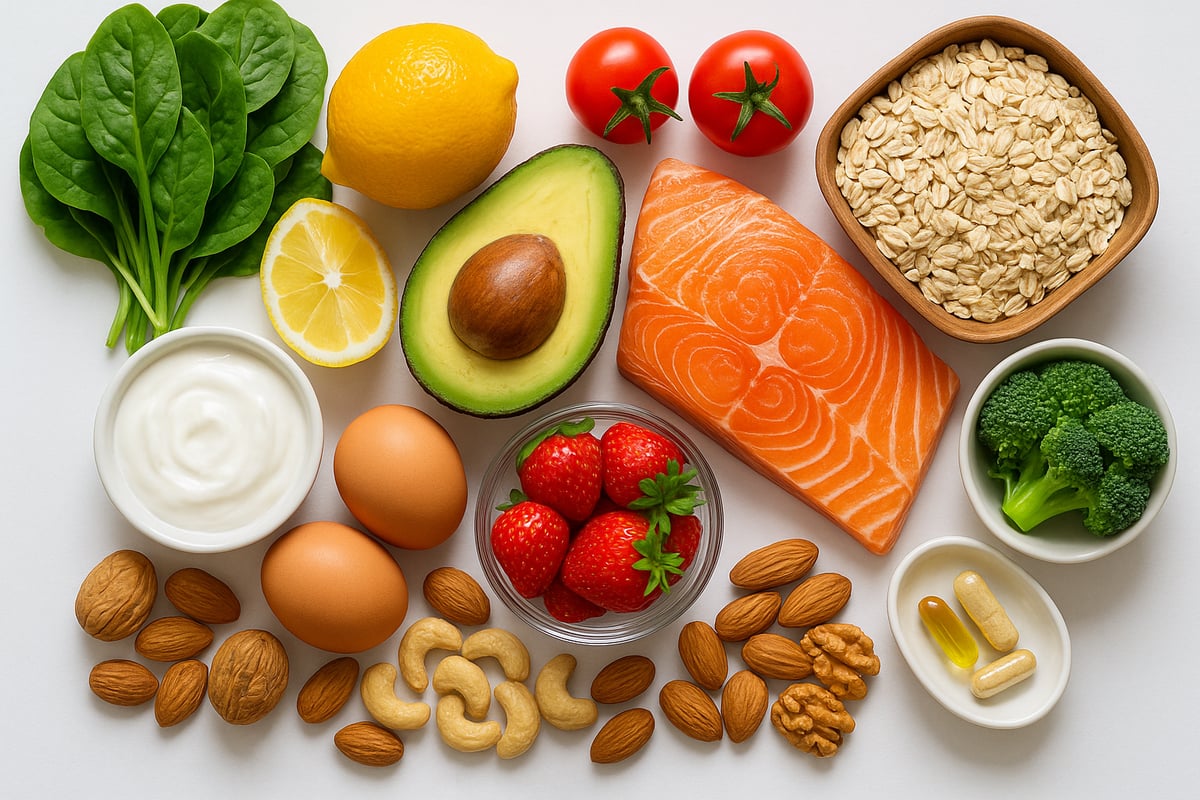
1. Vitamin D: The Immunity and Bone Health Powerhouse
Vitamin D tops the list of vitamins needed for the body in 2026 due to its dual role in calcium absorption and immune system regulation. It helps build and maintain strong bones by enabling your body to use calcium from your diet efficiently. Vitamin D also modulates immune responses, supporting your body’s defense against infections.
You can get vitamin D from sunlight exposure, fortified foods like milk and cereals, and dietary supplements. However, deficiency remains common, especially in older adults, people with limited sun exposure, and those with darker skin. Signs of low vitamin D include bone pain, muscle weakness, and increased risk of infections.
Recent studies have linked vitamin D status with outcomes in respiratory illnesses, including COVID-19. The recommended daily intake for most adults ranges from 600 to 800 IU, but higher amounts may be necessary for those with low blood levels. Always aim to stay within safe limits, as excessive intake can cause toxicity.
Older adults, people living in northern climates, and individuals with certain health conditions should regularly monitor their vitamin D levels to ensure they are meeting the vitamins needed for the body.
2. Vitamin B12: Vital for Energy and Nerve Function
Vitamin B12 is one of the critical vitamins needed for the body, supporting red blood cell formation and neurological function. It helps prevent anemia, keeps nerve cells healthy, and plays a role in DNA synthesis.
As people age, their ability to absorb B12 from food decreases, leading to a higher risk of deficiency in adults over 45. Main dietary sources include animal products like meat, fish, eggs, and dairy, as well as fortified plant-based foods.
Deficiency may cause fatigue, memory loss, and neuropathy. Studies show up to 20% of older adults may have low B12 levels. Supplementation is available in various forms, including tablets, sublingual drops, and injections, which differ in bioavailability.
Certain medications and gastrointestinal conditions can impact absorption, making regular testing vital for those at risk. Ensuring adequate B12 intake is essential among the vitamins needed for the body, especially in aging populations.
3. Vitamin C: Antioxidant and Immune Defender
Vitamin C stands out among the vitamins needed for the body due to its potent antioxidant properties. It neutralizes free radicals, reducing oxidative stress and helping to protect cells from damage.
Vitamin C is necessary for collagen synthesis, which supports skin health, wound healing, and connective tissue strength. It also boosts immune function and may reduce the duration and severity of common colds.
Dietary sources include citrus fruits, strawberries, bell peppers, and leafy greens. Data indicates that higher vitamin C intake can lower the risk of chronic diseases like heart disease and certain cancers.
The recommended daily intake for adults is 75–90 mg, with an upper limit of 2000 mg to avoid digestive issues. Smokers and older adults often require higher amounts due to increased oxidative stress. Including vitamin C as one of the vitamins needed for the body supports overall health and resilience.
4. Vitamin A: Vision and Cellular Health Supporter
Vitamin A is another key member of the vitamins needed for the body, essential for maintaining healthy vision, especially night vision. It also supports immune system function and promotes healthy skin through cellular regeneration.
You can obtain vitamin A from animal sources such as liver and dairy, or from plant-based beta-carotene found in carrots, sweet potatoes, and spinach. Deficiency is more common in developing regions and among older adults, leading to vision problems and increased infection risk.
Though essential, vitamin A can be toxic in large doses, causing liver issues and neurological symptoms. Recent research highlights its role in reducing the risk of age-related macular degeneration.
Recommended daily intakes vary by age and gender, but it’s important to balance intake from both food and supplements. Prioritizing vitamin A helps fulfill the vitamins needed for the body for vision and cellular health.
5. Vitamin K: Bone Density and Cardiovascular Protector
Vitamin K is often overlooked among the vitamins needed for the body, but it is crucial for blood clotting and bone health. It activates proteins that help with wound healing and supports bone mineralization, reducing the risk of osteoporosis.
The primary sources of vitamin K include leafy green vegetables (such as kale and spinach), fermented foods, and certain plant oils. Deficiency is more common in older adults and those with gastrointestinal disorders.
Emerging research highlights vitamin K’s role in cardiovascular health, including reducing arterial stiffness. There are two main forms: K1 (from plants) and K2 (from fermented foods and animal products), each serving unique roles.
Adults should aim for 90–120 mcg daily, but supplementation may be needed for those at risk. Including vitamin K is essential among the vitamins needed for the body to maintain bone and heart health.
6. Vitamin E: Cellular Defense and Skin Health
Vitamin E is a powerful antioxidant among the vitamins needed for the body, protecting cell membranes from oxidative damage. It plays a significant role in maintaining healthy skin, reducing inflammation, and slowing signs of aging.
Dietary sources of vitamin E include nuts, seeds, and vegetable oils. Research links adequate vitamin E intake with better cognitive function and cardiovascular health outcomes.
Deficiency is rare but can cause nerve and muscle damage, as well as vision problems. When supplementing, it is important to stay within the safe upper limit (about 1000 mg/day for adults), as excess intake can interfere with blood clotting, especially when combined with anticoagulant medications.
Vitamin E should be included in your daily regimen of vitamins needed for the body to support cellular defense and skin vitality.
7. Vitamin B6: Brain Function and Hormone Regulation
Vitamin B6 is one of the vitamins needed for the body for optimal brain health and hormone regulation. It helps synthesize neurotransmitters, influencing mood, memory, and cognitive performance.
Dietary sources include poultry, fish, potatoes, and bananas. Older adults and people with certain medical conditions are at higher risk of deficiency, which can lead to depression, confusion, and weakened immune response.
B6 also contributes to heart health by helping regulate homocysteine levels. The recommended intake for adults is around 1.3–2 mg per day, with a safe upper limit of 100 mg.
Research continues to explore B6’s protective effects against age-related cognitive decline. Ensuring sufficient B6 intake is a key part of meeting the vitamins needed for the body, especially for brain and hormone health.
8. Vitamin B9 (Folate): DNA Synthesis and Heart Health
Folate, or vitamin B9, is essential among the vitamins needed for the body for DNA synthesis and cell division. It is particularly vital during pregnancy to prevent neural tube defects and supports heart health by regulating homocysteine.
Leafy greens, legumes, and fortified grains are the best sources of folate. Women of childbearing age and older adults are at higher risk of deficiency, which can cause anemia and increase the risk of birth defects.
Public health interventions have reduced deficiency rates through food fortification. However, excessive folic acid supplementation can mask B12 deficiency, so balance is key. Adults should aim for 400 mcg daily from food and supplements combined.
Including folate helps ensure the vitamins needed for the body are met for healthy growth and cardiovascular function.
9. Vitamin B2 (Riboflavin): Energy Production and Metabolism
Vitamin B2, or riboflavin, rounds out the list of vitamins needed for the body, supporting energy metabolism and cellular function. It aids in breaking down carbohydrates, fats, and proteins for energy, and helps maintain healthy vision and skin.
Main dietary sources are dairy products, eggs, lean meats, and green vegetables. Deficiency, though rare, can result in fatigue, mouth sores, and skin disorders.
Some populations, including vegetarians and people with limited dairy intake, may be at higher risk. Adults generally need 1.1–1.3 mg of riboflavin daily. Riboflavin also works synergistically with other B vitamins, enhancing nutrient absorption and utilization.
Prioritizing riboflavin ensures that the vitamins needed for the body are fully covered for energy and metabolic health.
How to Ensure Adequate Vitamin Intake in 2026
Maintaining optimal health in 2026 starts with a well-balanced diet that provides all the vitamins needed for the body. Prioritize whole foods such as fruits, vegetables, whole grains, and lean proteins. These natural sources deliver not only essential vitamins but also fiber and phytonutrients that work in synergy for better absorption. Planning meals around variety helps ensure you meet your daily requirements and avoid imbalances.

Reading nutrition labels is crucial for understanding the vitamins needed for the body and how much you are getting from packaged foods. Check the % Daily Value (%DV) for each vitamin and look for products fortified with nutrients that may be lacking in your regular diet, such as vitamin D or B12. Fortified foods and bioavailable supplements can help fill gaps, especially for those with dietary restrictions. It is important to know the difference between supplements and vitamins so you can make informed choices about when a supplement is necessary versus relying on whole foods.
As we age, our bodies become less efficient at absorbing certain vitamins needed for the body, such as B12 and D. Medications and chronic health conditions can also interfere with nutrient absorption or increase requirements. Regular health check-ups and nutrient testing allow you to track your vitamin status and adjust your intake as needed. Older adults may need tailored supplementation or fortified foods to maintain optimal health, so monitor your needs closely and adjust your strategy as your lifestyle changes.
Consulting a healthcare professional or registered dietitian is key to personalizing your approach to vitamins needed for the body. They can help you interpret lab results, recommend quality supplements, and guide you through meal planning. Practical meal planning ideas include:
- Rotating leafy greens, nuts, and legumes in salads and stir-fries
- Choosing fortified cereals or plant milks for breakfast
- Preparing fish or poultry dishes rich in B vitamins
- Adding citrus fruits and berries to snacks for vitamin C
By combining a varied diet, careful label reading, regular testing, and expert advice, you can confidently meet your vitamin needs and support long-term wellness.
The Future of Vitamin Supplementation and Personalized Nutrition
The future of vitamins needed for the body is rapidly evolving, driven by advances in science, technology, and a growing focus on individual health. In 2026, the approach to supplementation is shifting from general advice to highly tailored strategies, designed to maximize both effectiveness and safety for each person.
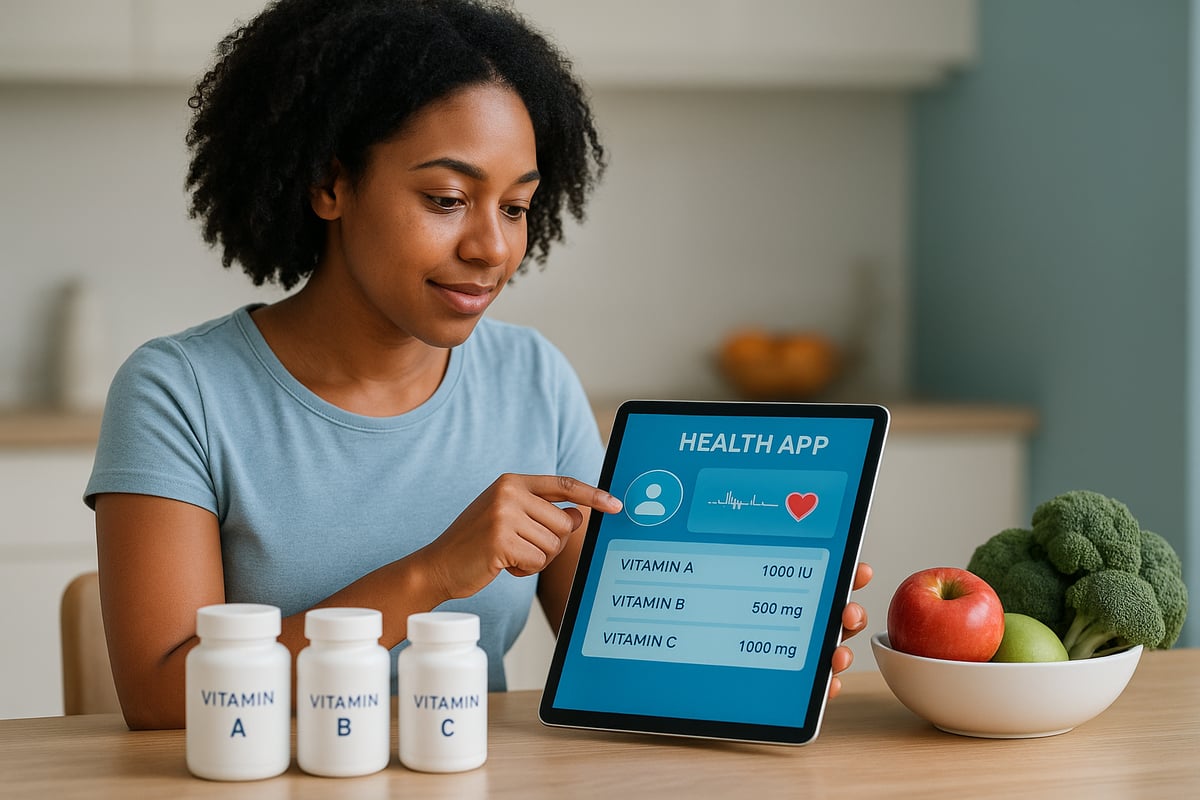
Personalized Nutrition and Genetic Testing
One of the most significant trends is the rise of personalized nutrition. Genetic testing and advanced biomarker analysis now allow professionals to identify which vitamins needed for the body are most critical for you, based on your unique DNA and metabolic profile. This level of precision helps detect predispositions to certain deficiencies or absorption issues, making recommendations far more effective than a one-size-fits-all approach.
Innovative Supplement Formulations and Delivery Systems
Supplement technology is also advancing. New formulations, such as liposomal encapsulation and slow-release tablets, increase the bioavailability of vitamins needed for the body, ensuring more is absorbed and used efficiently. These innovations help address challenges like poor absorption in older adults or those with chronic conditions. Additionally, supplements are being tailored for specific life stages, from prenatal to senior health, and for particular health concerns.
Digital Health Tools and Real-Time Tracking
Digital health platforms and mobile apps are transforming how people manage their vitamin intake. These tools track daily consumption, remind users to take supplements, and even sync with wearable devices for real-time health data. This integration makes it easier to adjust your intake of vitamins needed for the body based on changing lifestyle, diet, or health status. Many platforms now offer direct feedback and connect users with nutrition experts for ongoing support.
Synergy, Quality Assurance, and Regulatory Changes
Emerging research highlights the importance of vitamin synergy, where certain combinations enhance absorption or effectiveness. As a result, new products often blend multiple vitamins needed for the body in evidence-based ratios. The supplement industry is also experiencing tighter regulations and improved quality controls, ensuring that what you buy is both safe and effective. Independent testing and transparent labeling are becoming standard.
Real-World Solutions and What Lies Ahead
Personalized supplement plans, guided by data and professional input, are more accessible than ever. For a practical overview of essential supplements and strategies to meet your daily needs, visit the Life-essential supplements guide. As technology and research continue to advance, the future promises even more precise, effective, and convenient ways to ensure you get all the vitamins needed for the body, no matter your age or health goals.
As you’ve seen, understanding which vitamins matter most—especially as we age—can make a real difference in how we feel every day. If you’re curious about your own health needs and want to take a more proactive approach to healthy ageing, I invite you to discover your healthy ageing profile. This simple step can help you identify where you stand and highlight the areas where targeted support could help you stay energetic, resilient, and well into the years ahead.