Busting Common Myths About Ageing: Your Guide to Staying Healthy
Many myths about ageing surround the topic.
This article debunks these myths about ageing, showing how ageing can be healthy and fulfilling.
Discover the truth about mental sharpness, physical strength, and more as you age.
Key Takeaways
- Ageing does not inherently lead to cognitive decline; a healthy lifestyle and positive mindset can enhance mental sharpness.
- Regular physical activity is essential for maintaining strength and health in older adults, counteracting age-related declines.
- It’s never too late to adopt healthy habits, as even late-life lifestyle changes can significantly improve health and quality of life.
Heart Health in Ageing
As people age, maintaining heart health becomes increasingly important - it's that simple!
The natural ageing process can affect the cardiovascular system, raising the risk of heart disease and related conditions.
However, adopting a healthy diet (rich in fruits, vegetables, and whole grains) can make a significant difference. Including healthy fats from sources like fatty fish doesn't just support heart health but also helps reduce inflammation and improve the function of blood vessels!
Regular exercise is another key factor in protecting your heart as you move through middle age and beyond - quite simply, there's no getting around it.
Staying active helps manage body weight, lowers high blood pressure, and reduces stress, all of which are crucial for good health.
Dietary supplements (such as omega-3 fatty acids) can further support heart health, especially for those who may not get enough from their diet alone.
Managing stress through relaxation techniques like meditation or yoga can also benefit your heart and overall wellbeing - there's a very important point here though.
By paying attention to these lifestyle factors, adults can significantly lower their risk of heart disease and 'tip the scales' in their favour to enjoy better health as they age.
It's really about making the best choices for your long-term health!
Myth: Ageing Means Losing Your Mental Sharpness

Contrary to popular belief, ageing doesn’t automatically lead to a decline in mental sharpness.
Various lifestyle factors can significantly help maintain and even enhance cognitive function as you age:
- Regular exercise boosts physical health and enhances mental functions like memory and problem-solving skills.
- Quality sleep is vital for cognitive function and emotional well-being.
- Addressing any sleep issues is important for older adults.
Supporting the health of brain cells and nerve cells is crucial for maintaining cognitive function as we age.
Challenging your brain with new tasks and experiences is beneficial.
Continuing to learn and engage in intellectually stimulating activities helps keep cognitive functions sharp and promotes lifelong learning.
Midlife brains often outperform younger brains in cognitive tests, decision-making, and impulse control, showing that cognitive decline is not inevitable.
Healthy cells, especially nerve cells, play a key role in supporting mental sharpness and resilience against age-related decline.
Adopting positive views of ageing is linked to better mental and physical health, highlighting the value of an optimistic vision.
Socially active adults experience less cognitive decline, demonstrating the benefits of staying connected with others.
Focusing on these aspects helps maintain brain health and ensures a vibrant, mentally sharp old age.
Myth: Old Age Equals Physical Weakness
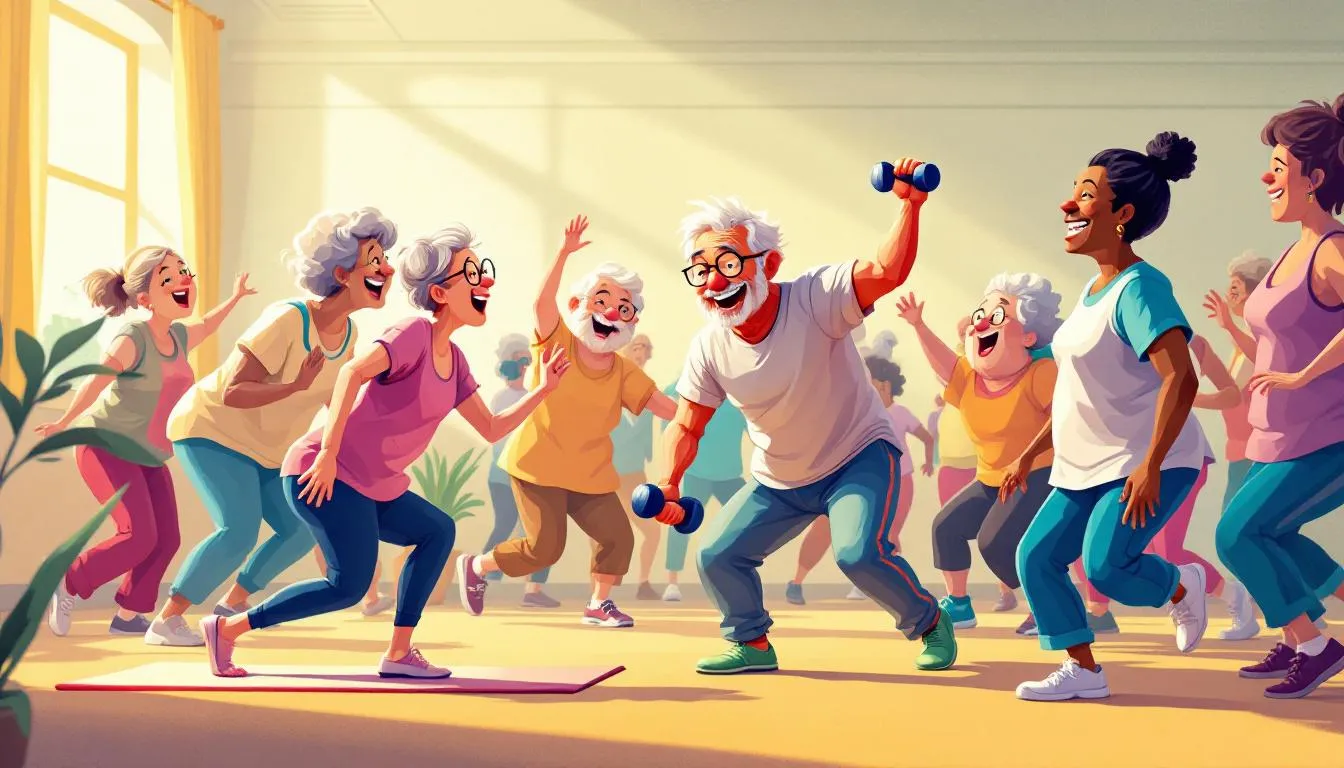
The idea that old age automatically leads to physical weakness is a common but misleading stereotype.
Although muscle mass and strength tend to decline with age, this is not an inevitable fate.
Regular physical activity can counteract these declines, maintaining muscles mass and overall physical strength.
Maintaining a healthy body composition—balancing muscle, fat, and bone mass—is also crucial for physical strength and helps reduce the risk of chronic diseases as we age. Inactivity, rather than age itself, is often the primary cause of symptoms like weakness, fatigue, and loss of balance, which can also be exacerbated by conditions such as osteoporosis.
Remaining active after retirement is particularly beneficial.
Regular physical activity can significantly improve health and quality of life, reducing risks associated with conditions like depression and heart disease.
A mix of aerobic, flexibility, and balance exercises helps older adults stay healthy and independent.
Regular physical activity can reduce the chances of developing chronic diseases and improve overall health in later years.
Staying active protects your body from common physical challenges associated with aging, allowing you to enjoy a fulfilling, normal, active lifestyle.
Myth: Older Adults Can't Learn New Skills
The belief that older adults can’t learn new skills is both incorrect and detrimental to their personal growth and independence.
Research indicates that older adults can learn new skills as effectively as younger individuals, provided they maintain a positive mindset.
Engaging in new learning challenges can enhance cognitive abilities in older adults, allowing them to reach cognitive levels comparable to much younger individuals.
Taking on new learning opportunities fosters independence and encourages older adults and other adults to tackle practical tasks and adapt to new technologies as an adult person.
This is crucial for maintaining an active and engaged lifestyle. However, older individuals often face self-imposed barriers to learning, such as unrealistic expectations, which can hinder their ability to acquire new skills.
Adopting a proactive approach to learning and staying open to new experiences helps older adults continue to grow, adapt, and thrive by paying attention.
Lifelong learning is immensely beneficial for maintaining mental sharpness and overall well-being.
Myth: Ageing Leads to Social Isolation
The idea that aging inevitably leads to social isolation is a myth with serious implications for older adults’ mental health. Key points include:
- Social networks play a crucial role in mitigating loneliness.
- The quality of personal relationships significantly impacts overall well-being and health outcomes.
- Participating in social and community activities enhances the well-being of older adults post-retirement, providing a sense of belonging and purpose.
Intergenerational relationships enhance social networks and decrease feelings of isolation, offering significant benefits.
These connections provide older adults with diverse perspectives and opportunities to stay socially engaged with family.
Taking time to talk with older adults—encouraging meaningful conversations, active listening, and sharing memories—fosters connection and understanding.
Fostering strong social ties and participating in community activities helps older adults combat loneliness and enjoy a fulfilling social life.
Myth: All Older People Have Health Issues

A widespread myth is that all older people inevitably suffer from health issues.
While the risk of certain health conditions can increase with age, many older adults enjoy good health by adopting preventive measures to protect their well-being.
Regular screenings and vaccinations are crucial for maintaining good health.
For example, older adults should receive vaccinations like the shingles vaccine and the pneumococcal vaccine, and undergo screenings for conditions like breast and bowel cancer.
Older adults with a weakened immune system are at higher risk for infections and should pay special attention to recommended vaccines.
Following a Mediterranean diet, which emphasizes fruits, vegetables, and whole grains, benefits health and can lower dementia risk.
Supplements like calcium and Vitamin K2 for women after menopause can also support long-term health.
Focusing on preventive health measures and a healthy lifestyle helps older adults maintain good health and enjoy a high quality of life.
Hormonal Changes and Health
Hormonal changes are simply part of getting older - there's no way around it - and they can have a real impact on health for all of us, whether we're men or women.
For women, menopause brings about those shifts in hormone levels that none of us really look forward to - the hot flashes, vaginal dryness, and changes in bone mass that seem to arrive uninvited.
These changes don't stop there though; they can mess with our mood, sleep patterns, and overall physical strength in ways that catch many women off guard.
For men, it's that declining testosterone that creeps up with age, affecting energy levels, muscle mass, and general wellbeing - though many blokes don't even realize what's happening!
There's a very important point here though when it comes to understanding these hormonal shifts.
Managing their effects isn't rocket science, but it does require some know-how.
A healthy diet (rich in calcium and vitamin D) can genuinely help support bone health, while 'dietary supplements' - and I use that term carefully because not all are created equal - may indeed alleviate some of those symptoms associated with menopause or andropause.
Clinical nutrition advice tailored to different age groups can provide those personalized strategies that actually make sense for maintaining health during these transitions, rather than just generic one-size-fits-all approaches.
By staying informed and proactive - and let's face it, that's really the key here - we can better navigate these hormonal changes, protect our physical strength, and maintain good health throughout the ageing process.
It's that simple, yet so many of us just hope these changes will sort themselves out!
Managing Stress and Anxiety
Stress and anxiety can become quite simply more pronounced as those of us entering middle age and older age navigate the realities of our body's naturally weakening immune system.
Chronic stress - and this is where it gets interesting - not only affects our mental health but can also contribute to inflammation and impact our overall wellbeing in ways that frankly can't be ignored!
Fortunately, there are effective ways for us to manage stress and protect our health as we age.
Regular exercise, a balanced diet, and prioritizing sufficient sleep are the foundational 'building blocks' for stress management - it's that simple.
There is a very important point here though: dietary supplements such as ashwagandha and magnesium (which considerable research indicates can be valuable) have been shown to support relaxation and help our bodies cope with the demands of stress.
Engaging in enjoyable activities, practicing mindfulness, and connecting with others can further build what we might call 'resilience reserves' against anxiety.
By taking proactive steps to manage stress, those of us committed to our long-term health can protect both our mental and physical wellbeing, supporting a healthier, more vibrant life as we age.
Quite simply, none of us can afford to overlook these opportunities to 'tip the scales' in our favour when it comes to aging gracefully!
Myth: You Shouldn't Exercise After 50
The belief that exercise is unsafe or unnecessary after age 50 is incorrect and harmful.
Daily physical activity is crucial for older adults to enhance their overall health and minimize the risk of cardiovascular issues.
Strength, balance, and flexibility exercises should be included at least twice a week in their fitness routine.
Moderate-intensity activities, requiring at least 150 minutes per week, contribute significantly to health benefits.
For those concerned about falls, exercises that enhance strength and balance can improve confidence in mobility.
Staying active helps older adults maintain their health, independence, and ability to enjoy life.
If you want a practical next step after the myths, here’s the simple routine we recommend for over-45s: the Healthy Ageing Supplements NZ guide — daily foundations, immune resilience and sleep support in one clear stack.
Sleep and Ageing
Quality sleep is essential for good health at any age, but it becomes especially crucial as we get older - and quite simply, none of us can 'hack' our way around this fundamental truth!
Ageing brings very real changes in our sleep patterns, making that restful eight hours harder to achieve than it used to be. It's that simple.
The reality is that factors such as hormonal shifts, reduced physical activity, and various health conditions (some of which are just part of getting older) all conspire to disrupt our sleep in ways that can't simply be ignored.
There's a very important point to make here though.
Sleep 'improvement' is a broad umbrella term and quite simply not all approaches are created equal.
To genuinely enhance sleep quality, those of us serious about our wellbeing need to establish a consistent sleep schedule, create a calming bedtime routine, and limit caffeine and screen time in the evening - these aren't just suggestions, they're necessities!
For some individuals, supplements like melatonin (taken under proper medical guidance, of course) may indeed help regulate those stubborn sleep cycles that seem to have a mind of their own.
Equally, for those of us interested in exploring every available opportunity to 'stack the deck' in our favour when it comes to healthy ageing, prioritizing sleep genuinely supports cognitive function, nerve cell health, and overall wellbeing.
By adopting these healthy sleep habits, older adults can indeed enhance their mental sharpness, energy levels, and quality of life - making sleep a cornerstone strategy that simply can't be overlooked in our long-term health arsenal.
Myth: Older Adults Are Not Interested in Sex
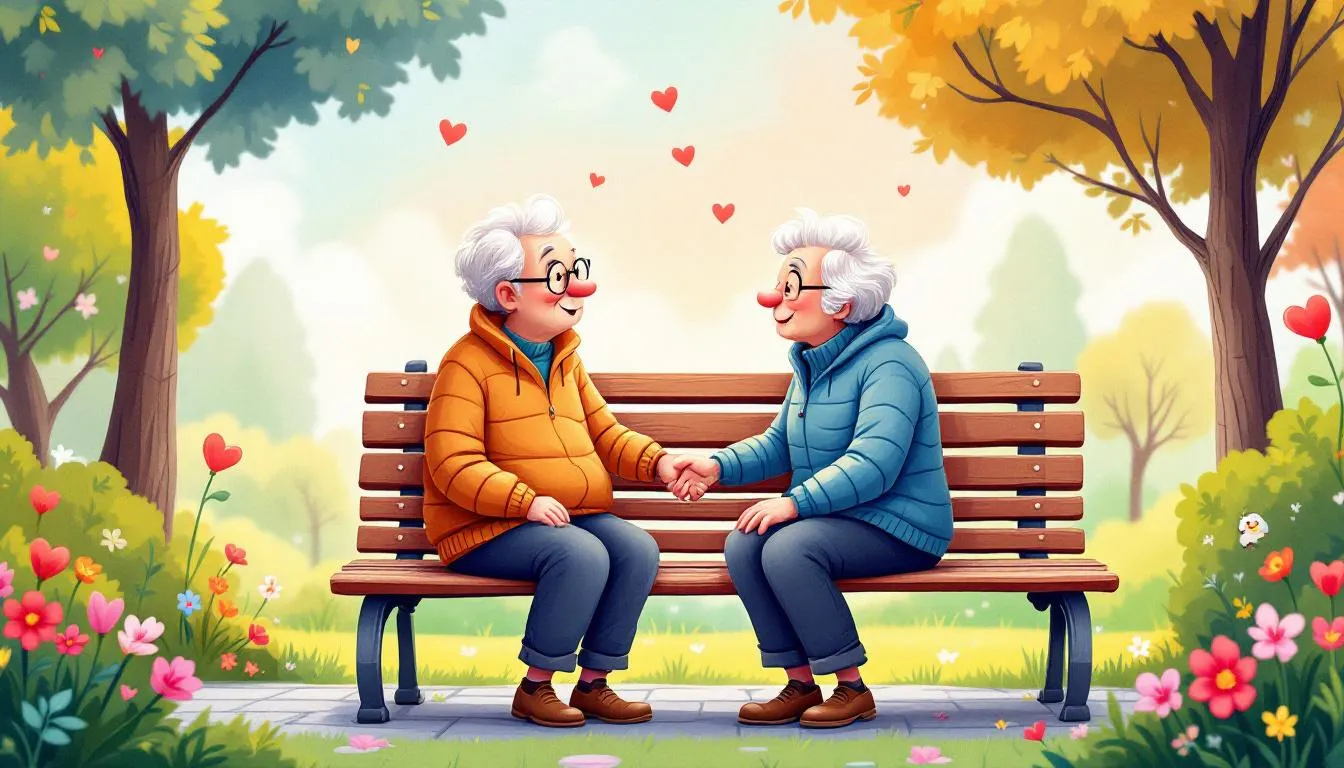
The notion that older adults are not interested in sex disregards the complex and evolving nature of human intimacy.
Menopause does not end a satisfying sex life; many women still find pleasure in intimacy post-menopause.
Hormonal changes during menopause can alter sexual experiences, but there are ways to enhance sexual pleasure.
Vaginal dryness, which can cause discomfort during sex, can be alleviated with treatments like vaginal estrogen.
Open communication with partners about sexual needs helps couples navigate challenges related to intimacy during menopause.
Changes in skin with age, such as reduced elasticity and moisture, can also affect comfort during intimacy, so maintaining skin health is important for overall well-being.
Some postmenopausal women may experience increased sexual desire during menopause, feeling liberated from societal judgments.
Maintaining a healthy sex life is possible and important for overall well-being, regardless of age.
Building Resilience and Coping Skills
Building resilience and strong coping skills is absolutely vital for navigating the inevitable changes and challenges that come with ageing – there's simply no getting around this reality!
Staying physically and mentally active, maintaining a healthy diet rich in nutrients, and supporting brain health are all crucial strategies. It's that straightforward.
Activities that stimulate the mind (such as reading, puzzles, or learning new skills) help build what we call 'cognitive reserve' and quite simply can't be overlooked when it comes to protecting mental health.
There's a very important element here though that many overlook. Social connections play an absolutely crucial role in this whole equation.
Staying engaged with family, friends, and community groups provides the kind of emotional support that you simply can't supplement your way out of needing!
Regular check-ups with healthcare providers and following guidance from reputable organizations (like the National Institute on Aging) can help you stay informed and proactive about your health – because let's face it, knowledge really is power in this context.
For those of us interested in exploring all available opportunities to 'tip the scales' in our favour as we age, focusing on these core aspects can indeed make all the difference.
Adults who embrace this comprehensive approach can enhance their resilience, better manage stress, and quite simply enjoy a more fulfilling, healthy life as they age.
The implications of ignoring these fundamentals simply can't be overridden with quick fixes or shortcuts!
Myth: Retirement Leads to Decline
The belief that retirement leads to a decline in quality of life negatively impacts the retirement experience.
Many older adults explore new interests after retiring, enhancing their quality of life. Old people continue to offer valuable contributions to their families and communities after retirement, sharing their wisdom, experience, and support.
Transitioning into retirement positively by engaging in hobbies or volunteer work fosters a sense of purpose.
Feelings of uselessness and inactivity can lead to a decline in life satisfaction after retirement, contributing to stress.
Regular exercise helps maintain independence and the ability to enjoy life as one ages.
Finding meaningful activities and staying active helps retirees enjoy a fulfilling and vibrant lifestyle.
Myth: Supplements Aren't Necessary if You Eat Healthy
While a healthy diet is essential, dietary supplements can fill nutritional gaps that may occur as we age.
Nutritional needs shift with age, necessitating a review of supplement routines. For instance, Vitamin D production decreases as we age, even with sun exposure, making supplementation important.
Omega-3 fatty acids from fatty fish benefit heart health, cognitive function, and joint health, and understanding clinical nutrition can further enhance our dietary choices by ensuring we receive adequate nutrients, including probiotics.
However, it is also important to obtain key vitamins and minerals—such as calcium, vitamin D, B12, and magnesium—from food sources to support overall well-being and help prevent conditions like osteoporosis.
Multivitamins support overall wellness and promote cognitive health.
Supplementing a healthy diet with necessary vitamins and minerals ensures older adults meet their nutritional needs and maintain good health.
Foods such as mushrooms, beans, dairy, fatty fish, and leafy greens are excellent sources of essential nutrients that support healthy aging and address age-related health concerns.
An important vitamin in this context is essential for overall well-being.
Myth: It's Too Late to Start Healthy Habits
It’s never too late to adopt healthy habits. Studies show that doing so can significantly lower mortality risk.
Even those who previously did not exercise can benefit from starting a routine to increase muscle strength.
Regular exercise can slow biological aging and improve overall health for our bodies.
Quitting smoking can lead to almost a 50% reduction in early mortality risk.
Implementing dietary changes, like eating a diet rich in vitamins and minerals while low in sugar, significantly influences the difference in biological age and helps the body absorb essential nutrients.
Taking control over lifestyle factors and setting realistic goals can positively influence the aging process, proving it’s never too late to begin making beneficial changes.
Summary
In conclusion, ageing is not synonymous with decline.
By debunking these common myths, we can adopt a more positive and proactive approach to ageing.
From maintaining cognitive function and physical strength to staying socially connected and exploring new interests, there are numerous ways to stay healthy and vibrant as we age. Embrace these opportunities, and make the golden years truly golden.
Frequently Asked Questions
Can older adults really maintain their cognitive function?
Yes, older adults can maintain their cognitive function through regular exercise, quality sleep, and engaging in mentally stimulating activities. These practices contribute significantly to preserving cognitive health.
Is it possible for older adults to learn new skills effectively?
Yes, older adults can effectively learn new skills, particularly when approaching the task with a positive mindset and realistic expectations. This demonstrates that age is not a limiting factor in the acquisition of new abilities.
How can older adults avoid social isolation?
Older adults can effectively avoid social isolation by building strong social networks, engaging in community activities, and nurturing intergenerational relationships. These strategies foster connectivity and combat feelings of loneliness.
Are supplements necessary for older adults?
Supplements can be beneficial for older adults to address nutritional gaps, particularly Vitamin D, Omega-3, and multivitamins, even if they maintain a healthy diet. Therefore, considering supplementation may improve overall health in this age group.
Is it ever too late to start healthy habits?
It is never too late to start healthy habits; adopting them at any age can lead to significant improvements in overall health and a lower risk of mortality. Embrace the opportunity to enhance your well-being today.
Want a simple plan that supports healthy ageing day to day? Explore our doctor-led Healthy Ageing Supplements NZ guide and shop the stack.
Try Lifeguard Essentials — your first month free
A simple, doctor-formulated daily foundation for healthy ageing, vitality and everyday wellbeing. Start your first month free and pay only shipping.
Claim Your First Free MonthFirst month free offer applies to eligible subscription orders. Shipping charges apply. Always read the label and use only as directed.
Related guide: Healthy Ageing and Inflammatory Balance: A Guide for Adults Over 40