
New Vitamin Discoveries for Healthy Aging in 2026
The landscape of nutritional science continues to evolve with remarkable discoveries that challenge our understanding of essential nutrients. Recent breakthroughs have identified previously unknown vitamins and enhanced versions of familiar ones, offering promising benefits for adults navigating the aging process. These developments represent more than academic curiosities; they provide tangible opportunities for individuals over 45 to support their health through evidence-based supplementation strategies.
Understanding the Recent Wave of Vitamin Discoveries
Scientific research teams worldwide have made unprecedented progress in identifying compounds that meet the strict criteria for vitamin classification. These discoveries mark significant milestones in nutritional science, with some representing the first newly identified vitamins in more than eight decades.
Vitamin A5 emerged as one of the most significant findings in recent years. Scientists proposed this new vitamin for brain and nerve health, derived from 9-cis-beta-carotene. The compound demonstrates unique properties that distinguish it from other members of the vitamin A family, particularly regarding neurological function and cognitive support.
Another breakthrough came with the identification of Vitamin MePiA, which received patent protection for its potential health applications. Research groups patented this new vitamin for health and well-being, recognizing its novel structure and biological activity. These discoveries underscore the reality that our understanding of essential nutrients remains incomplete, with new compounds continuing to surface through rigorous investigation.
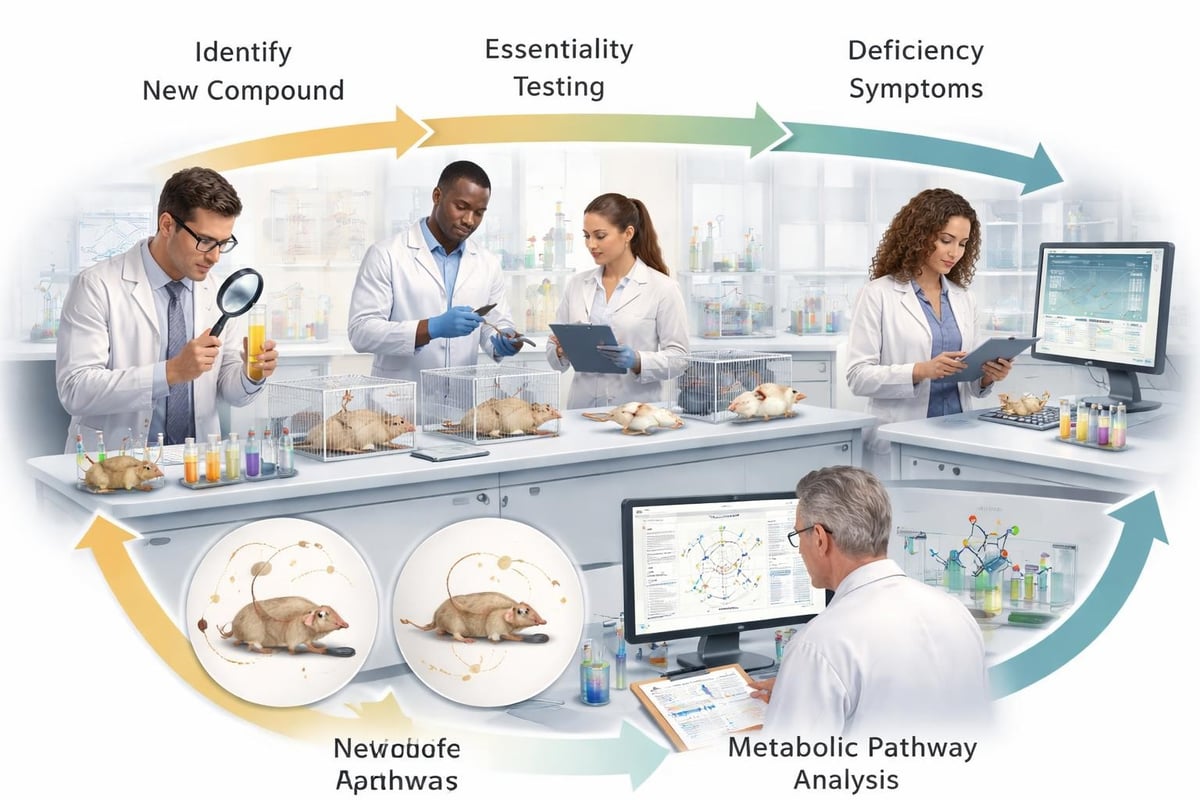
The criteria for vitamin classification remain stringent. A compound must be essential for normal physiological function, cannot be synthesized by the body in sufficient quantities, and must prevent specific deficiency symptoms when supplemented. Each new vitamin candidate undergoes extensive validation before acceptance by the scientific community.
The Science Behind Vitamin A5
The discovery of Vitamin A5 represents a paradigm shift in our understanding of carotenoid metabolism and vitamin A biochemistry. Traditional vitamin A research focused primarily on retinol and its precursors, but the identification of this new vitamin opened fresh avenues for investigation.
Research indicates that Vitamin A5 plays distinctive roles in maintaining neurological health. Unlike conventional vitamin A compounds that primarily support vision and immune function, this new vitamin demonstrates specific affinity for brain and nerve tissues. The molecular structure allows it to cross the blood-brain barrier more efficiently than traditional vitamin A forms.
For adults over 45, this discovery holds particular relevance. Age-related cognitive changes affect millions, and the search for safe, effective nutritional support continues. Understanding how we age at the cellular level helps contextualize why targeted nutritional support becomes increasingly important with each passing year.
The metabolic pathways involving Vitamin A5 differ from those of retinol and beta-carotene. Enzymes specific to this conversion process may become less efficient with age, potentially creating a scenario where supplementation becomes beneficial even when dietary carotenoid intake appears adequate.
Enhanced Vitamin K Analogues and Neuroprotection
Beyond entirely new vitamins, researchers have developed enhanced versions of familiar nutrients with remarkable properties. Vitamin K, long recognized for its role in blood clotting and bone health, has undergone significant innovation through the creation of synthetic analogues.
Scientists developed enhanced vitamin K analogues that promote neuron growth, offering potential regenerative treatments for neurodegenerative conditions. These modified compounds maintain the beneficial properties of natural vitamin K while demonstrating improved bioavailability and targeted action in neural tissues.
Clinical Applications for Aging Adults
The practical applications of these enhanced vitamin K compounds extend beyond theoretical benefits. Clinical trials have demonstrated measurable improvements in specific health conditions affecting older adults.
New research has shed light on vitamins' role in alleviating long COVID symptoms, with daily supplementation of vitamins K2 MK-7 and D3 showing promising results. The anti-inflammatory properties of these nutrients proved particularly valuable for individuals experiencing persistent symptoms following infection.
| Vitamin Form | Primary Benefit | Age-Related Application |
|---|---|---|
| Vitamin A5 | Neurological support | Cognitive maintenance |
| Enhanced K analogues | Neuron growth promotion | Neuroprotection |
| K2 MK-7 | Anti-inflammatory action | Post-viral recovery |
| Vitamin D3 | Immune modulation | Long COVID symptom relief |
The combination approach demonstrated in these studies aligns with modern understanding of nutritional synergy. Vitamins rarely work in isolation; their effects often amplify when combined strategically. This principle underlies the formulation philosophy behind comprehensive healthy aging supplements.
Vitamin K's Protective Cellular Mechanisms
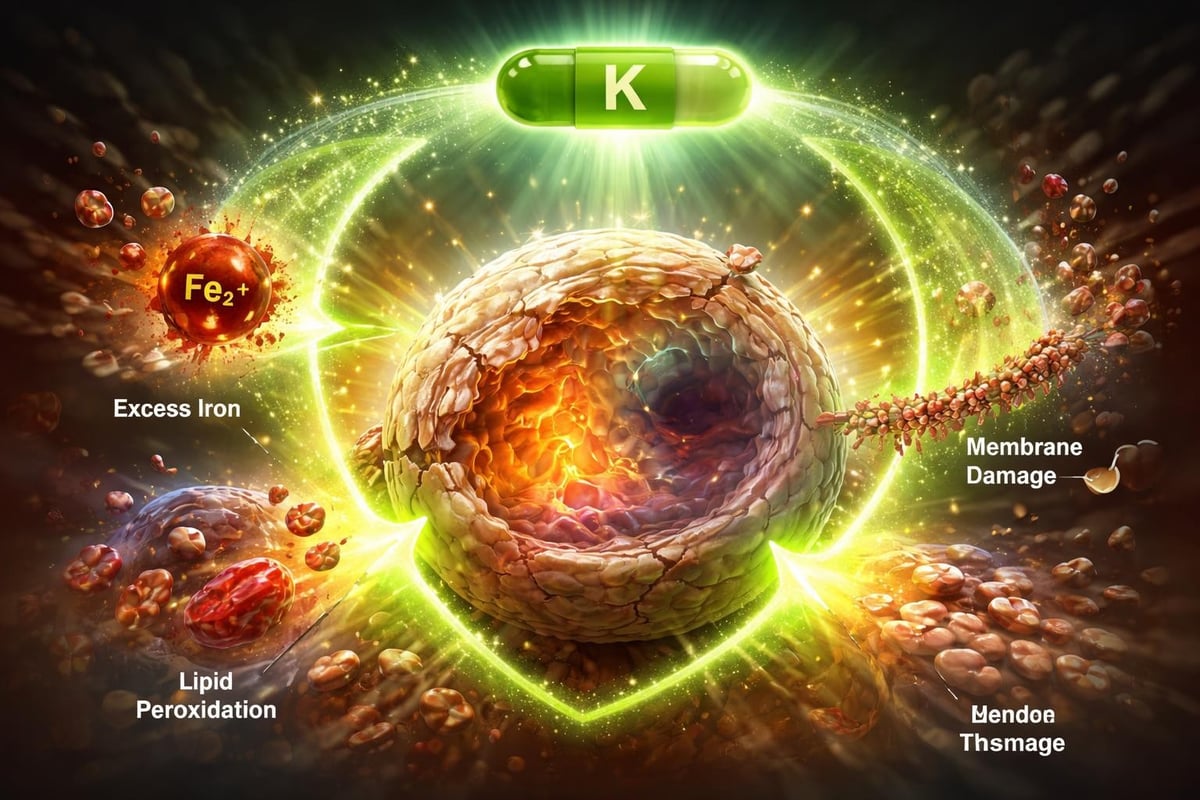
Recent research has unveiled unexpected roles for vitamin K in cellular protection mechanisms. Studies show that vitamin K protects against ferroptosis, a specific form of cell death driven by lipid peroxidation. This discovery connects dietary vitamin K intake to protection against cancer and degenerative conditions.
Ferroptosis represents a relatively recently characterized form of regulated cell death, distinct from apoptosis and necrosis. The process involves iron-dependent accumulation of lipid peroxides, leading to membrane damage and cell death. Vitamin K's antioxidant properties interrupt this cascade, preserving cellular integrity.
Key protective mechanisms include:
- Reduction of lipid peroxide formation through antioxidant activity
- Modulation of iron metabolism to prevent toxic accumulation
- Support for mitochondrial function and energy production
- Enhancement of cellular membrane stability
For individuals concerned about age-related cellular damage, these findings provide actionable insights. The protective effects of vitamin K extend beyond traditional bone and cardiovascular benefits, encompassing fundamental cellular health maintenance.
Vitamin B Complex Breakthroughs
The B vitamin family continues to reveal surprising functions beyond their well-established roles in energy metabolism. Recent discoveries have expanded our understanding of specific B vitamins, offering new therapeutic possibilities.
Research into vitamin B12 demonstrated unexpected benefits for acute inflammatory conditions. Studies indicate that vitamin B12 can reduce the severity of acute pancreatitis by enhancing energy production in pancreatic tissue. This finding illustrates how vitamins can influence specific organ function through metabolic pathways.
Vitamin B1 research achieved validation of long-standing theoretical models. Scientists confirmed a 67-year-old theory on vitamin B1's metabolic role, opening doors for applications in green chemistry and potentially revealing new therapeutic applications. The confirmation of theoretical mechanisms decades after their proposal demonstrates the progressive nature of nutritional science.
Practical Implications for Adults Over 45
Understanding these new vitamin discoveries translates into practical considerations for supplementation strategies. Adults navigating the aging process face unique nutritional challenges that generic approaches may not adequately address.
Age-related factors affecting vitamin status include:
- Decreased digestive efficiency reducing absorption rates
- Altered metabolic pathways changing vitamin conversion
- Increased oxidative stress elevating antioxidant requirements
- Medication interactions affecting vitamin utilization
- Dietary changes impacting nutrient intake patterns
The emergence of specialized vitamins and enhanced analogues provides targeted solutions for these challenges. Rather than simply increasing doses of conventional vitamins, new formulations can address specific age-related needs more precisely.
Managing inflammation becomes increasingly important with age, as chronic low-grade inflammation contributes to numerous age-related conditions. The anti-inflammatory properties demonstrated by enhanced vitamin K forms and the cellular protection offered by these new vitamin discoveries align with strategies for managing inflammation through nutritional support.
Evaluating Quality and Formulation
Not all vitamin supplements deliver equivalent benefits. The form of vitamin, delivery mechanism, and complementary ingredients significantly impact effectiveness. Adults seeking to leverage these new vitamin discoveries should consider several critical factors.
| Quality Factor | Consideration | Impact on Efficacy |
|---|---|---|
| Bioavailability | Form and delivery method | Determines absorption rates |
| Purity | Manufacturing standards | Affects safety and potency |
| Synergistic ingredients | Complementary nutrients | Enhances overall effectiveness |
| Research backing | Clinical evidence | Validates claimed benefits |
| Professional formulation | Expert development | Optimizes dosing and combinations |
Professional formulation becomes particularly important when working with newer vitamin forms. The research supporting these compounds often includes specific dosing protocols and combination strategies that maximize benefits while ensuring safety.
Lifeguard Health's research-based approach to formulation reflects this principle, incorporating current scientific understanding into practical supplement design for adults over 45.
Integrating New Vitamin Knowledge into Daily Routines
Translating scientific discoveries into daily health practices requires thoughtful integration. Simply adding new supplements without considering overall nutritional strategy may produce suboptimal results or unnecessary expense.
Building a Foundation
Before incorporating specialized new vitamin forms, ensuring adequate baseline nutrition remains essential. The most sophisticated new vitamin discovery cannot compensate for fundamental nutritional deficiencies or poor dietary habits.
A comprehensive approach starts with understanding individual needs. Factors such as current health status, existing conditions, medications, and lifestyle patterns all influence vitamin requirements. What works optimally for one person may not suit another, even within the same age group.

The relationship between why nutraceuticals matter and these new vitamin discoveries lies in their shared focus on evidence-based nutritional support. Both recognize that targeted supplementation, when properly formulated, can address specific physiological needs that diet alone may not meet.
Timing and Combination Strategies
The effectiveness of vitamin supplementation often depends on proper timing and strategic combinations. Fat-soluble vitamins like vitamin A5 and vitamin K require dietary fat for optimal absorption. Taking these supplements with meals containing healthy fats improves bioavailability significantly.
Optimal supplementation practices:
- Take fat-soluble vitamins (A, D, E, K) with meals containing fats
- Separate calcium and iron supplements to prevent absorption interference
- Consider B vitamins with morning meals for energy support
- Evaluate magnesium timing based on individual response (some find evening doses promote relaxation)
- Space multiple supplements throughout the day when taking high doses
Water-soluble vitamins like the B complex generally have less stringent timing requirements but may cause stomach upset when taken on an empty stomach. Divided doses throughout the day maintain more stable blood levels compared to single large doses.
The Future of Vitamin Science and Supplementation
The recent wave of new vitamin discoveries signals an acceleration in nutritional research. Technologies enabling more sophisticated molecular analysis continue to reveal previously unknown compounds and mechanisms. This trend will likely continue, bringing additional discoveries in coming years.
Advances in synthetic chemistry allow creation of vitamin analogues with enhanced properties, as demonstrated by the modified vitamin K compounds promoting neural growth. This approach combines natural vitamin structures with targeted modifications improving specific functions.
Personalized nutrition represents another frontier. Genetic testing, microbiome analysis, and metabolic profiling may eventually guide precise vitamin recommendations tailored to individual biochemistry. Some individuals process certain vitamins differently based on genetic variations, potentially requiring different forms or doses than standard recommendations suggest.
The relationship between vitamins and chronic disease prevention continues to evolve. Beyond preventing acute deficiency diseases, research increasingly focuses on optimal intake levels for long-term health maintenance and disease risk reduction. This perspective particularly benefits adults over 45, where prevention strategies offer more value than reactive treatment approaches.
Quality Assurance and Regulatory Considerations
As new vitamin forms enter the market, quality assurance becomes increasingly important. The supplement industry varies widely in manufacturing standards, testing protocols, and quality control measures.
Third-party testing provides independent verification of supplement contents and purity. Look for certifications from recognized testing organizations that verify label accuracy and screen for contaminants. New Zealand's regulatory framework for supplements provides strong consumer protections, with manufacturing standards that exceed many international markets.
Understanding the difference between synthetic and natural vitamin forms helps inform purchasing decisions. Some vitamins show no functional difference between synthetic and natural forms, while others demonstrate superior bioavailability in specific configurations. The new vitamin discoveries often exist only in synthetic forms initially, as extraction from natural sources may be impractical or impossible.
Evidence-Based Selection Criteria
When evaluating supplements containing new vitamin forms, several evidence-based criteria help distinguish quality products from inferior alternatives.
Research foundation matters significantly. Products based on published, peer-reviewed research carry more credibility than those relying solely on marketing claims. The new vitamin discoveries discussed here all emerged from rigorous scientific investigation, providing confidence in their biological relevance.
Professional formulation expertise adds value. Supplements designed by medical professionals or nutritional biochemists typically demonstrate more sophisticated understanding of nutrient interactions, optimal dosing, and safety considerations. The formulator's credentials and experience provide insight into product quality.
Transparency in sourcing and manufacturing indicates commitment to quality. Companies that openly share information about ingredient sources, manufacturing facilities, and testing protocols generally maintain higher standards than those providing minimal disclosure.
Targeted formulation for specific demographics improves relevance. Generic supplements designed for all ages may not optimally address the needs of adults over 45. Formulations specifically developed for this demographic consider age-related absorption changes, common deficiencies, and health priorities relevant to this life stage.
The alignment between product formulation and current research represents a critical quality indicator. As new vitamin discoveries emerge, premium supplement manufacturers incorporate these findings into updated formulations, ensuring products reflect the latest scientific understanding.
| Selection Criterion | What to Look For | Red Flags |
|---|---|---|
| Research backing | Published studies, clinical trials | Vague health claims, no citations |
| Professional formulation | Named expert developers | Anonymous formulation |
| Quality testing | Third-party verification | No testing documentation |
| Transparency | Detailed ingredient information | Proprietary blend hiding amounts |
| Targeted design | Age-specific formulation | One-size-fits-all approach |
Understanding these selection criteria empowers informed decisions when exploring supplements containing new vitamin forms or enhanced analogues.
The emergence of new vitamin discoveries and enhanced analogues represents an exciting frontier in nutritional science, offering targeted support for the unique challenges of healthy aging. From Vitamin A5's neurological benefits to enhanced vitamin K's neuroprotective properties, these breakthroughs provide evidence-based options for adults seeking to optimize their health after 45. As research continues to reveal the intricate roles vitamins play in cellular protection, brain function, and inflammation management, the opportunity to leverage these insights through thoughtful supplementation grows stronger. Lifeguard Health formulates supplements specifically for adults over 45, incorporating current research into products designed by Dr. Roderick Mulgan and manufactured in New Zealand to the highest quality standards.