
Risks of Vitamin Supplements: What You Need to Know
Vitamin supplements have become a staple in many households, particularly among adults seeking to maintain their health as they age. The global supplement industry generates billions of dollars annually, fueled by promises of enhanced vitality, disease prevention, and longevity. However, the risks of vitamin supplements are often overlooked in marketing materials and casual conversations about wellness. For adults over 45, understanding these potential dangers becomes increasingly important as the body's needs and responses change with age. While supplements can play a valuable role in addressing specific nutritional deficiencies, they are not without their hazards.
The Regulation Gap and Quality Control Issues
The supplement industry operates under significantly different regulatory frameworks compared to pharmaceutical drugs. In many countries, including New Zealand and the United States, supplements are classified as food products rather than medications. This distinction creates a regulatory environment where manufacturers are not required to prove efficacy or safety before bringing products to market.
Unlike prescription medications that undergo rigorous clinical trials, vitamin supplements can reach store shelves with minimal oversight. The responsibility for ensuring safety largely falls on manufacturers themselves, creating an environment where quality control varies dramatically between brands.
Manufacturing Standards and Contamination Risks
Not all supplement manufacturers adhere to the same production standards. Some facilities may lack proper quality control measures, leading to products that contain:
- Incorrect dosages of active ingredients
- Heavy metal contamination
- Undeclared allergens or fillers
- Bacterial or fungal contamination
- Ingredients not listed on the label
Third-party testing has revealed significant discrepancies between what supplement labels claim and what products actually contain. Some vitamins may have substantially less of the active ingredient than advertised, while others contain potentially dangerous amounts.
The risks of vitamin supplements extend beyond just the vitamins themselves. Additives, binders, and fillers used in manufacturing can cause allergic reactions or interact with medications. For adults over 45 who often take multiple medications for conditions like hypertension or cholesterol management, understanding these interactions becomes critical.

Dangerous Doses and Toxicity Risks
One of the most serious risks of vitamin supplements involves toxicity from excessive intake. The common belief that "more is better" when it comes to vitamins can lead to dangerous health consequences. Fat-soluble vitamins, which include vitamins A, D, E, and K, accumulate in body tissues rather than being excreted through urine like water-soluble vitamins.
Vitamin A Toxicity
National Geographic examines the potential harms of vitamin A and E supplements, emphasizing risks from excessive intake. Vitamin A toxicity can cause:
- Liver damage and failure
- Bone weakness and increased fracture risk
- Birth defects if taken during pregnancy
- Neurological problems including headaches and blurred vision
- Skin changes and hair loss
Adults over 45 face particular concerns with vitamin A supplements because age-related changes in liver function can reduce the body's ability to process and eliminate excess amounts.
The Vitamin E Paradox
While vitamin E is often marketed for its antioxidant properties, high-dose supplementation carries significant risks. Research has shown that excessive vitamin E intake may:
- Increase bleeding risk, particularly when combined with blood-thinning medications
- Elevate the risk of hemorrhagic stroke
- Interfere with vitamin K absorption
- Potentially increase prostate cancer risk in men
| Vitamin | Tolerable Upper Limit | Common Toxic Effects | Special Concerns Over 45 |
|---|---|---|---|
| Vitamin A | 3,000 mcg/day | Liver damage, bone loss | Reduced liver function with age |
| Vitamin D | 4,000 IU/day | Kidney stones, calcium buildup | Medication interactions |
| Vitamin E | 1,000 mg/day | Bleeding, stroke risk | Blood thinner interactions |
| Vitamin B6 | 100 mg/day | Nerve damage | Medication absorption issues |
Medication Interactions and Complications
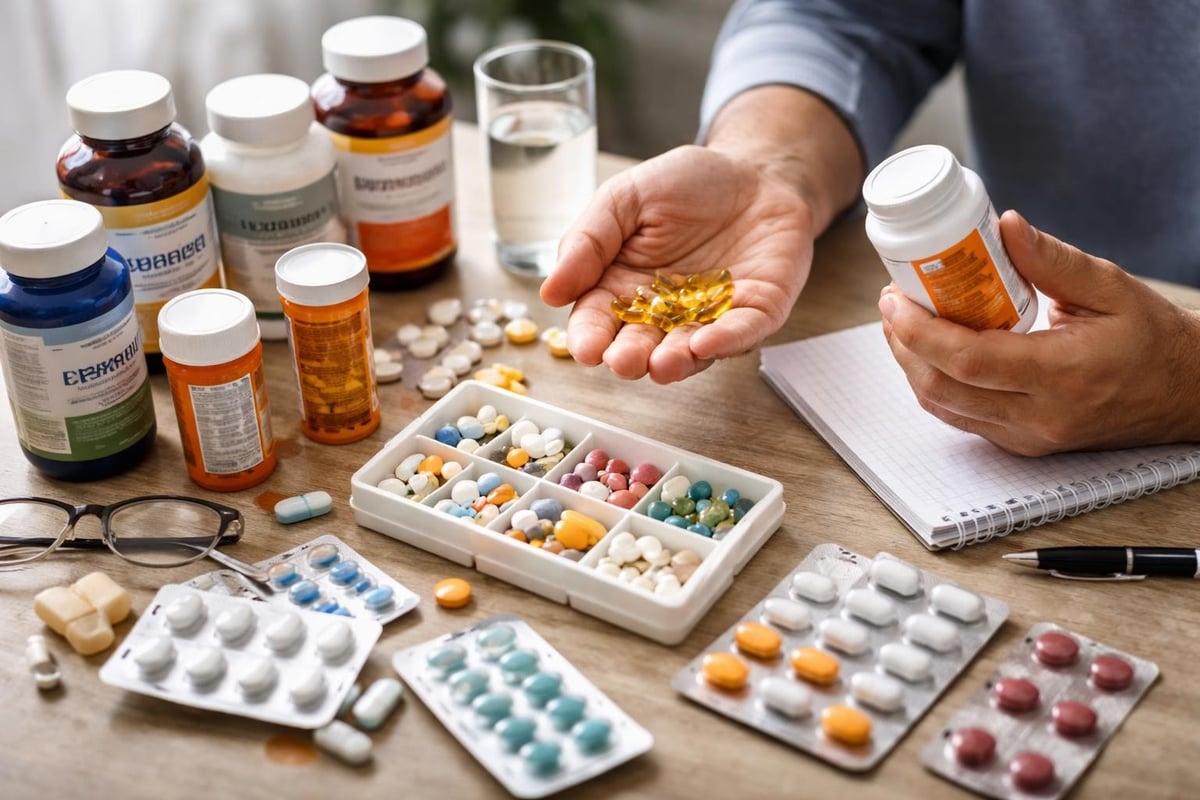
For individuals over 45, the risks of vitamin supplements become more complex due to common prescription medications. Harvard Health highlights the dangers of herbal supplements and their potential harmful interactions with prescription medications, a concern that extends to vitamin supplements as well.
Vitamin K supplements can dramatically reduce the effectiveness of warfarin and other blood thinners, potentially leading to life-threatening clots. Conversely, vitamin E and high-dose fish oil supplements can enhance the effects of blood thinners, increasing bleeding risk.
Common Problematic Combinations
Calcium supplements can interfere with thyroid medications, antibiotics, and blood pressure drugs. Taking calcium within several hours of these medications can reduce their absorption by up to 50 percent, rendering treatments ineffective.
Vitamin B6 in high doses may reduce the effectiveness of certain medications for Parkinson's disease. This presents a particular concern for older adults who are more likely to require such treatments.
Iron supplements can interact with medications for osteoporosis, thyroid conditions, and antibiotics. The timing of supplement intake becomes crucial, yet many people remain unaware of these interactions.
When considering whether to supplement or not, consulting with healthcare providers about potential medication interactions should be a priority.
The False Security of Supplementation
One subtle but significant risk of vitamin supplements involves the false sense of security they can create. Many people believe that taking vitamins allows them to compensate for poor dietary choices or unhealthy lifestyle habits. This psychological effect can actually worsen health outcomes.
Research has shown that individuals who take vitamin supplements may engage in riskier health behaviors, including:
- Consuming less nutritious diets
- Exercising less frequently
- Smoking or drinking alcohol more liberally
- Neglecting regular health screenings
This phenomenon, sometimes called "licensing effect," means that the very act of taking supplements might paradoxically lead to worse overall health choices. Tufts Health & Nutrition Letter discusses the lack of evidence supporting health benefits from most vitamin supplements and the potential risks of high doses.
The Whole Food Advantage
Nutrients obtained from whole foods come packaged with fiber, phytochemicals, and other beneficial compounds that work synergistically. Isolated vitamins in supplement form lack this complexity and may not provide the same benefits. In some cases, isolated nutrients may even behave differently in the body than they would when consumed as part of food.
For example, beta-carotene from vegetables appears protective against certain cancers, but beta-carotene supplements have been linked to increased lung cancer risk in smokers. This distinction highlights how the risks of vitamin supplements can differ from the benefits of food-based nutrients.
Kidney Damage and Metabolic Stress
High-dose vitamin supplementation places additional stress on the kidneys and liver, organs responsible for processing and eliminating excess nutrients. Colorado State University Extension provides information on the dangers of megavitamin intake, including potential severe side effects like kidney stones and liver damage.
Vitamin C and Kidney Stones
While vitamin C is water-soluble and generally considered safe, megadoses exceeding 2,000 mg daily can increase kidney stone formation. The body converts excess vitamin C into oxalate, a compound that combines with calcium to form painful stones. For adults over 45, whose kidney function naturally declines with age, this risk becomes more pronounced.
Vitamin D and Calcium Buildup
Excessive vitamin D supplementation can cause hypercalcemia, a condition where calcium builds up in the blood and soft tissues. Symptoms include:
- Nausea and vomiting
- Weakness and fatigue
- Confusion and disorientation
- Kidney damage
- Irregular heart rhythms
The relationship between vitamin D supplementation and calcium absorption makes this particularly concerning. Many people take both supplements simultaneously, compounding the risk of calcium-related complications.
Maintaining proper kidney function becomes increasingly important with age, and understanding how silent inflammation can affect health outcomes later in life includes recognizing how supplement-induced metabolic stress contributes to inflammatory processes.
Cancer Risks and Unexpected Consequences
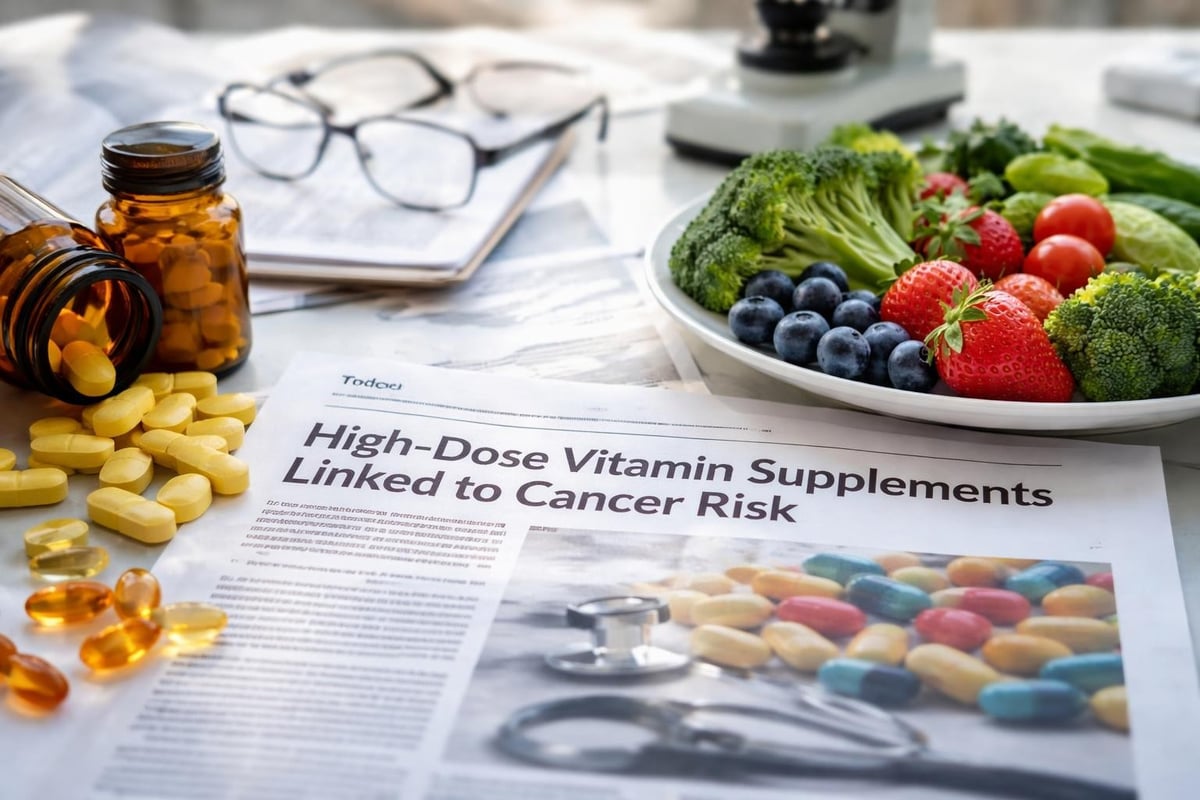
Perhaps the most alarming risks of vitamin supplements involve potential cancer links. While vitamins from food sources generally show protective effects against cancer, high-dose supplements tell a different story.
Several large-scale studies have revealed unexpected cancer risks from vitamin supplementation. The SELECT trial found that vitamin E supplements increased prostate cancer risk by 17 percent. Beta-carotene supplements increased lung cancer rates in smokers by up to 28 percent in two major trials.
The Antioxidant Paradox
Antioxidant supplements are heavily marketed for cancer prevention, yet research suggests they may actually interfere with the body's natural cancer-fighting mechanisms. Cancer cells can utilize antioxidants to protect themselves from the oxidative stress that would normally kill them. High-dose antioxidant supplements may therefore inadvertently support tumor growth.
Folate (vitamin B9) supplementation presents another complex example. While adequate folate is essential for health and can prevent certain birth defects, excessive intake from supplements may accelerate the growth of existing precancerous lesions. Consumer Reports, as featured on CBS News, lists ten hidden dangers of vitamins, including potential overdose risks.
Individual Variability and Genetic Factors
The risks of vitamin supplements vary significantly between individuals based on genetic makeup, existing health conditions, and lifestyle factors. What proves safe for one person may be dangerous for another, yet supplements are marketed and sold with a one-size-fits-all approach.
Genetic variations affect how efficiently people absorb, utilize, and eliminate different vitamins. For example, variations in the MTHFR gene affect folate metabolism, meaning some individuals require different forms or amounts of B vitamins than others. Taking standard supplements without understanding these individual differences can lead to imbalances.
Age-Related Absorption Changes
As we age, our bodies change in ways that affect vitamin needs and supplement safety:
- Stomach acid production decreases, affecting vitamin B12 absorption
- Kidney function declines, reducing the body's ability to eliminate excess water-soluble vitamins
- Liver metabolism slows, increasing the risk of fat-soluble vitamin accumulation
- Medication use increases, creating more opportunities for dangerous interactions
These changes mean that supplement recommendations appropriate for younger adults may pose risks for those over 45. Understanding how the immune system changes after 40 provides context for why nutritional needs shift with age.
The Importance of Professional Guidance
Given the complexity of the risks of vitamin supplements, professional guidance becomes essential. Self-prescribing based on internet research or marketing claims can lead to dangerous mistakes. Healthcare providers can assess individual needs through blood tests and medical history reviews.
A comprehensive approach to supplementation should include:
- Blood tests to identify actual deficiencies rather than assumed ones
- Review of all current medications for interaction risks
- Assessment of dietary intake to avoid unnecessary supplementation
- Regular monitoring to prevent accumulation of fat-soluble vitamins
- Adjustment of doses based on age-related physiological changes
Professional formulation makes a significant difference in supplement safety and efficacy. Products developed by medical professionals with expertise in nutrition can account for appropriate dosing, form selection, and combination ratios that minimize risks while addressing genuine nutritional needs.
For those interested in exploring evidence-based approaches to supplementation, working with formulations created by qualified professionals provides an additional layer of safety.
Strategic Supplementation for Healthy Aging
While this article highlights the risks of vitamin supplements, appropriate supplementation can play a valuable role in healthy aging when approached thoughtfully. The key lies in understanding the difference between addressing documented deficiencies and pursuing megadose supplementation based on marketing promises.
Evidence-Based Supplement Choices
Certain supplements have strong evidence supporting their use in specific populations. For adults over 45, these may include:
| Supplement | Evidence Level | Appropriate Use | Risk Considerations |
|---|---|---|---|
| Vitamin D | Strong | Deficiency correction, bone health | Kidney stones, hypercalcemia with excess |
| Vitamin B12 | Strong | Age-related absorption decline | Generally safe at recommended doses |
| Calcium | Moderate | Osteoporosis prevention (with vitamin D) | Kidney stones, cardiovascular concerns at high doses |
| Omega-3 fatty acids | Moderate | Heart health, inflammation | Bleeding risk at very high doses |
The distinction between therapeutic supplementation and preventive megadosing is crucial. Correcting a documented vitamin D deficiency differs fundamentally from taking high-dose antioxidant cocktails in hopes of preventing disease.
Quality Matters More Than Quantity
When supplementation is appropriate, choosing high-quality products becomes paramount. Look for supplements that:
- Use bioavailable forms of nutrients
- Provide transparent labeling
- Undergo third-party testing
- Come from manufacturers following good manufacturing practices
- Avoid unnecessary additives and fillers
Understanding the science behind natural ingredients for immune support helps distinguish evidence-based formulations from products relying solely on marketing hype.
Moving Beyond the Supplement Mindset
Perhaps the most important takeaway regarding the risks of vitamin supplements is that they should never serve as a primary health strategy. Supplements work best when they supplement an already healthy foundation of nutritious eating, regular physical activity, adequate sleep, and stress management.
The pursuit of health through pill-taking alone represents a fundamental misunderstanding of human physiology. Our bodies evolved to obtain nutrients from complex food matrices, not isolated compounds in capsule form. While modern life sometimes creates situations where supplementation becomes necessary, it should remain a targeted intervention rather than a daily insurance policy.
Prioritizing whole foods provides nutrients alongside fiber, polyphenols, and countless other beneficial compounds that supplements cannot replicate. A colorful plate of vegetables delivers vitamins in their natural context, complete with the cofactors and complementary nutrients that enhance absorption and utilization.
For those committed to healthy aging, nutrition remains just as relevant for cognitive function as it is for physical health, and whole foods provide the foundation for both.
Practical Risk Reduction Strategies
If you choose to take vitamin supplements, several strategies can minimize the associated risks. First, never exceed the recommended upper limits for any nutrient unless specifically directed by a healthcare provider treating a diagnosed deficiency. More is not better when it comes to vitamins.
Timing matters for both safety and efficacy. Taking fat-soluble vitamins with meals enhances absorption while reducing gastrointestinal distress. Separating supplements from medications by at least two hours can prevent many interactions.
Keep a comprehensive list of all supplements and share it with every healthcare provider you see. This includes your primary care physician, specialists, dentists, and pharmacists. Many dangerous interactions occur because providers remain unaware of all substances their patients consume.
Consider periodic "supplement holidays" where you take breaks from non-essential supplementation. This allows your body to clear accumulated nutrients and reduces the risk of toxicity from long-term excessive intake.
Finally, reassess your supplement regimen regularly. What made sense at 50 may not be appropriate at 65. As health status, medications, and nutritional needs change, supplementation strategies should evolve accordingly. Regular blood work can identify whether current supplementation remains necessary or has become excessive.
The risks of vitamin supplements deserve serious consideration, particularly for adults over 45 whose changing physiology makes them more vulnerable to both deficiencies and toxicities. While supplements can address specific nutritional gaps, they require the same careful consideration as any intervention affecting your health. At Lifeguard Health, our New Zealand-made supplements are formulated by Dr. Roderick Mulgan specifically for adults over 45, using evidence-based dosing and quality ingredients designed to support healthy aging without unnecessary risks. We believe in supplementation that complements, rather than replaces, the foundation of good nutrition and healthy lifestyle choices.