
Supplements for Ageing Well
Introduction
This guide explains which evidence-backed supplements are most relevant for ageing well, who’s most likely to benefit, and how to use them safely.
It’s written for adults who want to protect independence, energy, and quality of life as they get older—without chasing hype.
As always, check with your GP or pharmacist before starting something new, especially if you take prescription medications or manage a health condition.
Key Takeaways
- Food, quality sleep, regular exercise, and social connection remain the foundation of healthy ageing—supplements are add-ons, not magic pills that reverse the clock.
- Five to seven core evidence-backed supplements benefit most older adults: vitamin D, calcium with vitamin K2, omega-3 fatty acids, vitamin B12, protein (including whey), and fibre.
- Many “longevity” products like NMN, resveratrol, spermidine, and fisetin show promise in laboratory studies but lack robust human evidence for healthy people.
- Safety matters: supplements can interact with certain medications, affect kidney or liver function, and alter blood clotting—always involve a doctor or pharmacist before starting something new.
- The best supplement routine is simple, sustainable, and tailored to your individual nutritional needs based on blood tests and medical advice.
What supplements should I take in my 50s (NZ)?
If you’re in your 50s and want the simplest “ageing well” approach, start with the basics that most commonly run low as we get older. Think of this as a foundation stack—then personalise from there with blood tests and advice from your GP or pharmacist.
A simple foundation stack (6 essentials):
- Vitamin D (especially in NZ winter): Helpful if you’re indoors a lot or don’t get regular midday sun.
- Calcium + Vitamin K2 (if your dietary calcium is low): Prioritise food first (dairy, calcium-fortified milks, canned salmon with bones), then supplement if needed.
- Omega-3 (EPA/DHA): Most useful if you rarely eat oily fish like salmon, sardines, or mackerel.
- Vitamin B12: Worth checking from ~50+ (and especially if you take metformin/PPIs or eat little animal protein).
- Protein (e.g., whey or a high-protein shake): Supports muscle as age-related muscle loss accelerates—best paired with strength training.
- Fibre (e.g., psyllium): A practical add-on if constipation, cholesterol, or blood sugar support is a goal.
If you want help choosing what’s most relevant for you, take the Lifeguard Bundle.
How Supplements Fit Into Healthy Ageing
Changing Nutritional Needs
From about age 40 to 50 onwards, your body’s nutritional needs begin shifting. You typically need more protein to maintain muscle mass, more vitamin D as skin synthesis declines, and more B12 as absorption becomes less efficient—yet you often need fewer total calories.
Supplements can help fill these gaps when diet or sun exposure fall short—especially if appetite, digestion, or lifestyle make it hard to hit targets consistently.
Realistic Goals
It’s worth separating realistic goals from marketing hype.
The genuine aims of supplements for ageing well aren’t about adding decades to your lifespan or reversing your biological clock.
Instead, they’re about supporting bone density, preserving muscle mass, maintaining brain function, bolstering your immune system, and protecting your independence well into your 70s, 80s, and beyond.
Getting older is not for sissies — but it is easier when you focus on the basics you can do consistently (food, movement, sleep, and a few evidence-backed supplements where they genuinely fit).
It’s also important to ensure sufficient intake of other nutrients, such as folate and vitamin B12, alongside more commonly discussed ones like calcium and protein, to support overall health and prevent deficiency-related issues.
For most adults, the biggest validated wins still come from lifestyle factors:
- A Mediterranean diet rich in olive oil, oily fish, and whole grains
- 150 or more minutes per week of moderate exercise
- Strength training two or more days weekly
- Seven to nine hours of good sleep
- Quitting smoking
- Limited alcohol
Personalized Supplementation
Supplements work best when they’re based on actual evidence of need rather than guesswork.
This might include lab results showing low vitamin D or B12, or clear dietary limits such as a vegan diet, poor appetite, or difficulty chewing. Getting personalised advice from a healthcare provider ensures you’re targeting real gaps rather than wasting money on things you don’t need.
Core Supplements Most Older Adults Should Consider
This “foundation stack” is supported by large studies and guidelines for people over roughly 50 to 60 years old.
Think of these as the supplements with the strongest evidence base—but exact doses should always be confirmed with your own doctor or dietitian, especially if you’re on medications or managing kidney or heart disease.
Vitamin D
Vitamin D is essential for bone health as it helps the body absorb calcium from food. After about age 60, your skin produces less vitamin D from sun exposure, and many older adults spend more time indoors. In temperate climates like New Zealand, the UK, or northern regions of the US, winter deficiency is common.
Research suggests that inadequate vitamin D is linked to increased risk of fractures, muscle weakness, falls, and reduced immune function.
Guidelines often recommend around 800 to 1,000 IU daily for older adults at risk, though blood levels should be tested before using high doses.
Vitamin D supports bone health by helping your body absorb calcium, and studies suggest it may help lower blood pressure and support heart health in some populations.
If you have limited sun exposure or rarely eat fortified foods, this is often the first supplement to consider.
Calcium Plus Vitamin K2
Women after menopause and men from around 70 onwards lose bone density more rapidly and may not reach the recommended 1,000 to 1,300 mg of calcium daily through food alone.
Before reaching for supplements, focus on calcium-rich foods:
- Milk products like yoghurt and cheese
- Calcium-fortified plant milks
- Canned salmon with bones
- Tofu set with calcium
- Leafy greens
When food falls short, a calcium supplement paired with vitamin K2 (particularly the MK-7 form) can help. K2 directs calcium toward your bones and teeth while helping keep it out of your arteries—potentially supporting heart health alongside bone density.
However, if you take warfarin or other anticoagulants, you must check with your doctor before using K2, as it affects blood clotting.
Omega-3 Fatty Acids
Omega-3 Fatty Acids support heart, brain, and vision health and have anti-inflammatory properties.
Fish oil or algae oil provides EPA and DHA, omega-3 fatty acids with documented health benefits for triglyceride levels, heart rhythm, and brain function.
Older adults who rarely eat oily fish like salmon, sardines, or mackerel often benefit most from supplementation.
Many heart guidelines suggest around 1 gram daily of combined EPA and DHA for general support, with higher doses only under medical supervision.
Omega-3s have anti inflammatory properties that may help reduce risk of heart disease and support cognitive function.
However, they can increase bleeding tendency at higher doses, so be cautious if you’re taking blood thinners like aspirin, clopidogrel, or warfarin.
Vitamin B12
Vitamin B12 is essential for nerve function, and its absorption often declines with age.
Your stomach produces less acid and intrinsic factor as you age, meaning that from around 50 to 60 onwards, many people absorb less B12 even with adequate dietary intake.
Long-term use of proton pump inhibitors (omeprazole, esomeprazole) or metformin for blood sugar control further increases deficiency risk.
Low B12 is connected to memory loss, numbness and tingling, anaemia, and fatigue. A blood test can identify deficiency, and if levels are low, supplements in oral tablet form or periodic injections can restore them.
This is particularly important for those following a vegan or vegetarian diet, as B12 is found almost exclusively in animal products.
Protein and Essential Amino Acids
From around age 50, muscle loss (sarcopenia) accelerates. Older adults generally need 1.0 to 1.2 grams of protein per kilogram of body weight daily if kidneys are healthy—more than younger adults typically require.
Many people struggle to reach this through food alone, especially those with low appetite, chewing difficulties, or limited energy for cooking.
Practical supplements include:
- Whey protein powder
- Ready-to-drink high-protein shakes
- Adding milk powder to soups and porridge
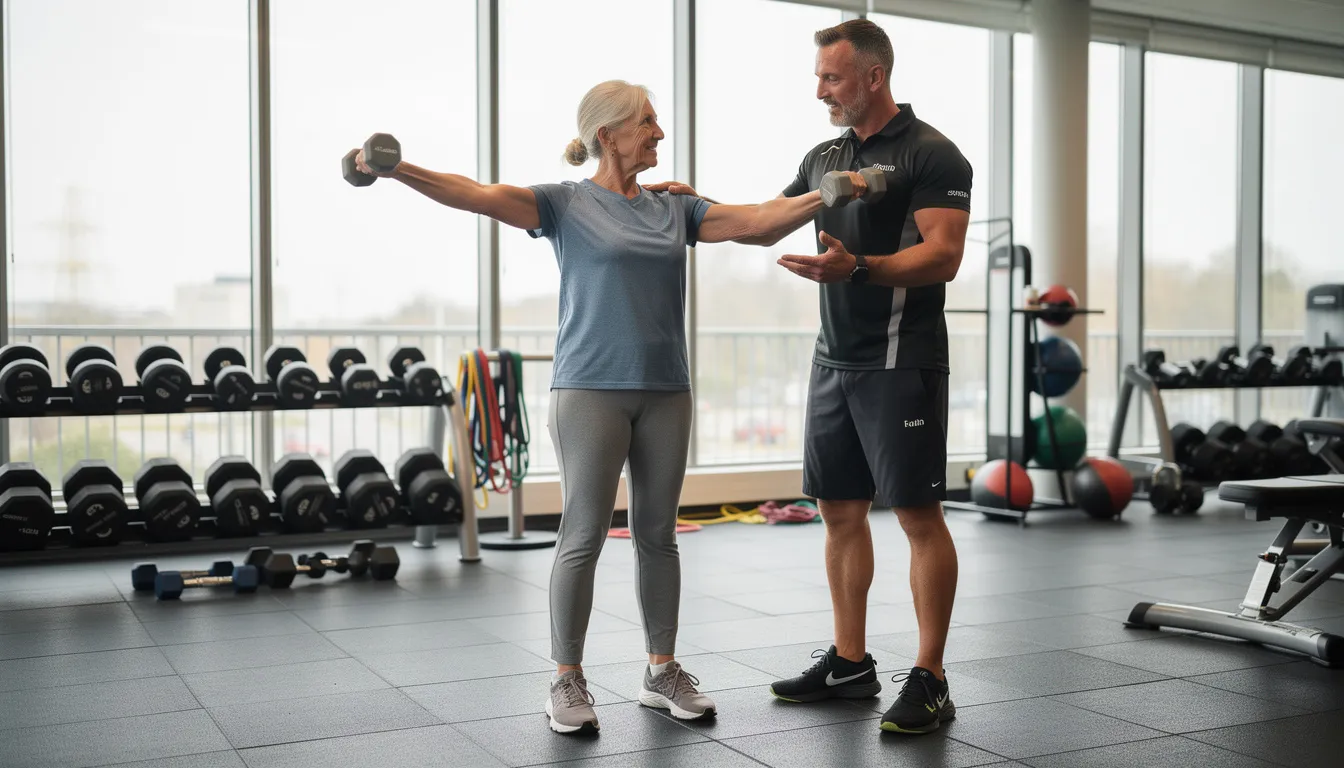
The key is pairing protein intake with resistance exercise—bands, weights, or bodyweight movements—two to three times weekly to protect muscle mass and physical independence.
Fibre
Ageing, reduced physical activity, and certain medicines (opioid painkillers, iron tablets) often contribute to constipation. High fibre foods like:
- Baked beans
- Brown rice
- Wholegrain bread
- Vegetables
- Fruits
should be your first line of defence, accompanied by plenty of water. It’s important to eat plenty of these foods and fluids to support healthy ageing and help prevent constipation.
When diet falls short, fibre supplements like psyllium husk can support bowel regularity while also helping manage cholesterol and high blood sugar.
Take them with at least a full glass of water and space them away from other medications by an hour or two to avoid absorption issues.

Targeted Supplements for Common Ageing Concerns
Joint and Bone Health
Glucosamine, Chondroitin, and MSM: Glucosamine sulfate (not hydrochloride) and chondroitin have modest evidence for knee osteoarthritis.
Some people notice pain relief over three to six months of consistent use; others see no benefit.
MSM (methylsulfonylmethane) is often combined with these for additional joint support.
Collagen: Collagen supplementation may improve skin hydration, elasticity, and joint health.
Type II collagen and undenatured collagen are emerging options. Benefits tend to be gradual, requiring daily use for several months before meaningful changes appear.
Curcumin: This compound from turmeric has well-documented anti inflammatory properties that may reduce joint discomfort.
Look for “enhanced absorption” formulations with piperine or phospholipids, as standard curcumin absorbs poorly.
Use caution if you’re on blood thinners or have gallbladder issues.
Brain and Memory Support
Omega-3 fatty acids again take centre stage for brain health and mood, especially for those with low fish intake.
They support brain function by maintaining cell membrane fluidity and reducing inflammation.
Maintaining brain health and cognitive function as you age may also help reduce the risk of developing Alzheimer's disease and other forms of age-related cognitive decline.
Adequate B12, folate, and B6 help control homocysteine—an amino acid linked to cognitive decline when elevated.
Supplementation is most useful when a deficiency is documented through blood tests.
The gut-brain axis represents an emerging area of research. Broad-spectrum probiotic supplements may support mood and cognitive function, though strains and doses vary considerably.
Studies suggest the connection between gut health and mental well being is real, but we’re still learning which probiotics work best.
Eye Health
Clinical trials have shown that a specific combination of lutein, zeaxanthin, zinc, vitamin C, and vitamin E can slow progression of moderate age-related macular degeneration.
These AREDS-style formulas are designed for people with diagnosed retinal changes, not for general prevention.
If you’re concerned about eye health, get an eye exam first.
These supplements are most beneficial for specific conditions rather than as a universal preventive measure.
Sleep and Stress Support
Magnesium supports metabolic function, muscle health, and energy.
Magnesium glycinate or citrate in moderate doses (200-400 mg) taken in the evening can support relaxation and help with muscle cramps.
However, high doses may cause diarrhoea, and people with kidney disease or on certain heart medications should check with their doctor first.
Chronic stress can contribute to high blood pressure, so managing stress through healthy sleep habits and lifestyle changes is important for cardiovascular health as you age.
Amino acids like glycine or L-theanine offer gentle relaxation support without the grogginess of sleep medications.
That said, quality sleep depends more on sleep hygiene—a dark, cool room, consistent bedtime, and limiting screen time before bed—than on any supplement.
If sleep is a regular struggle, you may like Lifeguard Sleep—a doctor-formulated option designed to support relaxation and deeper, more restorative sleep. Read more about Lifeguard Sleep here.
Immune Support
Zinc, vitamin C, vitamin D, and probiotics can all support immune system function.
However, daily adequate intake is generally more effective than very high doses at the first sign of a cold.
For simple, daily immune support (especially through winter, travel, or busy periods), see Lifeguard Immune—a doctor-formulated blend for adults 40+. Read more about Lifeguard Immune here.
A strong immune system helps protect against infectious diseases, which can pose greater risks for older adults, especially if immune function is compromised by factors such as smoking.
Be cautious with excessive zinc—long-term high-dose lozenges can cause copper deficiency and taste changes.
For most people, eating plenty of varied diet foods from all food groups provides sufficient immune support, with supplements filling genuine gaps.
Targeted supplements should be chosen for a specific goal—less knee pain, better sleep, improved energy—and reviewed after two to three months to decide whether to continue.
Skincare and Sensory Health
Skincare Basics
As we age, our skin quite simply becomes thinner, drier, and less elastic – making it much more susceptible to damage and discomfort.
For older adults, a simple daily skincare routine can indeed go a long way in maintaining healthy skin.
Think gentle cleansing, regular moisturising, and protecting those exposed areas. It's that straightforward!
Sun Protection
One of the most important steps (and this can't be overstated) is guarding against sun exposure, which is a leading cause of skin cancer and premature skin ageing.
Applying sunscreen every day, wearing protective clothing, and seeking shade during peak sun hours are essential habits for reducing risk – there's considerable research that supports this approach.
Regular skin checks, either at home or with a healthcare professional, can indeed help catch any unusual 'spots' or changes early, significantly improving outcomes if skin cancer does develop.
Hearing and Vision
Sensory health is another key aspect of healthy ageing – and there's a very important point here.
Gradual changes in hearing, vision, and even sense of smell are quite simply common, but there are practical ways to adapt that don't require major lifestyle overhauls!
For hearing, simple strategies like reducing background noise, speaking clearly, and considering hearing aids can make communication easier and support mental health (which is often overlooked).
Regular eye exams are important for detecting changes early and maintaining eye health – and you should report any sudden vision changes to your doctor promptly.
By taking these proactive steps to care for your skin and senses, you can indeed help preserve comfort, independence, and quality of life as you age.
Foot and Oral Health
Foot Care
Healthy feet are absolutely vital for maintaining independence and overall wellbeing in older adults!
Foot health can take a real beating from years of wear, poorly fitting shoes (we've all been there), reduced circulation, or medical conditions like diabetes. It's that simple - regularly checking your feet for any changes, keeping nails trimmed, and seeking professional help for persistent issues can prevent discomfort and more serious complications down the track.
Comfortable, supportive footwear and keeping feet clean and dry are straightforward steps that support mobility and physical health - none of us can walk our way out of neglecting basic foot care!
Oral Hygiene
Oral health is equally crucial for healthy ageing.
Healthy teeth and gums quite simply make it easier to chew, enjoy a varied diet, and get the nutrients your body needs!
Regular dental check-ups, daily brushing and flossing, and proper care for dentures (for those who need them) help prevent gum disease and tooth loss - it really is that straightforward.
Eating a balanced diet that includes all food groups—especially whole grains, fruits, vegetables, and lean proteins—provides the nutrients needed for strong teeth and gums.
Prioritising foot and oral health not only supports daily comfort but also contributes to your overall health and quality of life - and the implications of neglecting these basics simply can't be overridden later!
Safety and Fall Prevention
Home Safety
The concept of 'safe home environments' for older adults is, quite simply, one of the most overlooked aspects of what we call "healthy ageing" – and yet it remains absolutely fundamental to maintaining independence and preventing what are often entirely avoidable injuries.
Falls (the leading cause of hospitalisation in this demographic) represent a perfect example of how simple environmental modifications can tip the scales dramatically in our favour.
Remove those seemingly innocent tripping hazards like loose rugs; improve lighting in hallways and staircases where accidents so often occur; install handrails or grab bars in strategic locations. It's that straightforward.
Exercise for Fall Prevention
There's considerable research indicating that regular exercise – particularly moderate activities such as walking, tai chi, or targeted balance training – can strengthen the very muscle groups and coordination systems that deteriorate with age, effectively reducing fall risk in measurable ways.
There is a very important consideration here though when we examine the broader picture of long-term health maintenance.
Lifestyle factors (often the ones we'd rather not address directly) play what can only be described as a major role in our ageing trajectory.
Quitting smoking and reducing alcohol intake – neither of which requires expensive interventions or complex medical protocols – can demonstrably lower the risk of heart disease, certain cancers, and a host of other health complications that compound as we age.
Equally important is protecting your skin through daily sunscreen application, wearing appropriate protective clothing, and seeking shade during those peak sun hours when UV exposure reaches dangerous levels.
By making these small but quite simply meaningful changes, the research suggests we can indeed reduce our risk of heart disease, maintain that precious independence, and enjoy what amounts to a significantly higher quality of life throughout the ageing process.
Social Connections and Relationships
Staying 'socially connected' is quite simply one of the most powerful weapons we have in supporting mental health, cognitive function, and overall wellbeing as we age.
Regular social interaction—whether through family, friends, clubs, or volunteering (the options are endless!)—can help slash the risk of heart disease, certain cancers, and a host of other health issues.
Strong relationships and community ties are linked to better brain function, a markedly lower risk of Alzheimer's disease, and even promote longevity. It's that straightforward.
There is a crucial complement to this social foundation though.
A healthy diet also plays an absolutely vital role in supporting both physical and mental health!
Foods rich in anti-inflammatory properties—such as olive oil, oily fish, and whole grains—can help protect brain function and considerably reduce the risk of chronic diseases.
Maintaining a healthy weight through balanced eating and regular activity further lowers the risk of heart disease and supports mental wellbeing.
If you're feeling isolated or struggling with stress, don't hesitate to seek support from healthcare providers, friends, or family. Building and nurturing social connections, alongside a healthy diet and lifestyle, is quite simply a key ingredient for healthy ageing and a longer, more fulfilling life.
“Longevity” Compounds: Hype vs. Evidence
Media coverage and online advertisements frequently feature compounds promising to slow or reverse ageing.
Many of these claims are inspired by laboratory or animal research rather than long-term human trials.
Understanding the distinction between promising science and proven interventions helps you make informed choices.
Understanding Key Terms
Cellular ageing refers to processes like DNA damage, telomere shortening, mitochondrial decline, and the accumulation of senescent “zombie” cells that no longer function properly but refuse to die.
Autophagy is your cells’ recycling system—clearing out damaged components to maintain good health at the cellular level.
Sirtuins and NAD+ are proteins and coenzymes involved in metabolism and DNA repair. Several supplements aim to boost these pathways to promote longevity, though the exact mechanisms in humans remain unclear.
Resveratrol and Pterostilbene
Most exciting data on these polyphenols comes from yeast, worms, and rodents.
In one study, resveratrol extended lifespan and enhanced cognition in mice bred as an Alzheimer’s disease model.
However, a randomized trial in 130 middle-aged men with metabolic syndrome found no improvements in glucose, lipids, or inflammation markers at typical supplement doses.
The gap between rodent doses and human equivalent doses is substantial—effective mouse doses often translate to 500-1000 mg in humans, far above typical 100-250 mg supplements.
Poor absorption further limits effectiveness.
Pterostilbene is celebrated for its potent antioxidant effects and is found in blueberries and grapes.
NMN and NAD+ Boosters
NAD+ naturally declines with age—by up to 50% by middle age according to some estimates.
NMN and NR (nicotinamide riboside) are precursors that may restore NAD+ levels. NAD+ precursors support cellular energy, as NAD+ levels decline with age.
Animal studies suggest benefits for metabolism, vascular function, and muscle endurance.
A 2022 randomized study of 66 participants taking 300-900 mg daily for 60 days reported enhanced walking endurance and NAD+ elevation without adverse effects.
However, studies remain small and short-term.
Coenzyme Q10 is vital for cellular energy production and its levels drop with age.
Regulatory status is changing in some regions, and quality control varies widely. People with a history of cancer should exercise special caution, as boosting cell activity may not always be desirable.
Spermidine and Fisetin
Spermidine supports autophagy in laboratory models and has observational links with longer life, particularly in diets rich in fermented foods, wheat germ, and plant foods.
Spermidine plays a crucial role in autophagy, the body's cell renewal and cleaning process, which is linked to increased lifespan.
Fisetin is a “senolytic” candidate that may help clear senescent cells in animal studies, potentially extending healthspan by 10-30% in mice.
Human dosing, safety, and long-term outcomes for both compounds are still being studied. The leap from animal models to proven human benefits remains substantial.
Metformin and Rapamycin
Both are prescription-only medicines developed for other conditions—metformin for type 2 diabetes and rapamycin for transplant patients.
Large trials like TAME (Targeting Aging with Metformin) are exploring whether metformin can delay age-related diseases in healthy people.
These compounds carry real side effects and must not be self-prescribed or bought online without medical oversight.
They represent the frontier of longevity research, not proven supplements for general use.
The bottom line: Prioritise proven lifestyle choices and basic nutrient adequacy first.
Be wary of expensive “longevity stacks” promising extra decades of life. If you’re interested in these compounds, discuss them with a physician familiar with geriatric or functional medicine rather than experimenting alone.

Choosing Quality Supplements Safely
Supplement regulation is often looser than for medicines in many countries.
The global anti-ageing supplement market reached $4.7 billion in 2024 and is projected to reach $8.3 billion by 2030—this growth attracts both reputable manufacturers and those cutting corners. Consumers must actively check quality, dosage, and interactions.
Quality and Purity Checks
Look for third-party testing or certification logos such as NSF, Informed-Choice, ConsumerLab, or local equivalents.
Independent testing has repeatedly found that some supplements don’t match the label for potency, and some herbal products can be contaminated, depending on sourcing and manufacturing. That’s why third-party testing and transparent batch details matter.
Choose brands that clearly list exact ingredient amounts, batch numbers, and contact details.
Avoid proprietary blends that hide individual doses behind vague terms like “anti-ageing complex.”
Right Form and Dose
Not all supplement forms are equal:
|
Supplement |
Preferred Form |
Why |
|---|---|---|
|
Vitamin D |
D3 (cholecalciferol) |
More effective at raising blood levels than D2 |
|
B12 |
Methylcobalamin or cyanocobalamin |
Depends on individual absorption and medical advice |
|
Glucosamine |
Sulfate |
Better studied than hydrochloride form |
|
Magnesium |
Glycinate or citrate |
Better absorbed and gentler on stomach than oxide |
Start at the lower end of suggested dose ranges and adjust after a few weeks based on response and professional input.
Interactions and Contraindications
Common high-risk combinations to check with a doctor or pharmacist:
- Fish oil, vitamin E, curcumin, and ginkgo with blood thinners
- Magnesium and potassium with heart or kidney medications
- St John’s wort with many prescription drugs including antidepressants and contraceptives
- High-dose vitamin K2 with warfarin
Inform all your healthcare providers about every supplement you take, including “natural” and herbal products.
Many adults over 50 take supplements without checking them against medications—one reason interactions and accidental double-dosing are more common than people realise.
Lab Tests and Monitoring
Consider periodic checks for vitamin D, B12, folate, iron, and kidney and liver function if using supplements longer term.
This is especially important for older adults or those with chronic conditions.
Bring a written supplement list to annual check-ups for review.
Sometimes supplements that were helpful initially are no longer needed after dietary improvements or lifestyle changes—deprescribing applies to supplements too.
Practical Tips
- Use a pill organiser and written schedule to avoid double doses
- Store supplements away from heat and moisture to maintain potency
- Revisit your routine every 6 to 12 months to remove items that aren’t clearly helping
- Be skeptical of claims that sound too good to be true—dying early from disease risk cannot be prevented by any single pill
Integrating Supplements Into a Broader Ageing-Well Plan
Supplements work best as part of a holistic approach to healthy ageing, not as stand-alone fixes. The goal is building a simple, sustainable routine you’ll actually maintain.
Building Your Routine
An example schedule might look like:
- Morning: Multivitamin tailored for 50+ plus prescribed vitamin D (take with breakfast containing some fat)
- With lunch: Fish oil capsule
- After exercise: Protein shake with 20-30g protein
- Evening: Magnesium (if appropriate for you)
- Consistency matters more than complexity. Fewer well-chosen supplements taken daily beat an overflowing, inconsistent stack.
- Linking Supplements to Daily Habits
- Take calcium and vitamin D with meals containing fat to enhance absorption.
- Combine protein drinks with strength exercises—even 20 minutes of resistance band work supports muscle and bone when paired with adequate protein.
- Pair fibre supplements with a water bottle and a short walk to reduce constipation risk and improve circulation. These combinations amplify the health benefits of each element.
- Non-Pill “Supplements” for Healthy Ageing
- Some of the most powerful interventions for quality of life as you age don’t come in bottles:
- Social connection: Regular contact through clubs, volunteering, or group exercise protects mood and cognitive function
- Cognitive stimulation: Learning new skills, languages, musical instruments, or games builds brain reserve
- Time outdoors: Supports sleep rhythm, natural vitamin D production (with appropriate sun protection—seeking shade, wearing hats, and using apply sunscreen during peak hours to reduce skin cancer risk), and mental health
- A varied diet: Eating from all food groups including frozen foods when fresh isn’t available, red meat in moderation, and plenty of fruits and vegetables
- Healthy ageing is about stacking many small advantages. Good food, regular physical activity, quality sleep, supportive relationships, and a few well-chosen supplements tailored to your nutritional needs work together to help you maintain more energy, physical health, and independence in old age
FAQ
What is the best age to start taking supplements for ageing well?
Nutritional needs start shifting in your 40s, but the right timing for supplements depends on your diet, lab results, and health conditions.
Most people benefit from reviewing their nutrient status between ages 45 and 60. If you follow a restrictive diet (vegan or vegetarian), have chronic illness, take certain medications that affect nutrient absorption, or have clear deficiency symptoms, starting earlier makes sense.
The key is basing decisions on actual evidence of need rather than assumptions.
Should I take a “50+” multivitamin, or is it better to use single supplements?
Age-specific multivitamins offer convenience, broad coverage, and appropriately reduced iron content (since iron needs typically decrease after menopause).
However, doses are often one-size-fits-all and may be too low for genuine deficiencies or unnecessary for nutrients you get enough of through food.
A practical approach: use a basic multivitamin as a safety net, then add single supplements like vitamin D, B12, or omega-3 based on blood tests and personalised advice from your healthcare provider.
Can I rely on supplements instead of changing my diet and exercise habits?
No supplement can replace the benefits of a nutrient-dense healthy diet, regular physical activity, adequate sleep, and quitting smoking.
The British Journal of Sports Medicine and numerous other publications consistently show that exercise regularly—even moderate exercise like brisk walking—provides benefits that no pill can match.
Supplements tend to give the best results when layered on top of healthy routines, helping you maintain a healthy weight, lower blood pressure, and reduce disease risk—not as substitutes for lifestyle changes.
Are “natural” supplements automatically safer than prescription medicines?
“Natural” does not equal “safe.” Many plant compounds have strong pharmacologic effects and can cause side effects or interact with drugs.
Curcumin, for example, can interact with anticoagulants and affect liver metabolism. St John’s wort famously interferes with dozens of medications. Treat supplements with the same respect as medicines: follow label directions, check for interactions, and consult health professionals.
This is particularly important for older adults managing multiple health issues or taking several medications.
How long does it usually take to see benefits from a new supplement?
|
Goal |
Typical Timeline |
|---|---|
|
Energy improvement (B12, iron correction) |
2-4 weeks |
|
Sleep improvement (magnesium) |
1-3 weeks |
|
Bone health (vitamin D, calcium) |
3-6 months |
|
Joint comfort (glucosamine, curcumin) |
3-6 months |
|
Preventive benefits |
Ongoing |
Reassess each new supplement after about 8 to 12 weeks with clear criteria: Is pain better? Is sleep improved?
Are lab markers better? If no benefit is apparent and the supplement carries any safety concerns, discontinue it.
Generally recommended practice is to add one supplement at a time so you can identify what’s actually helping.
Related guide
Want the full framework for steady energy after 50? Read Energy After 50: Why You’re Tired and What Actually Helps .
Try Lifeguard Essentials — your first month free
A simple, doctor-formulated daily foundation for healthy ageing, vitality and everyday wellbeing. Start your first month free and pay only shipping.
Claim Your First Free MonthFirst month free offer applies to eligible subscription orders. Shipping charges apply. Always read the label and use only as directed.
Related guide: Healthy Ageing and Inflammatory Balance: A Guide for Adults Over 40