
Top 5 Best Vitamins for Over 50 NZ: What the science says
Are you over 50 and looking for the best vitamins to support your health in New Zealand?
You might be in your 50s or 60s, still working or newly retired, and noticing energy, sleep or immunity aren’t what they used to be
Leading New Zealand supplement brands create products specifically for the needs of people over 50, driven by a passion for supporting natural health and wellbeing.
This article will guide you through the essential vitamins needed for bone health, energy, and a strong immune system.
Discover the best vitamins for over 50's in NZ and how they can enhance your well-being.
Top 5 vitamins for over-50s in NZ at a glance
- Vitamin D – bones & falls risk
- Vitamin B12 – energy & brain function
- Vitamin C – immunity
- Magnesium – relaxation & sleep
- Zinc – immune and skin health
Introduction to Vitamins
As we age, our bodies quite simply undergo natural changes that can impact how we absorb and utilize nutrients. After 50, absorption changes and appetite can drop.
This makes it even more important for adults over 50 to ensure they're getting the essential vitamins and minerals needed for optimal health.
Over-50 multivitamins can help cover common gaps – especially in Vitamin D, B12, magnesium and zinc.
There's a very important reality here though: multivitamin supplements formulated for this age group (generic supermarket multivitamins) are specifically designed to fill those nutritional gaps and support overall wellbeing - even when our dietary choices may indeed be very good.
These multivitamins provide a comprehensive blend of essential vitamins and minerals, including folic acid, calcium carbonate, and vitamin C. Folic acid is important for supporting energy production and maintaining healthy cell function, while calcium carbonate helps to keep bones strong and resilient - something we can all appreciate as the years go by!
Vitamin C is well-known for its role in immune health and skin vitality.
By incorporating these nutrients, multivitamins for adults over 50 help support bone, skin, and nervous system health, as well as energy levels, so you can continue to enjoy an active lifestyle.
For those of us interested in exploring all available opportunities to 'tip the scales' in our favour and make the best choices for our long-term health, choosing a multivitamin that's specifically formulated for older adults is quite simply a great way to ensure you're meeting your body's changing nutritional needs.
Doctor-formulated options, like Lifeguard Essentials, are designed specifically for 45+ New Zealanders
Key Takeaways
- Key vitamins for those over 50 include Vitamin D for bone health, Vitamin B12 for energy, and Vitamin C for immune support, crucial for addressing age-related health changes.
- Multivitamins play a vital role in filling nutritional gaps, supporting heart health, and enhancing overall vitality for individuals aged 50 and above.
- Minerals such as calcium, magnesium, and zinc are essential for maintaining bone density, improving relaxation and sleep, and boosting immune function in older adults.
Essential Vitamins for Over 50s

Growing older brings wisdom and experience, alongside changes in metabolism and nutrient absorption, making vitamins crucial.
Supplements become especially important when dietary intake is inadequate.
These nutrients maintain general health, prevent chronic diseases, and support aging-related changes.
Adequate dietary intake can significantly improve overall wellbeing and vitality. Recommendations for essential vitamins are based on the latest research in nutrition and aging. In this article will walk through each one and how to get it from food and supplements.
Here are some essential vitamins for those over 50: Vitamin D for bone health, Vitamin B12 for energy production, and Vitamin C for immune support.
Vitamin D for Bone Health
Vitamin D is vital for maintaining bone health, especially in older adults. It enhances calcium absorption, essential for bone density and fracture prevention.
Without enough Vitamin D, bones can become brittle and more prone to fractures, a common concern for those over 50.
As we age, our skin’s ability to produce Vitamin D from sunlight diminishes, making dietary supplements a necessary addition to our routine. Sufficient Vitamin D intake supports bone health and contributes to overall vitality and well-being.
Vitamin B12 for Energy Production
Fatigue and low energy can result from a Vitamin B12 deficiency.
This vitamin is crucial for energy production, maintaining vitality, and overall health in older adults. Insufficient Vitamin B12 can lead to fatigue and weakness, significantly affecting quality of life.
Adequate Vitamin B12 levels, obtained through dietary or multivitamin supplements, can help maintain energy, keeping you active and engaged in daily activities.
Vitamin C for Immune Support
Vitamin C is known for boosting the immune system, making it essential for older adults. It reduces the likelihood of infections and common illnesses.
As we age, our immune response weakens, increasing susceptibility to illnesses, where Vitamin C becomes crucial.
Regular Vitamin C intake enhances white blood cell production, crucial for combating infections.
Incorporating Vitamin C through dietary or multivitamin supplements can significantly support immune health and overall vitality.
Multivitamin Supplements for Complete Nutrition

As we age, our dietary needs evolve, and multivitamin supplements become increasingly important to fill nutritional gaps. These supplements are essential for individuals over 50, helping to support:
- Heart health
- Immune defenses
- Brain function
- Overall vitality
Some multivitamin supplements are specially formulated to meet the unique nutritional needs of women over 50.
Multivitamins are a convenient way to ensure you’re getting the essential vitamins and minerals your body needs, especially when dietary restrictions or changes in metabolism come into play.
What to look for in an NZ over-50 multivitamin:
- Adequate D, B12
- Not overdosed on fat-soluble vitamins
- Third-party tested
Discuss supplement plans with a healthcare provider to identify necessary nutrients and avoid contraindications.
The right multivitamin can significantly impact your health and well-being.
Lifeguard Essentials are doctor-formulated multivitamins designed for 45+
Choosing the Right Multivitamin
Selecting the right multivitamin is essential for filling nutritional gaps and supporting overall health.
Consider the mineral content, such as calcium carbonate for higher elemental calcium.
Some supplements, like fat-soluble vitamins, are better absorbed when taken with meals.
Doctor-formulated options, like Lifeguard Essentials, are designed specifically for 45+ New Zealanders
Most generic supermarket multivitamins, not necessarily Dr formulated, cater to the specific needs of older adults, supporting heart health, immune defenses, cognitive function, and mental clarity.
A high-quality multivitamin that meets your nutritional needs can enhance vitality and well-being.
Benefits of Multivitamins
Multivitamins offer a range of benefits, particularly for individuals over 50.
They can improve overall health and well-being by providing essential nutrients that may be lacking in your diet.
Multivitamins fill nutritional gaps, helping maintain vitality, support heart health, and bolster immune defenses, keeping you healthy and active as you age.
Minerals Vital for Those Over 50
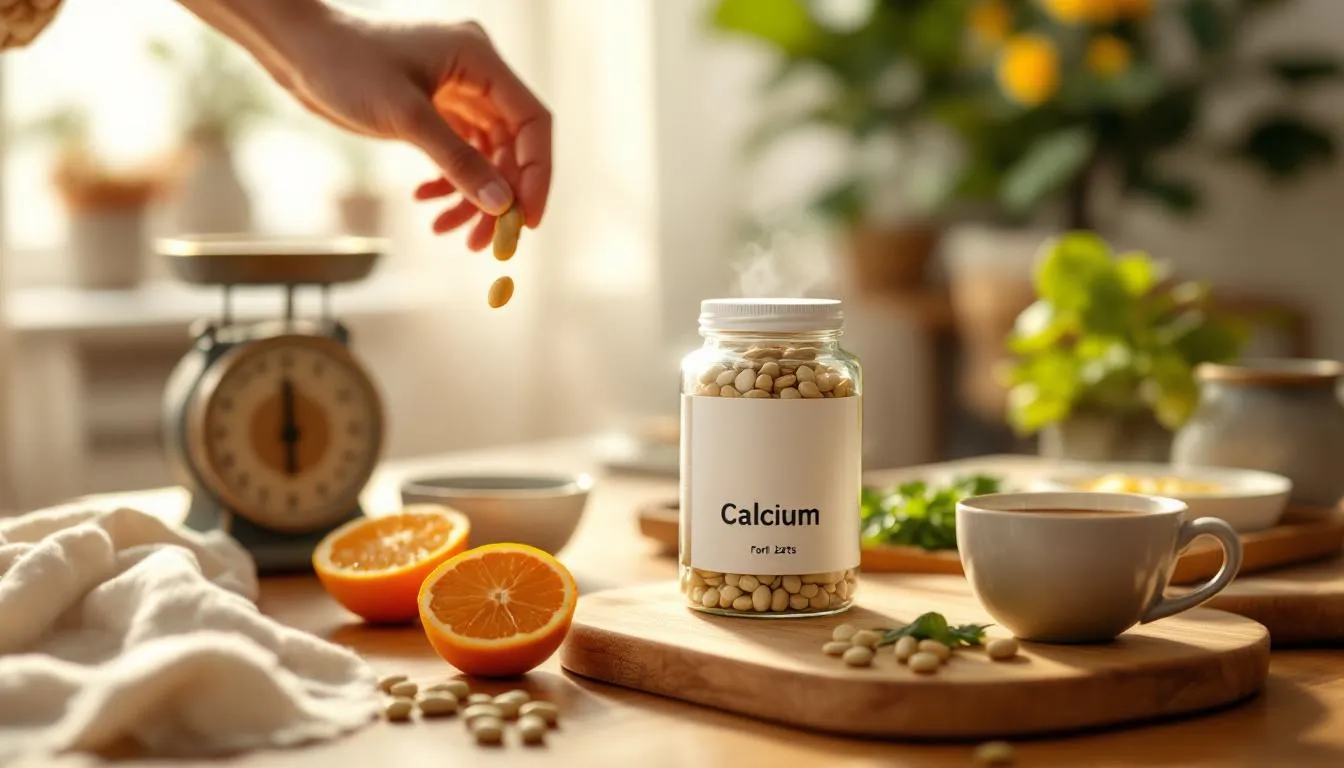
Minerals are vital for health, especially for those over 50.
Increased calcium needs prevent osteoporosis and maintain bone density, while other minerals like magnesium and zinc are also necessary.
Many older adults use multivitamins to address dietary deficiencies.
Adequate mineral intake combined with multivitamins is crucial for overall health and well-being in male adults.
Calcium Carbonate for Bone Strength
Calcium carbonate, a primary form of calcium in supplements, is essential for maintaining bone density and preventing bone loss.
For those over 50, adequate calcium intake is critical for bone health and reducing osteoporosis risk.
When selecting supplements, choose the mineral form, such as calcium carbonate, to support optimal bone health and prevent bone-related issues.
Magnesium for Relaxation and Sleep
Magnesium promotes relaxation and improves sleep quality, particularly beneficial for older adults. It alleviates muscle tension by aiding muscle relaxation and regulating sleep-related hormones.
Incorporating magnesium through diet or supplements enhances relaxation and promotes restorative sleep, contributing to overall well-being.

Zinc for Immune Health
Zinc is crucial for maintaining immune function, particularly important for those over 50, and it helps to focus on essential aspects like wound healing, cellular health, and immune cell development and function.
Incorporating zinc through dietary food or multivitamin supplements bolsters the body’s defenses against illness and supports overall immune health.

Supporting Heart Health with Supplements

Heart health is a priority for those over 50, and certain dietary supplements can significantly aid cardiovascular health.
Supplements like omega-3 fatty acids and folic acid reduce the risk of heart disease and maintain overall cardiovascular function.
Let’s delve into the specific benefits of omega-3 fatty acids and folic acid for heart health.
Omega-3 Fatty Acids
Omega-3 fatty acids, particularly EPA and DHA, offer several health benefits:
- Lower the risk of heart attacks and strokes
- Reduce triglyceride levels
- Lower the risk of heart disease, making them essential for older adults
- Prescription omega-3s can significantly lower triglyceride levels in severe cases.
In summary, omega-3 fatty acids are crucial for maintaining cardiovascular health by reducing triglyceride levels and lowering the risk of heart-related issues in older adults.
Folic Acid for Heart Health
Folic acid reduces homocysteine levels, associated with an elevated risk of heart disease. Supplementing with folic acid is linked to a reduced risk of strokes and cardiovascular diseases, especially in those with lower baseline folate levels.
By lowering homocysteine levels, folic acid helps reduce the risk of heart disease and promotes overall heart health.
Enhancing Skin Health and Beauty

As we age, skin changes, and supplements promoting skin health become great beneficial for happy people.
These supplements improve skin hydration, reduce fine lines, and combat aging signs. For those over 50, maintaining skin health and enhancing beauty contributes to overall well-being and confidence.
Let’s explore the benefits of collagen supplements and selenium for skin protection, key players in maintaining youthful and healthy skin.
Collagen Supplements
Collagen, a vital protein, maintains skin health, especially as we age. Studies indicate collagen supplements significantly enhance skin hydration and elasticity, reducing visible wrinkles.
They may also improve skin firmness and texture, contributing to a youthful appearance.
Incorporating collagen through dietary supplements can help mitigate the visible effects of aging, such as wrinkles and reduced elasticity, making it a valuable addition to your skincare routine.
Selenium for Skin Protection
Selenium is a potent antioxidant with several benefits for the skin:
- Protects the skin from oxidative stress and prevents premature aging.
- Shields the skin from environmental damage.
- Supports the skin’s immune response, making it crucial for skin health.
- By preventing oxidative damage, it slows aging and helps maintain a youthful appearance.
Incorporating selenium through dietary supplements significantly enhances skin health and protects it from oxidative stress, as it acts to combat these harmful effects.
Eye Health and Nutrition
A recent focus on maintaining eye health – particularly as we get older – is a timely reminder that vision care really is quite simply fundamental to overall wellbeing.
Nutrition, it turns out, plays a surprisingly vital role in supporting healthy vision, and certain nutrients are (unfortunately) not as abundant in our typical diets as they should be for protecting the eyes from age-related changes.
There is an important point here though.
Vitamin C acts as what research describes as a 'powerful antioxidant', helping to protect the eyes from oxidative stress and supporting the health of blood vessels in the eyes (which, quite simply, are crucial for maintaining vision).
Zinc is another nutrient that – while often overlooked – contributes to normal vision and helps maintain the health of the retina.
By including these nutrients in your daily routine through targeted supplementation, you can indeed help 'tip the scales' in favour of your eye health, reduce the risk of age-related eye problems, and maintain your overall wellbeing.
Good nutrition, combined with thoughtful supplementation, unfortunately can't work miracles – but it certainly represents a proactive way to care for your vision as you age.
Vitamin Interactions and Side Effects
While multivitamin 'supplements' are indeed formulated to be safe and effective, there's a very important reality check here though – it's quite simply essential to be aware of potential interactions and side effects!
Some vitamins and minerals can indeed interact with each other (or with medications you may be taking).
Take calcium carbonate, for example – it can actually interfere with the absorption of iron supplements if taken together, and high doses of vitamin C may cause stomach upset in some individuals. It's that straightforward.
To ensure you're getting the most real benefit from your vitamins and minerals – and not just ticking a health box – always follow the recommended dosage and consult with your doctor if you have any concerns or are taking other medications.
Your healthcare provider can help you choose the right multivitamin and advise you on how to take it safely (because let's face it, even 'safe' supplements aren't created equal!).
Being informed about possible interactions and side effects is quite simply an important part of maintaining your health and making the most of your supplement routine – there's no getting around that fundamental truth.
Doctor-formulated options, like Lifeguard Essentials, are designed specifically for 45+ New Zealanders
Tips for Incorporating Supplements into Your Routine
Incorporating supplements into your daily routine can be challenging, but consistency is key. Here are some tips to help manage your supplement intake:
- Start simple” (e.g. one core multivitamin + key extras like vitamin D or magnesium
- Take supplements at the same time each day to help establish a habit.
- Use a weekly pill organizer to ensure you don’t miss a dose, especially if you travel or tend to forget.
- Set phone reminders or place supplements in visible spots to help manage intake.
Integrating supplements into an established everyday routine, like taking them with meals or alongside other habits, makes eating easy to remember. Using liquid forms or crushing tablet can help those who find pills difficult to swallow.

Consulting with a Doctor
Consulting a healthcare professional is essential before started any new supplement regimen.
Everyone has unique health needs based on medical history, lifestyle, and specific health concerns, making personalized advice crucial.
New supplements can interact with existing medications, leading to adverse effects or reduced therapy effectiveness.
Professional guidance helps identify the most beneficial supplements formulated to your needs, ensuring your care purchase regimen is safe and found effective.
Best Time to Take Supplements
Timing your supplements correctly can enhance their effectiveness. For instance, magnesium regulates neurotransmitters, reducing anxiety and improving sleep quality. It promotes relaxation and reduces stress and muscle tension, making it especially beneficial for older adults.
For optimal absorption and effects, take magnesium in the evening to aid relaxation and sleep.
Planning the timing and conditions for taking supplements can significantly enhance adherence to your regimen.
Online Resources and Shopping
The landscape of online 'supplementation' purchasing has evolved considerably, with digital platforms now offering unprecedented access to quality nutritional products (particularly through established providers such as Blackmores).
The reality is quite simply this: Blackmores has positioned itself as a clinically-focused provider, offering a comprehensive range of multivitamins and evidence-based dietary supplements through their digital platform - making it considerably more straightforward for health-conscious individuals to identify products that align with their specific nutritional requirements.
Their commitment to pharmaceutical-grade quality standards and evidence-based formulations ensures that consumers can navigate their purchasing decisions with confidence, knowing they're selecting from a provider with established credibility in the nutraceutical space.
The Blackmores digital interface demonstrates thoughtful design principles, allowing users to systematically browse their complete product portfolio, access detailed compositional information, and execute secure transactions from their preferred environment.
Should guidance be required (and it often is, given the complexity of individual nutritional needs), their customer service infrastructure provides knowledgeable support for product-specific inquiries.
When engaging in online supplement procurement, the fundamental principle remains unchanged: always prioritise established brands that demonstrate verifiable commitment to quality assurance and evidence-based customer satisfaction protocols - this approach ensures you can maintain confidence in your investment while focusing your attention on the essential goal of optimising your long-term health and wellbeing outcomes.
Summary
As we age, ensuring adequate intake of essential vitamins and minerals becomes increasingly important. From Vitamin D for bone health to Vitamin C for immune support, and from omega-3 fatty acids for heart health to collagen for skin beauty, each supplement plays a vital role in maintaining our health and well-being.
Multivitamin supplements can fill nutritional gaps, and consulting with a healthcare professional ensures that your supplement regimen is safe and tailored to your needs.
If you’re over 50 in NZ, focusing on these 5 vitamins is a simple, evidence-based way to support your health
Embrace the journey to better health with the right dietary supplements, and take charge of your vitality and well-being.
Remember, it’s never too late to invest in your health and enjoy life to the fullest!
Frequently Asked Questions
Why do individuals over 50 need more vitamins and minerals?
Individuals over 50 require more vitamins and minerals due to changes in metabolism and nutrient absorption that occur with age. Increasing these nutrients is vital for maintaining health, preventing chronic diseases, and supporting the body's aging process.
What are the benefits of Vitamin D for older adults?
Vitamin D is vital for older adults as it boosts calcium absorption, crucial for maintaining bone density and preventing fractures. Ensuring adequate levels can significantly enhance overall bone health.
How can multivitamin supplements benefit individuals over 50?
Multivitamin supplements can effectively support overall health for individuals over 50 by filling nutritional gaps and enhancing heart health, immune defenses, and cognitive function. This proactive approach can contribute significantly to maintaining well-being in later years.
What role does magnesium play in promoting sleep for older adults?
Magnesium plays a crucial role in promoting sleep for older adults by alleviating muscle tension and regulating sleep-related hormones, ultimately enhancing sleep quality and facilitating relaxation. Incorporating magnesium in the evening can help achieve more restorative sleep.
Why is it important to consult with a healthcare professional before starting supplements?
It's crucial to consult with a healthcare professional before starting supplements to ensure safety and appropriateness for your specific health needs. This personalized guidance helps to identify beneficial options while avoiding harmful interactions with medications.
Related guide
Want the full framework for steady energy after 50? Read Energy After 50: Why You’re Tired and What Actually Helps .