
Top Immune System Booster for Older Adults: Strengthen Your Health
Wondering how to boost your immune system as an older adult? As we age, our immune system naturally weakens, making us more prone to infections and slower to bounce back. In this guide, we’ll walk through practical ways to strengthen your immune health – from diet, sleep and movement to key vitamins, probiotics and vaccinations – and where a daily immune support supplement in NZ like Lifeguard Immune can fit in as a simple immune system booster for older adults.
Key Takeaways
- The aging immune system becomes less effective, leading to increased susceptibility to illnesses and longer recovery times, necessitating proactive health measures.
- Lifestyle choices such as quality sleep, regular exercise, and a nutrient-rich diet are key strategies for older adults to naturally boost their immune health.
- Regular vaccinations and managing stress levels are essential for enhancing immune defense and maintaining overall well-being in older adults.
Meet Lifeguard Immune: Daily Immune Support for Older Adults
If you’re looking for a simple way to support your immune health every day, Lifeguard Immune is our doctor-formulated immune support supplement for adults 45+. It combines vitamin C, zinc and key botanicals chosen to support immune function as you age, so you can feel more resilient through busy seasons, travel and everyday life.

Understanding the Aging Immune System
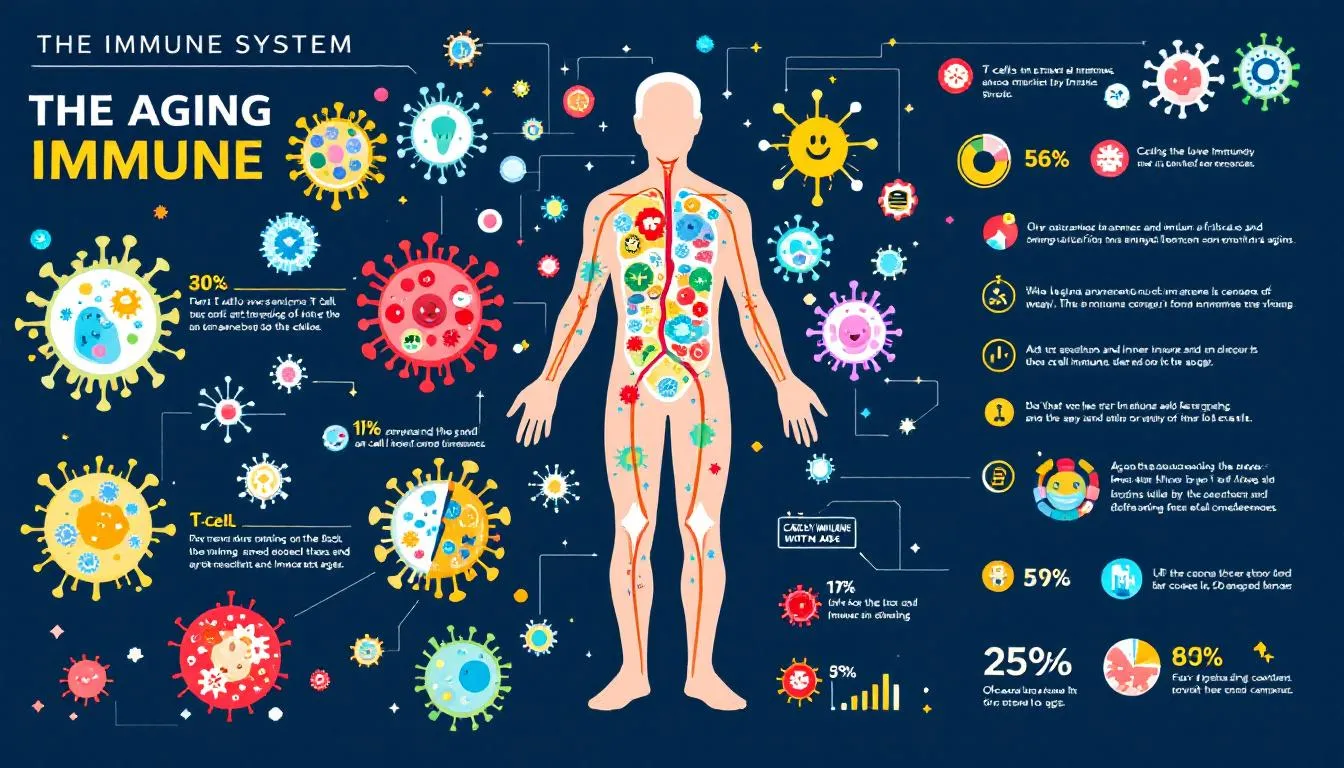
Ageing brings wisdom and experience, but it also brings challenges for the immune system. As we grow older, our immune response slows down, making us more vulnerable to infections and slower to recover.
Over time, the immune system becomes less efficient at spotting and correcting cellular problems. That’s one reason conditions like heart disease, autoimmune issues and some cancers become more common with age. Low-level inflammation also tends to increase, which can further complicate immune health.
This slower response is due to a decrease in the production and function of immune cells, which leads to a longer healing process and more pronounced symptoms from common illnesses like the cold, especially as we experience the ages.
Moreover, the immune system’s ability to identify and address cellular defects diminishes with age, increasing the risk of conditions such as heart disease, Alzheimer’s, and autoimmune disorders where the immune system mistakenly attacks healthy tissues.
The immune system also plays a critical role in detecting and eliminating cancer cells, and age-related decline increases the risk of cancer. Low-level inflammation becomes more common, further complicating immune health and increasing susceptibility to a range of diseases.
The complexity of the immune system makes it difficult to pinpoint a specific point or part of the system, as it is widespread and diffuse throughout the body, which also makes determining the exact number and activity levels of immune cells for optimal immune system function challenging.
However, understanding these changes is the first step in taking proactive measures to support and strengthen your immune system naturally.
Recognizing Signs of a Weakened Immune System
Recognizing the signs of a weakened immune system is crucial for taking timely action.
One of the most telling signs is the frequency of illnesses.
If you often find yourself battling colds or other infections, it might indicate a compromised immune system.
Symptoms like a runny nose are common during these infections and may persist longer in older adults due to a slower immune response.
Additionally, longer recovery times from illnesses like the flu are common as the body’s immune response weakens with age.
Another indication of weakened immunity is a reduced response to vaccines.
Older adults often exhibit diminished immune responses to vaccinations, which can make them more vulnerable to infection, especially as age-related immune decline increases the risk of infectious diseases.
This highlights the importance of regular vaccinations, such as those for flu and pneumonia, and other immune support measures to reduce the risk of severe health complications.
Being aware of these symptoms and taking steps to prevent them can significantly boost your immune health and enhance your overall well-being.
Natural Ways to Boost Your Immune System

Boosting your immune system naturally involves making informed lifestyle choices. Diet, exercise, and stress management are critical components of a healthy immune system.
Maintaining balance within the immune system is also essential for optimal health, as it helps support natural defenses and prevents disruption of immune responses.
Prioritizing quality sleep, regular exercise, and a nutrient-rich diet are key strategies to naturally strengthen your immune system.
Good nutrition and healthy diets that focus on whole, minimally processed foods play a vital role in supporting immune function and reducing the risk of disease.
These strategies, though seemingly simple, can make a significant difference in strengthening your immune health.
Prioritizing Quality Sleep
Quality sleep is crucial for a healthy immune system. It enhances the production of immune cells that protect against infections, thus maintaining and enhancing immune function. Sleep deprivation can significantly weaken the immune response, leaving you more susceptible to illnesses.
Good sleep hygiene practices, like a consistent sleep schedule, a restful environment, and limited screen time before bed, can improve sleep quality and strengthen your immune system.
Engaging in Regular Exercise
Regular physical activity is linked to numerous health benefits, including improvements in immune response and overall health. Moderate cardiovascular exercise for at least 150 minutes weekly, along with two strength training sessions, can significantly enhance immune function.
Regular physical activity also plays a significant role in stress management, another key factor for immune support. Staying active strengthens your body and naturally boosts your immune system, so it’s important to stay strong.
Eating a Nutrient-Rich Diet
A balanced, nutrient-rich diet supports immune health. Vitamins such as Vitamin D, Vitamin C, and minerals like zinc are crucial for the development and function of immune cells. Incorporating a variety of fruits, vegetables, whole grains, and lean proteins can provide the necessary nutrients to boost your immune system.
Older adults should eat a variety of foods rich in antioxidants, such as fruits and vegetables, to support immune function and help prevent illness.
Gut health is vital since the gut microbiome significantly influences immune function.
Eating foods rich in probiotics and prebiotics can support a healthy gut and, by extension, a robust immune system.
Additionally, trace minerals like selenium are important for supporting cellular immune responses and overall immune health.
Essential Vitamins and Minerals for Immune Support
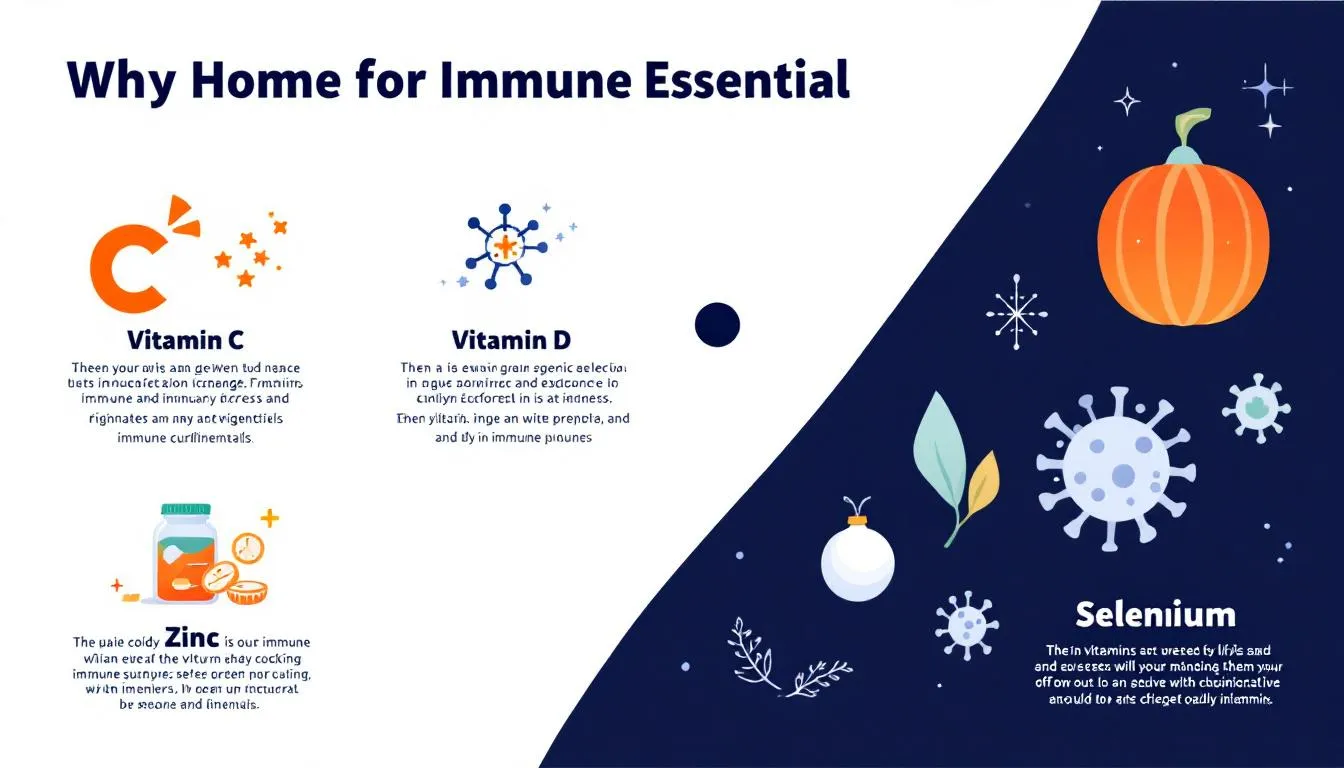
Vitamins and minerals are foundational for a well-functioning immune system.
Deficient essential nutrients can lead to weakened immunity and altered cellular immune responses.
Understanding which vitamins and minerals are critical can help you make informed choices about dietary intake and supplementation.
It is also important to consider the efficacy of different supplements and dietary interventions when supporting immune health in older adults.
We’ll explore the importance of Vitamin D, Vitamin C, and Zinc in more detail, providing insights into how they support immune health and where you can find them in your diet.
Vitamin D
Vitamin D is crucial for maintaining a healthy immune system, as it modulates immune responses and reduces inflammation.
Natural food sources of Vitamin D include fatty fish, egg yolks, and fortified dairy products.
For individuals aged 70 and under, the suggested daily intake is 600 IU. This amount is important for maintaining adequate health.
Consult a healthcare professional before starting Vitamin D supplements to determine the appropriate dosage for your needs.
Vitamin C
Vitamin C, also known as ascorbic acid, is an essential antioxidant nutrient for enhancing immune function.
It helps the body recover from colds more quickly and supports various immune activities. Citrus fruits, strawberries, and bell peppers are excellent sources of Vitamin C.
However, avoid high doses over 2000 milligrams for long periods, as excessive intake can have adverse effects.
Zinc
Zinc plays a vital role in multiple immune functions, including the development and activity of immune cells such as T-cells and macrophages. Foods rich in zinc include:
- meat
- shellfish
- legumes
- seeds.
An effective dosage for immune support ranges from 13 to 23 milligrams taken several times a day, but always consult with a healthcare professional before starting any new supplement.
The Role of Probiotics in Immune Health
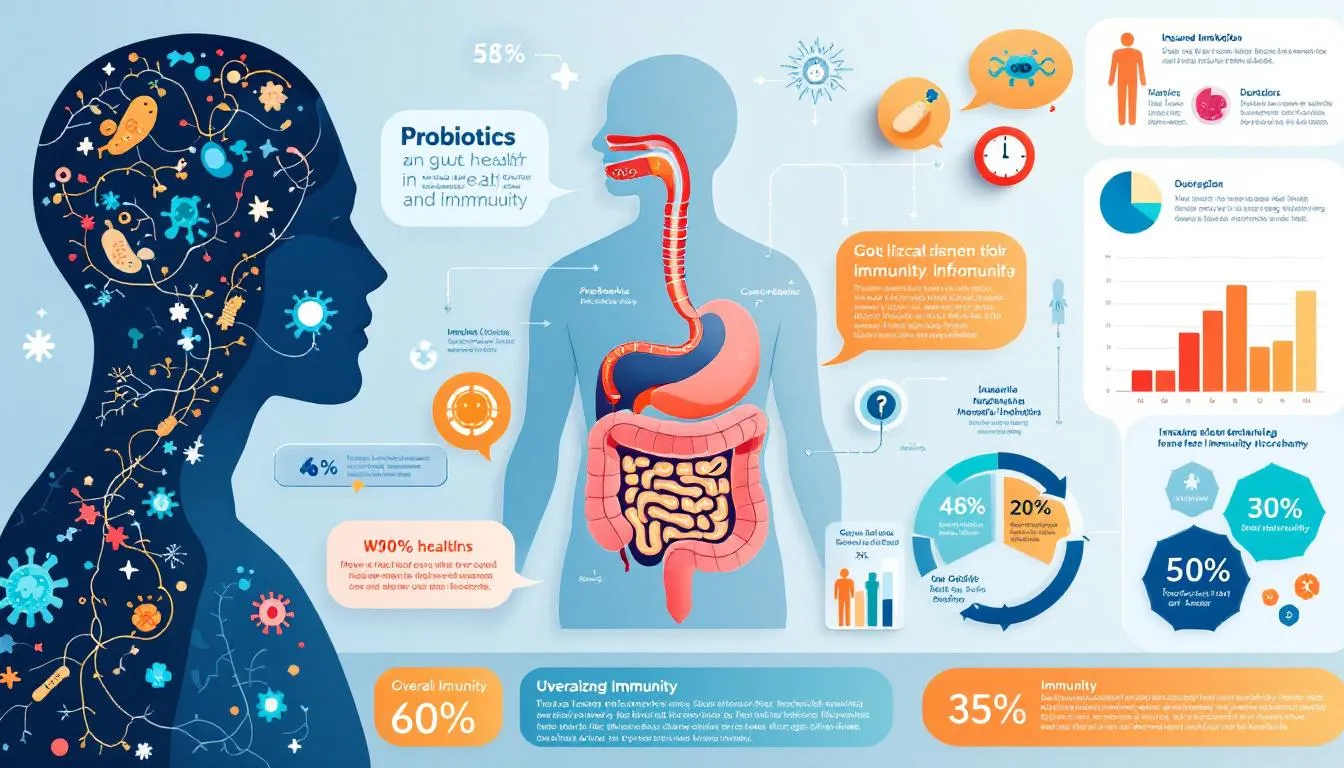
Probiotics, or beneficial bacteria, play a significant role in supporting the immune system.
They enhance immune system functions by stimulating interactions between immune cells and gut microbiota.
The gut-associated lymphoid tissue (GALT) is crucial in mediating immune responses, making the gut a central area for immune activity.
Probiotics can also increase the production of immunoglobulin A (IgA), an antibodies essential for mucosal immunity, and induce the secretion of cytokines that regulate immune responses.
Including probiotics in your diet through yogurt, kefir, and other fermented foods can provide these health benefits.
Immunity Supplements and Health Benefits
Immunity supplements are specially formulated to support and strengthen the body's 'defense system' - making them an increasingly popular choice for those of us in our later years who are serious about maintaining our health and keeping infectious diseases at bay.
A robust immune system is, quite simply, essential for fighting off infections and keeping our bodies resilient against the variety of threats we face - and this becomes even more critical as we age.
These 'immunity boosters' often contain a carefully selected combination of essential vitamins, minerals, and beneficial bacteria that work together in what can only be described as a coordinated effort to enhance our immune health.
Key nutrients - the vitamins and minerals our bodies desperately need - play an important role in supporting immune system function, helping those all-important immune cells respond effectively when threats arise.
Then there are the beneficial bacteria (think probiotics) that contribute to a healthy gut environment, which research increasingly shows is intimately linked to our overall immune function.
By providing our bodies with these essential substances, immunity supplements can help fill those nutritional gaps that inevitably appear in even the best of diets, support our natural defenses, and strengthen our 'immune response capacity'.
This becomes particularly important for those of us who have reached our golden years - we're often at higher risk for infections and may find ourselves with increased nutritional needs that our regular meals simply can't meet.
There's an important caveat here though. While immunity supplements can offer valuable support, it's crucial to remember that they work best as part of a 'balanced health strategy'.
The simple truth is that combining supplements with a nutrient-rich diet, regular exercise, and other healthy lifestyle habits will provide the most comprehensive benefits for our immune health - supplements work best alongside healthy habits!
Always consult a healthcare professional before starting any new supplement to ensure it's appropriate for your individual circumstances and to maximize the health benefits for your unique immune system needs.
For many older adults, it can be hard to consistently get all of these nutrients from food alone. That’s where a daily immune support supplement can help fill the gaps. Lifeguard Immune was created as a gentle, doctor-formulated immune system booster for older adults – combining key vitamins, minerals and botanicals in one simple capsule.
Vaccinations: A Key Component of Immune Support

Vaccinations are essential for older adults as they enhance immune defense against severe infections during flu season.
Vaccines help protect against viruses such as influenza, RSV, and pneumonia, which can be particularly dangerous for older adults.
Regular vaccinations, such as the annual flu shot, are crucial in preventing serious health complications like pneumonia.
As we age, the effectiveness of vaccines may diminish, necessitating regular updates to maintain protection.
Ensure you stay up-to-date with recommended vaccinations to support your immune health.
Managing Stress for Better Immunity
Chronic stress can significantly weaken the immune system by lowering the number of white blood cells that fight infections.
The harmful effects of stress accumulate over time, making it essential for older adults to adopt effective stress management techniques.
Healthy coping mechanisms can reduce stress levels and improve immune function. These include:
- Socializing
- Engaging in enjoyable activities
- Mindfully replacing negative thoughts with positive ones Adopting these practices can enhance overall well-being and strengthen your immune system.
Common Myths About Immune Boosters
Many misconceptions surround immune boosters, with some people believing that products or supplements can create a ‘super-charged’ immune system.
However, no scientifically validated methods exist for making the immune system more aggressive through supplements or superfoods.
Consulting healthcare professionals can help clarify these misconceptions and ensure you make informed decisions about immunity supplements.
Understanding that more isn’t necessarily better with vitamins and supplements is important.
Consulting Healthcare Professionals
Before starting new supplements or making significant health changes, consulting with a healthcare professional is vital to ensure safety and suitability.
Healthcare providers can offer personalized advice based on individual health needs and help avoid potential interactions with existing medications.
Face-to-face consultations are preferred for discussing dietary supplement use, as they allow for thorough evaluation and tailored recommendations.
Summary
Summarizing the key points, it’s evident that maintaining a healthy immune system requires a multifaceted approach.
Prioritizing quality sleep, regular exercise, a nutrient-rich diet, essential vitamins and minerals, probiotics, vaccinations, and effective stress management are all crucial steps in ensuring robust immune health.
By taking these proactive measures and consulting healthcare professionals, older adults can strengthen their immune systems and enjoy a higher quality of life. For some, adding a daily, doctor-formulated immune support supplement can be a simple way to stay consistent.
It’s time to take charge of your health and boost your immune system naturally – through smart lifestyle choices and, if appropriate, targeted support like Lifeguard Immune.
It’s time to take charge of your health and boost your immune system naturally.
Frequently Asked Questions
How does aging affect the immune system?
Aging negatively impacts the immune system by slowing response times, reducing immune cell production, and increasing inflammation.
As a result, older adults face a higher vulnerability to illnesses.
What are common signs of a weakened immune system?
Common signs of a weakened immune system include frequent illnesses, prolonged recovery periods, and diminished responses to vaccinations.
Recognizing these symptoms is important for maintaining your health.
How can I naturally boost my immune system?
To naturally boost your immune system, prioritize quality sleep, engage in regular exercise, and consume a nutrient-rich diet.
These lifestyle choices play a crucial role in enhancing your overall health and immunity.
Why are vaccinations important for older adults?
Vaccinations are crucial for older adults as they boost immune defenses against severe infections and help prevent serious health complications, including pneumonia.
Therefore, staying up to date with vaccinations is essential for their health and well-being.
Should I consult a healthcare professional before taking immune supplements?
Yes, it is advisable to consult a healthcare professional before taking immune supplements to ensure their safety and effectiveness for your specific health circumstances.
Try Lifeguard Immune — your first month free
Daily, doctor-formulated immune support designed for healthy ageing. Start your first month free and pay only shipping.
Claim Your First Free MonthFirst month free offer applies to eligible subscription orders. Shipping charges apply. Supplements support general wellbeing and are not intended to diagnose, treat, cure or prevent disease.
Related guide: Immune Resilience in Midlife: A Guide for Adults Over 40