
Turmeric Supplement NZ: Benefits & Safety; Best Options for Kiwis
Quick Answer: Should You Take a Turmeric Supplement in New Zealand?
Quick Answer: Turmeric/curcumin supplements may support a healthy inflammation response and joint comfort, but they’re not for everyone. If you take certain medications (especially blood thinners), have gallbladder issues, or are preparing for surgery, you should check with a health professional before starting.
Jump to what matters most:
- Who should avoid turmeric supplements
- Medication interactions to watch for
- How to choose a safe, quality product in NZ

Turmeric supplement NZ options—particularly those containing curcumin with black pepper for enhanced absorption—have become a popular wellness choice across New Zealand for joint support, heart health, and general anti-inflammatory benefits.
This guide is for New Zealanders considering turmeric supplements for joint health, inflammation, or general wellness. We cover the benefits, safety, types, and how to choose the best turmeric supplement in NZ, so you can make an informed decision.
Turmeric and curcuma have historically been used in traditional medicine to treat various health conditions, highlighting their therapeutic applications and potential health benefits.
However, they’re not a cure-all, and whether you should take one depends entirely on your individual circumstances.
Kiwis who might benefit most from turmeric supplements include adults experiencing mild osteoarthritis symptoms, athletes dealing with joint discomfort after training, and those with inflammatory conditions who are working alongside their GP.
For these groups, research suggests turmeric curcumin formulations may offer meaningful support, with some clinical trials showing curcumin works comparably to ibuprofen for knee osteoarthritis pain.
That said, food sources of turmeric are generally safer for everyday use. The turmeric spice you add to curries and golden lattes provides gentle benefits without the concentrated risks that come with high-dose capsules.
When you move to the concentrated supplements sold in NZ pharmacies and online retailers, you’re dealing with significantly higher doses that carry increased potential for side effects and medication interactions.
In the New Zealand market, you’ll find local brands like Good Health, Nutra-Life, and Radiance alongside imported options from US and UK manufacturers available through iHerb and Amazon AU.
These products vary considerably in strength, absorption technology, and price—differences that genuinely matter for efficacy. Popular turmeric supplement brands in New Zealand include GO Healthy, Good Health, Solgar, Healtheries, and Doctor's Best, and they differ in formulation and bioavailability.
One critical note: if you’re on blood thinners, diabetes medications, or if you have gallstones or liver disease, talk to your GP or pharmacist before starting any turmeric dietary supplement.
The anti coagulant medication interactions alone make this consultation essential for your safety.
High-quality turmeric supplement brands often use advanced technologies like Meriva® or CurcuWIN® to improve bioavailability.
Turmeric products marketed as dietary supplements in New Zealand are not assessed by Medsafe for compliance with therapeutic claims before sale.
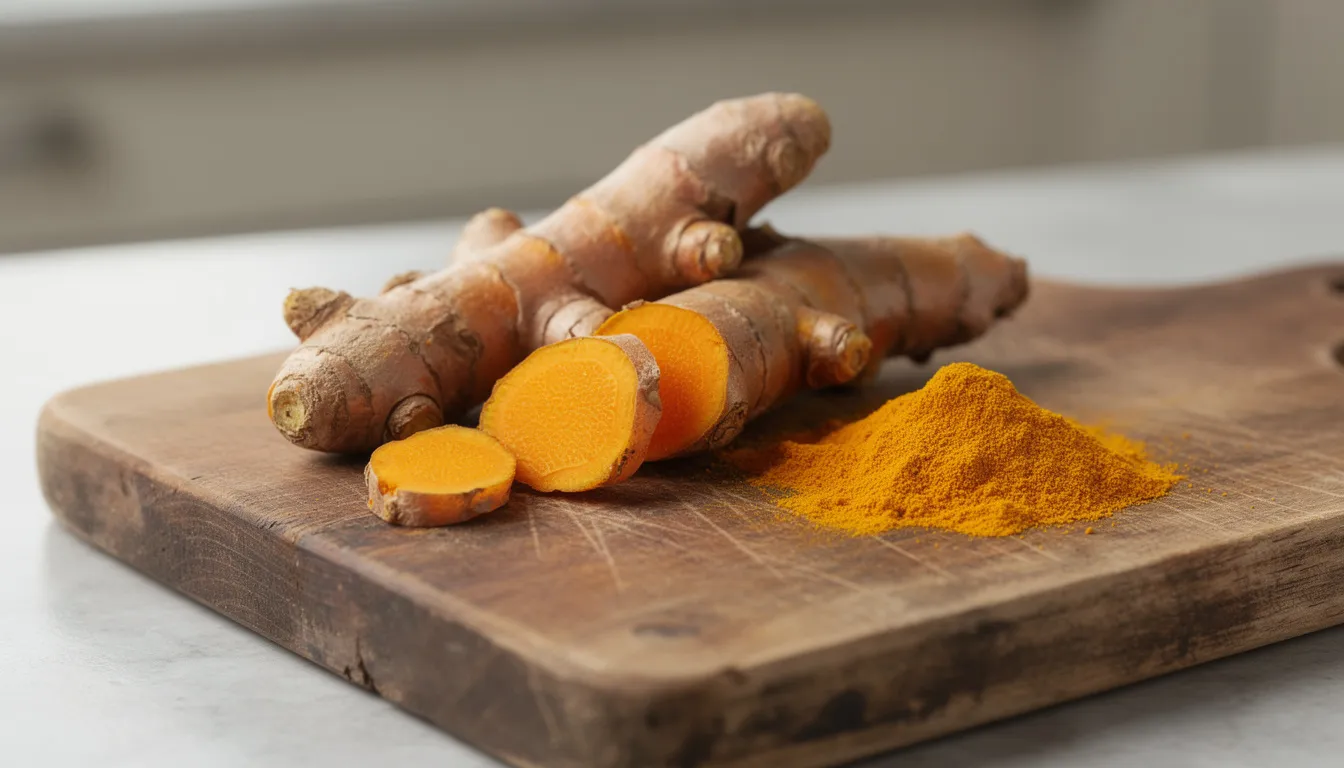
What Is Turmeric and Curcumin?
Turmeric is the bright yellow-orange rhizome from the Curcuma longa plant, a staple in Indian and Southeast Asian cooking that has become increasingly common in NZ supermarkets over the past decade.
Walk through Countdown, New World, or Pak’nSave and you’ll find it in multiple forms—fresh root in the produce section and dried ground turmeric on the spice aisle.
The plant belongs to the ginger family, which explains why fresh turmeric root looks remarkably similar to its cousin.
New Zealand imports turmeric largely from India and Southeast Asia, with the spice forming a key ingredient in curry powders, mustards, and increasingly, wellness products marketed to health-conscious Kiwis.
The active ingredient in turmeric is curcumin, which has antioxidant and anti-inflammatory properties.
Here’s where many people get confused: turmeric and curcumin aren’t the same thing.
Key definitions to understand:
- Turmeric is the whole plant rhizome, used as a food and spice
- Curcumin is the primary active polyphenol compound that gives turmeric its distinctive colour and many of its researched health properties
- Curcuminoids refers to the family of compounds including curcumin, demethoxycurcumin, and bisdemethoxycurcumin
When you use ground turmeric in cooking, you’re getting approximately 2–5% curcumin content. Standardised turmeric extract in supplements, by contrast, can contain up to 95% curcuminoids—a dramatically different concentration that explains why supplement effects can differ from adding a teaspoon of spice to your dinner.
This distinction matters because other natural compounds in whole turmeric may also contribute to health benefits, which is why some practitioners recommend whole turmeric extracts like BCM-95 rather than isolated curcumin alone.
Traditional and Modern Uses of Turmeric
Turmeric has a documented history spanning thousands of years in Ayurvedic and traditional Chinese medicine systems.
Practitioners used it to support digestive health, ease respiratory complaints, improve skin conditions, and provide joint comfort long before modern clinical trials began examining these claims.
This traditional knowledge has translated into modern NZ usage in interesting ways. Wander through Auckland or Wellington and you’ll spot turmeric lattes—often called “golden milk”—on café menus. Health food stores stock turmeric shots and juices alongside fresh produce, while organic shops carry turmeric powder marketed for everything from smoothies to face masks.
The difference today is that modern research tends to focus on standardised curcumin supplements rather than the whole spice your grandmother might have used in her cooking.
Health Benefits of Turmeric and Curcumin
Before diving into specific health benefits, it’s important to understand that most clinical evidence comes from studies using standardised curcumin at doses often higher than what you’ll find in typical NZ supplements.
Results across studies are mixed, and what works in a laboratory setting doesn’t always translate perfectly to real-world supplementation.
That said, research has identified several promising areas where turmeric and curcumin may offer genuine support.
Anti-inflammatory Effects
Curcumin appears to modulate inflammatory pathways in the body, particularly the NF-κB pathway involved in chronic low-grade inflammation.
This mechanism may help explain why some people with arthritis and metabolic disorders report benefits.
Research has shown curcumin supplements can reduce inflammatory markers like IL-6 and IL-8 in clinical settings.
Antioxidant Properties
Curcumin has demonstrated capacity to neutralise free radicals and support the body’s own antioxidant enzyme systems.
One study found that participants taking turmeric showed significant increases in urinary antioxidant power and total polyphenol levels, suggesting measurable improvements in antioxidant status.
Joint and Musculoskeletal Health
This is where evidence becomes particularly relevant for many NZ consumers. Research suggests modest improvements in knee osteoarthritis pain and function compared with placebo.
Notably, one significant study found that turmeric extract supplements worked just as well as ibuprofen in patients with knee osteoarthritis—a comparison that resonates with anyone looking for natural alternatives to standard pain relievers.
BCM-95, a formulation specifically available in New Zealand, has demonstrated significant anti-inflammatory and anti-arthritic effects in clinical trials, proving as effective as non-steroidal anti-inflammatory medications in patients with rheumatoid arthritis.
Emerging Research Areas
Scientists are actively investigating turmeric’s potential roles in:
- Mood support (depression, anxiety)
- Metabolic health (blood lipids, insulin sensitivity)
- Brain function and cognitive decline prevention
A particularly striking finding from metabolic research: in a nine-month study examining curcumin supplements in prediabetic patients, over 16% of the placebo group developed Type 2 diabetes, while zero percent of the curcumin group progressed to the disease.
While this is just one study, it suggests potential benefits worth further investigation.
How Strong Is the Science?
When evaluating turmeric research, it’s crucial to distinguish between different types of evidence.
Human clinical trials—particularly randomised, placebo-controlled studies—provide the strongest support.
Many impressive effects observed in animal and test-tube studies occur at doses far higher than what you’d get from most over-the-counter NZ products.
Key limitations to keep in mind:
- Many studies involve relatively small sample sizes (some with just 20-30 participants)
- Trial durations are often short (2-12 weeks), making long-term effects uncertain
- Extract quality and bioavailability vary significantly between studies
- Some research is industry-funded, introducing potential bias
Major health organisations still view turmeric and curcumin as complementary rather than primary treatment for serious conditions like cancer, cardiovascular disease, or major depressive disorder.
The most honest summary: useful as an adjunct, not a replacement for prescribed medicines and lifestyle changes.
Importance of Black Pepper Extract for Absorption
If you've ever found yourself wondering why so many high-quality turmeric 'supplements' in New Zealand include black pepper extract, the answer - quite simply - comes down to one crucial word: absorption.
Curcumin, the powerhouse compound in turmeric, has impressive health benefits for joint support, inflammation, and antioxidant properties, but here's the thing - it's notoriously difficult for the body to absorb on its own!
This is where black pepper, specifically its active ingredient piperine, makes all the difference.
There is compelling research here though that shows piperine can boost the bioavailability of curcumin by up to an impressive 2,000%. In practical terms - and this is where it gets interesting for those of us seeking real health benefits - this means your body can actually use and benefit from the curcumin in your supplement, rather than letting it pass through unused.
For anyone taking turmeric supplements for joint pain, further joint support, or to help manage inflammation, this enhanced absorption is quite simply essential for seeing real results.
Including black pepper extract in your dietary 'supplement' doesn't just help with joint health - it also supports liver function and maximises the antioxidant properties of turmeric curcumin.
This combination is especially valuable for those of us seeking extra total body support as part of a balanced diet, whether you're managing mild osteoarthritis, looking for more curcumin to support your body's natural defences, or simply aiming for good health as you age.
When shopping for curcumin supplements in NZ - and this is where careful consideration becomes important - always read the label to ensure black pepper extract (often listed as piperine) is included.
This small addition can make a big difference in how much benefit you get from each dose!
Also, look for products that avoid artificial flavours and artificial sweeteners, and choose reputable brands that clearly state their active ingredients and dosages.
There is a very important consideration here though. As with any supplement, it's important to consult your healthcare professional before starting, especially if you're taking blood thinners, managing multiple health conditions, or if symptoms persist after taking turmeric.
High doses of curcumin can interact with certain medications - so professional guidance quite simply ensures you're using these 'supplements' safely and effectively.
In summary, pairing turmeric with black pepper extract is a simple but powerful way to unlock the full health benefits of turmeric curcumin.
For those of us interested in exploring all available opportunities to support our joint health, manage inflammation, and boost overall wellbeing, this combination can indeed be a valuable addition to help you get the most from your supplement regimen.
Turmeric Supplements in NZ: Types, Strengths and Absorption
New Zealanders can purchase turmeric supplements from numerous sources: pharmacies like Chemist Warehouse NZ, Unichem, and Life Pharmacy; supermarket health aisles; dedicated health food stores; and online retailers including those shipping international brands to NZ addresses.
This variety means options, but also confusion about what actually works.
Common supplement forms available in New Zealand:
- Capsules and tablets (most common)
- Liquid extracts and tinctures
- Turmeric powder in bulk containers
- Gummies (increasingly popular)
- Joint care blends combining turmeric with boswellia serrata, white willow bark, glucosamine, or collagen
When shopping, you’ll encounter “standardised extract” labelling—phrases like “95% curcuminoids” or “standardised to 95% curcumin.”
This matters significantly. A supplement containing 500mg of standardised turmeric extract with 95% curcuminoids delivers dramatically more active ingredients than 500mg of plain turmeric powder capsules containing just 2-5% curcumin.
Standard extracts (95% curcuminoids) are often the most affordable but are poorly absorbed; second-generation formulations improve solubility and stability.
The absorption challenge: Supplements for Joints: Complete Guide to Natural Joint Health Support discusses how nutrient absorption impacts the effectiveness of joint health supplements.
Here’s something many supplement labels don’t adequately explain: curcumin has notoriously poor bioavailability.
It’s poorly soluble and your body metabolises it rapidly, meaning much of what you swallow never actually reaches your bloodstream.
Raw milligram numbers on the bottle can be genuinely misleading. Some turmeric supplements now use advanced technology in their extraction process to significantly enhance absorption and efficacy, making them more effective for joint comfort, cardiovascular health, and other systemic benefits.
The NZ market offers several solutions to this problem:
- Black pepper extract (piperine): Can significantly increase absorption when taken together—learn more about the research behind these absorption methods
- Phytosome complexes: Bind curcumin to phospholipids for better uptake
- Branded technologies: CurcuWIN®, Meriva®, Theracumin, and BCM-95 each use different approaches to boost bioavailability
Many supplements also enhance curcumin absorption by including piperine or using liposomal technology, which can improve bioavailability by up to 46 times.
Higher quality supplements typically use patented, high-bioavailability forms of curcumin or include BioPerine to ensure effective utilization.
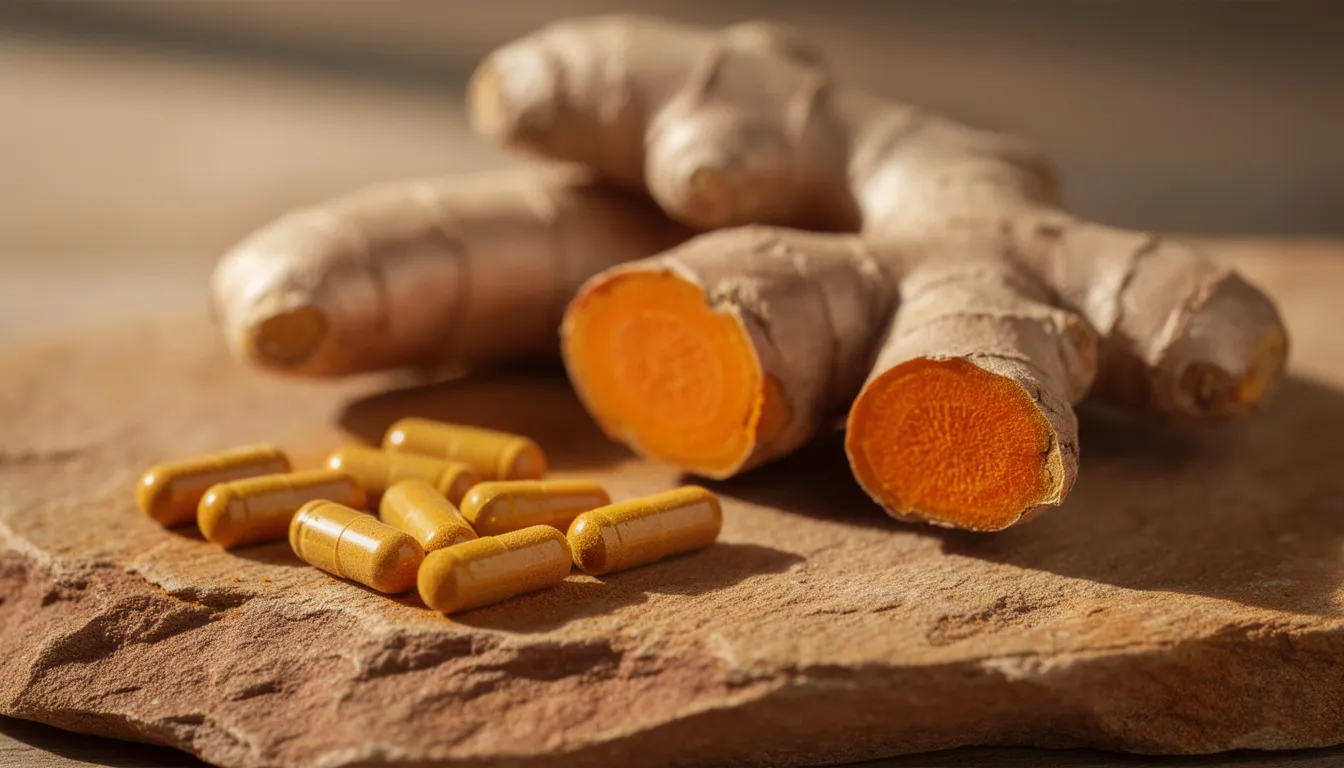
Popular Turmeric Supplement Formulas in New Zealand
Understanding what’s actually available helps you make informed comparisons:
- Good Health Turmeric Extra Strength: Features CurcuWIN® technology (claiming 46x absorption compared to standard turmeric), combined with high quality boswellia (boswellic acid), and white willow bark. Positioned for greater joint comfort and extra total body support.
- Nutra-Life Turmeric: A pharmacy staple combining turmeric with piperine for increased absorption. Multiple strength options available including high strength curcumin formula variants.
- Radiance Turmeric formulations: Often include ginger and black pepper extract, marketed for joint health and anti inflammatory support.
- Imported options: Brands like NOW, Doctor’s Best, and Gaia Herbs are popular with NZ consumers purchasing via online retailers. These often feature high potency 95% curcuminoid standardisation.
Marketing claims you’ll encounter:
- “46x absorption” or similar multiples
- “Extra strength” or “high potency”
- “95% curcuminoids”
- “With black pepper for absorption”
- “Joint comfort support”
- “Powerful formula for joint support”
When comparing products, look at:
- Actual amount of curcuminoids per dose (not just total turmeric weight)
- Presence of piperine or other absorption enhancers
- Additional active ingredients like boswellia, white willow, or ginger that may offer further joint support but also introduce additional interaction considerations
Understanding Dosages and NZ-Specific Guidance
Clinical research has used curcumin at doses ranging from 500mg to 3 grams daily, depending on the condition being studied.
For metabolic conditions like non-alcoholic fatty liver disease, trials typically used 2-3 grams of turmeric daily for 8-12 weeks.
For Type 2 diabetes support, dosages ranged from 500mg to 1,500mg daily.
Most NZ products direct users to take 1-3 capsules daily, with each vege capsule typically containing around 500mg.
Some arthritis research organisations overseas suggest approximately 500mg curcumin 2-3 times daily for symptom support, but NZ consumers should follow local product labels and individual medical advice.
Understanding what’s actually in your supplement:
|
Label Statement |
What It Means |
|---|---|
|
“1,500mg turmeric root” |
Total weight of turmeric powder—may contain only 30-75mg actual curcumin |
|
“500mg curcuminoids” |
Standardised active compound content—what actually matters for effects |
|
“With 10mg piperine” |
Black pepper extract included to increase absorption |
This distinction explains why a “high strength” product with 1,500mg turmeric might deliver less benefit than a smaller-looking 500mg standardised curcumin supplement. Always read the label carefully to understand what you’re actually getting.
More curcumin isn’t always better. Above certain doses, side effect risk increases while benefits may plateau.
Clinical trials documenting improvements in liver function markers, for instance, used moderate dosages consistently rather than megadoses.
Safety, Side Effects and Drug Interactions
Turmeric used as a spice in food is generally safe for most people—including here in New Zealand.
The amounts you’d add to curries, soups, and golden lattes rarely cause problems. Concentrated supplements, however, carry higher risk due to the dramatically increased dosages involved.
Common Side Effects
Common mild side effects at supplemental doses include:
- Nausea and stomach upset
- Bloating and gas
- Diarrhoea
- Acid reflux
- Headache
- Skin rash (in sensitive individuals)
Kidney Stone Concerns
High supplemental doses may increase urinary oxalate, potentially raising kidney stone risk in people already predisposed to forming stones.
Normal food use is unlikely to cause this problem, but if you have a history of kidney stones, discuss supplementation with your doctor.
Gallstones and Bile Duct Obstruction
Curcumin can stimulate bile flow—helpful for some, but potentially dangerous for people with gall stones or existing bile duct obstruction.
If you have gallbladder disease, seek medical advice before taking turmeric supplements.
Bleeding Risk
Turmeric has blood-thinning properties that may increase bleeding risk.
This becomes particularly relevant before surgery or invasive dental procedures, and especially concerning when combined with certain medications.
If symptoms persist after starting a turmeric supplement—particularly abdominal pain, unusual bleeding, or digestive distress—stop taking it and consult your healthcare professional.
Medication Interactions
Drug interactions represent a serious consideration for anyone on regular medications:
Blood thinners and antiplatelet drugs
- Warfarin, aspirin, clopidogrel
- Turmeric may enhance blood-thinning effects, increasing bleeding risk
- Always consult your doctor if taking anti coagulant medication
NSAID pain relievers
- Ibuprofen, diclofenac, naproxen (widely used in NZ)
- Combined use may raise gastrointestinal bleeding risk
- Monitor for signs of stomach upset or dark stools
Paracetamol
- Generally safer, but caution warranted in people with liver disease if also taking high doses of curcumin
- High doses of turmeric supplements may stress liver function
Diabetes medications
- Curcumin may affect blood sugar levels
- Closer monitoring may be needed
- Don’t adjust diabetes medication without medical guidance
Special situations requiring specialist consultation:
- Undergoing chemotherapy
- On immunosuppressants post-transplant
- Taking strong anti-inflammatories for chronic conditions
- Pregnant or breastfeeding
- Planning surgery within two weeks
NZ readers should always read the label and use only as directed. If symptoms persist consult your healthcare professional—this isn’t just legal boilerplate but genuinely good advice given turmeric’s interaction potential with multiple health conditions.
Medication & Health Interactions (Snapshot)
| Situation | Why it matters | What to do |
|---|---|---|
| Blood thinners / anticoagulants | Turmeric may affect bleeding risk | Ask your clinician before use |
| Diabetes medication | May influence blood glucose | Monitor and consult your clinician |
| Gallbladder disease / bile duct issues | Turmeric can aggravate symptoms | Avoid unless cleared medically |
| Surgery planned | Bleeding risk considerations | Stop in advance per clinician advice |
| Pregnancy/breastfeeding | Limited supplement-dose safety data |
How to Choose the Best Turmeric Supplement in NZ
The NZ market offers dozens of turmeric products ranging from budget options to premium formulations. This variety creates confusion, but a systematic approach helps cut through marketing noise.
Turmeric products marketed as dietary supplements in New Zealand are not assessed by Medsafe for compliance with therapeutic claims before sale.
Reading Labels Effectively
- Check whether the label specifies “x mg curcumin/curcuminoids” versus just “x mg turmeric”—the former tells you what actually matters
- Look for mention of absorption enhancers: black pepper extract, piperine, phospholipid complexes, or branded technologies like CurcuWIN® or Meriva®
- Note whether it’s a unique curcumin extract or standard turmeric powder
Quality Indicators
- Good Manufacturing Practice (GMP) statements
- Third-party testing or quality verification marks where available
- Clear dosage and safety instructions specific to adults
- No artificial flavours or artificial sweeteners (if that matters to you)
- Transparent ingredient lists showing all active ingredients
Practical Shopping Tips
- Compare per-day cost, not just bottle price—a $40 bottle requiring 3 capsules daily costs more than a $50 bottle requiring 1 capsule
- Be wary of overly aggressive claims like “cures arthritis” or “replaces your medication”
- Consider whether the product offers support for your specific concern (joint-focused vs general wellness)
Some NZ consumers prefer locally-made or Australian products for perceived quality control through Medsafe oversight. Others are comfortable with well-known international brands purchased through reputable online retailers.
Both approaches can work—what matters is choosing from established manufacturers with transparent practices.

Which approach suits you?
- Food-first: add turmeric to meals (consistent habit, lower dose)
- Curcumin-only supplement: choose a standardized product with a clear daily dose
- Daily foundation blend (45+): choose a formula that pairs turmeric/curcumin with supporting botanicals/polyphenols so you’re not stacking multiple products

Who Should Avoid or Be Cautious with Turmeric Supplements?
Groups who should avoid turmeric supplements unless specifically advised by a doctor:
- People with active gallbladder disease or bile duct obstruction
- Those with a history of kidney stones or high urinary oxalate
- Individuals with bleeding disorders or on anticoagulants/antiplatelets (blood thinners)
- Pregnant or breastfeeding women, due to limited high-dose safety data
Groups requiring special caution and medical supervision:
- People with liver disease or heavy alcohol intake
- Those with upcoming surgeries or invasive dental procedures (stop supplements 2 weeks prior)
- Anyone on chemotherapy or immunosuppressive medications
- People managing multiple health conditions with several medications
These cautions apply particularly to concentrated capsules and extracts. Using ordinary turmeric in cooking—the amount you’d add to a curry or soup—rarely poses these risks for most people.
The dose makes the poison, as the saying goes, and fresh turmeric in your stir-fry is a very different proposition from swallowing 1,500mg of standardised curcumin daily.
Using Turmeric Day-to-Day: Food vs Supplements
NZ dietitians often recommend starting with food-based turmeric where possible. It’s safer, more affordable, and contributes to an overall anti-inflammatory, plant-rich balanced diet. Supplements have their place for targeted support, but they’re not the only option.
Simple ways to use turmeric in everyday cooking:
- Add ½–1 teaspoon of ground turmeric to stir-fries, lentil dishes, soups, and stews
- Combine with black pepper and a healthy fat (olive oil, coconut milk) to gently boost absorption
- Stir into rice or grain dishes during cooking for colour and mild flavour
- Add to marinades for chicken, fish, or tofu
Popular NZ-style turmeric drinks:
Golden milk has become a café staple across New Zealand. To make it at home:
- Combine turmeric, ginger, cinnamon, a pinch of black pepper, and your choice of milk (dairy or plant-based)
- Warm gently and sweeten with honey if desired
- Some add a small amount of coconut oil for fat content
Turmeric tea offers another option:
- Steep fresh turmeric root slices in hot water
- Add lemon and honey to taste
- Consume warm as a morning or evening ritual
While culinary amounts won’t match the curcumin dose of high-strength capsules, they contribute to good health through regular, gentle intake.
For many people, this approach provides other benefits too—encouraging home cooking, reducing processed food intake, and building sustainable habits.
That said, supplements may still make sense for those needing higher, consistent doses for specific issues like osteoarthritis pain. If you’re considering this route, working with a GP or registered nutrition professional in NZ helps ensure you’re choosing appropriate products and dosages.

Tips for Getting the Most from Turmeric
Evidence-informed strategies for better results:
- Pair turmeric or curcumin supplements with meals containing healthy fats—research confirms this improves uptake
- Choose products that include black pepper extract or other proven absorption technologies when higher doses are needed
- Use fresh or ground turmeric regularly in cooking as a long-term lifestyle choice rather than relying solely on pills
- Take supplements consistently at the same time each day
Set realistic expectations:
-
Benefits for joint comfort and inflammation in clinical trials often appear after several weeks of regular intake—not overnight. If you’re expecting immediate relief, you may be disappointed. The research showing turmeric performed comparably to ibuprofen for osteoarthritis involved consistent supplementation over time.
Track your progress:
Consider keeping a simple symptom or pain diary for a month after starting a supplement. Note your joint pain levels, mobility, energy, and any side effects. After 4-6 weeks, review whether you’re seeing genuine improvement. This approach helps you make evidence-based decisions about whether to continue, rather than relying on placebo effect or wishful thinking.
Key Takeaways for NZ Consumers Considering Turmeric Supplements
- Promising but not miraculous: Turmeric and curcumin have genuine anti-inflammatory and antioxidant properties, with reasonable evidence supporting joint health and general wellness benefits. However, they’re not cure-alls and work best alongside standard medical care.
- Quality and safety over hype: NZ buyers should prioritise realistic dosing, proven absorption technologies, and safety considerations over marketing claims. If you’re on medications or have existing health conditions, that conversation with your healthcare professional isn’t optional—it’s essential.
- Food first, supplements second: Food-based turmeric is safe and beneficial for most people. Supplements offer targeted support when needed, but choosing them carefully and monitoring for effects makes the difference between benefit and wasted money (or worse, harm).
- Part of the picture, not the whole solution: View turmeric supplements as one component of a broader healthy lifestyle. They work alongside a balanced diet, regular movement, stress management, and appropriate medical care—not as a replacement for any of these.
Whether you’re adding turmeric to your evening curry or considering a high-potency supplement for joint support, the same principle applies: informed choices lead to better outcomes.
Take time to understand what you’re buying, why you’re buying it, and whether it fits your individual health picture.
Try Lifeguard Essentials — your first month free
A simple, doctor-formulated daily foundation for healthy ageing, vitality and everyday wellbeing. Start your first month free and pay only shipping.
Claim Your First Free MonthFirst month free offer applies to eligible subscription orders. Shipping charges apply. Always read the label and use only as directed.
Related guide: Healthy Ageing and Inflammatory Balance: A Guide for Adults Over 40