How to Prepare for the End of Daylight Saving if You Already Wake at 2–3am
If you already wake at 2–3am, the end of daylight saving can feel like one more thing pushing your sleep off track.
Instead of trying to overhaul your sleep all at once, treat the end of daylight saving as a short countdown.
A few small adjustments in the week before the clocks change can make the shift feel less disruptive — especially if you already tend to wake at 2–3am.
Start by keeping your wake time steady 7 days out, tighten caffeine and alcohol timing 3 days before, and set up a calmer, lower-stimulation wind-down the night before.
Then, if you do wake in the repeated 2am hour, you’ll have a simple plan ready — and the next morning, light exposure, gentle movement, and avoiding a sleep-in can help stop one unsettled night from turning into a whole unsettled week.
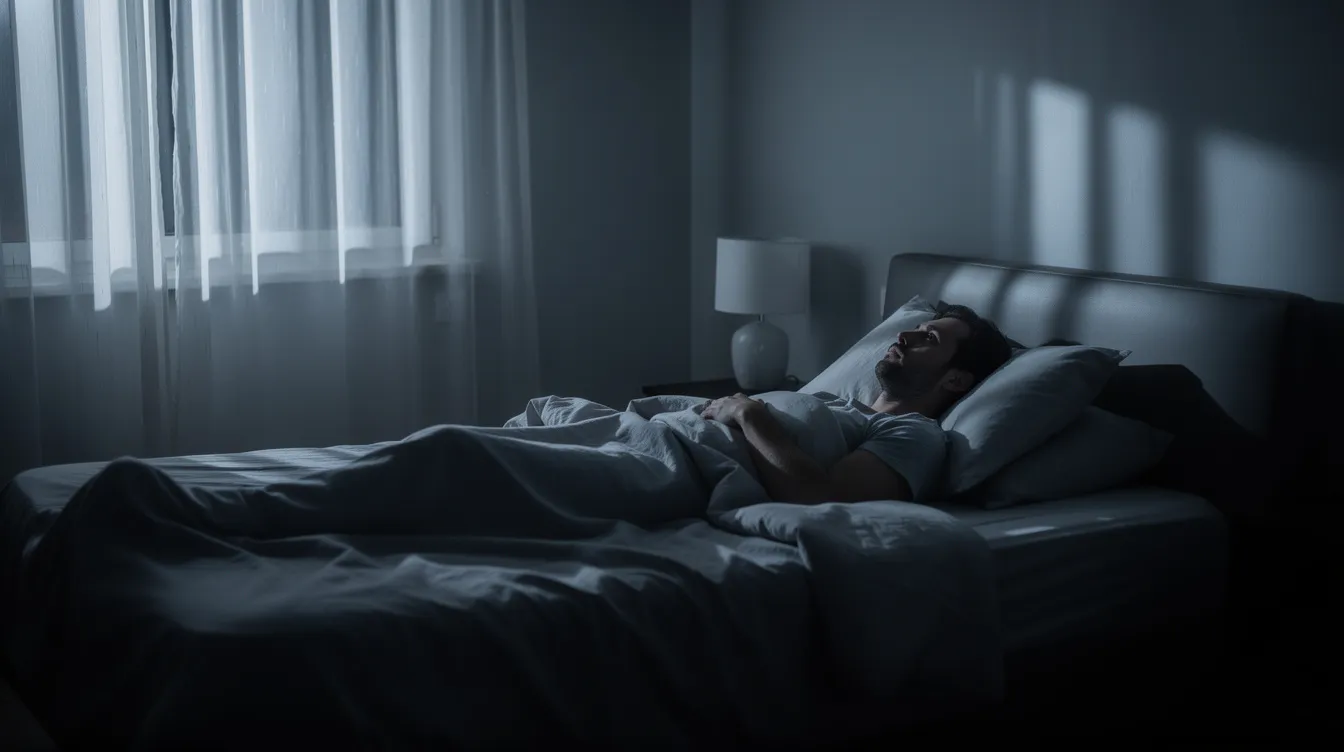
7 days before DST — stabilise your wake time
If you already wake at 2–3am, the most helpful thing you can do a week before the clocks change is keep your wake time steady. Even if your night hasn’t been perfect, try to get up at roughly the same time each morning rather than sleeping in to compensate. A consistent wake time helps anchor your body clock, which can make the end of daylight saving feel less disruptive. At this stage, you do not need a total sleep overhaul — just a more reliable rhythm.
3 days before DST — tighten caffeine and alcohol timing
In the final few days before the clocks change, it helps to be a little stricter with anything that can interfere with sleep depth. Keep caffeine earlier in the day, and be mindful that alcohol may make you feel sleepy at first but can lead to more fragmented sleep later in the night. If waking at 2–3am is already familiar, this is a good time to simplify your evenings and remove anything that makes your sleep feel lighter or more broken.
1 day before DST — prepare a lower-stimulation wind-down
The night before the clock change, aim for a wind-down that feels quieter than usual. Keep lights lower, reduce late scrolling, and give yourself a short buffer between the end of the day and trying to sleep. This does not need to be complicated: a warm shower, light reading, gentle stretching, or a few minutes of slow breathing can all help signal to your body that the day is ending. The goal is not perfection — it is to arrive at bedtime feeling less wired.
DST night — if you wake in the repeated 2am hour, keep it calm
If you wake during the repeated 2am hour, try not to treat it as a crisis. Avoid checking the time repeatedly, keep the room dim, and resist the urge to scroll or fully switch your brain back on. A quiet breathing exercise, a brief paper brain-dump, or a few calm minutes out of bed in low light can be more helpful than lying there getting frustrated. The most important thing is to keep stimulation low, so your body still has the best chance of settling again.
The next morning — use light, movement, and avoid sleeping in
After the clock change, try to get natural light into your eyes early, even if the night felt unsettled. A short walk, gentle movement, and keeping your normal morning routine can help your body clock reset faster. It is also worth resisting the temptation to sleep in too long, because that can drag the adjustment out across several more nights. One imperfect night does not have to become an imperfect week if the next morning gives your body a clear signal to start the day.
Want extra support during the clock-change week?
If daylight saving is making you think more seriously about your sleep routine, Lifeguard Sleep offers gentle nightly support for adults 45+ who want calmer nights and clearer mornings.
Learn more about Lifeguard SleepStart with your first month free
H2: Why the clock change can feel bigger after 45
If you’re over 45, the end of daylight saving can feel more noticeable than it used to. Sleep often becomes lighter and more fragmented with age, which means even small changes to routine can have a bigger effect on when you fall asleep, when you wake, and how easily you settle again.
That does not mean one clock change has to ruin your week. It just means preparation matters more. A steadier wake time, a calmer wind-down, and a little more consistency around your evenings can help your body adjust more smoothly — especially if waking at 2–3am is already familiar.
Quick answers about DST and early wakeups
Does the end of daylight saving affect sleep?
Yes, it can. Even though the clocks go back by an hour, any change to timing can disrupt a routine your body has become used to. If your sleep is already light or broken, the shift can feel more noticeable.
Why do I keep waking at 2–3am?
There is not always one single reason. For many adults, early waking is linked to lighter sleep, stress, changing sleep needs with age, or a routine that is no longer working as well as it used to. The daylight saving change can make that pattern feel more obvious.
How long does it take to adjust after the clocks change?
For some people, it settles within a day or two. For others, especially if sleep is already inconsistent, it can take several days to feel properly back into rhythm. That is why it helps to prepare before the change instead of waiting until after it.
Practical Steps to Stop Waking at 2am After the Clocks Change
Here’s a concrete 7-night reset plan for the week before and after the clocks go back, designed specifically for adults in their 40s, 50s, and 60s.
Gradual Schedule Shifting
Rather than absorbing the full one-hour shift in a single night, start adjusting four to five nights beforehand:
|
Night |
Bedtime |
Wake Time |
|---|---|---|
|
Current |
10:30pm |
6:30am |
|
Night 1 |
10:15pm |
6:15am |
|
Night 2 |
10:00pm |
6:00am |
|
Night 3 |
9:45pm |
5:45am |
|
Night 4 |
9:30pm |
5:30am |
|
After DST |
10:30pm (new time) |
6:30am (new time) |
|
This gradual approach helps your circadian rhythm adjust without the shock of sudden change. |
|
|
Strategic Light Exposure
Light is the most powerful signal for resetting your body clock:
- Morning: Get bright outdoor light within 30-45 minutes of waking. A 7:30am walk—even 15 minutes—anchors your circadian rhythm effectively.
- Evening: Dim lights and use warm-spectrum bulbs for 60-90 minutes before bed. Reduce blue light from electronic devices, or use night-mode settings.
If 2–3am wakeups are already familiar, don’t wait for the clock change
A few small routine changes can help in the lead-up to daylight saving ending — and extra support can make that week feel easier to manage. Lifeguard Sleep is doctor-designed for adults 45+ who want gentler nightly sleep support.
Try Lifeguard Sleep freeDoctor-designed support for adults 45+
Pre-Bed Habits That Protect Sleep
- Stop caffeine after 2pm (yes, even that afternoon flat white).
- If you drink alcohol, have your last glass by 7pm—avoid alcohol close to bedtime as it fragments later sleep.
- Eat your final substantial meal at least three hours before bed.
- Avoid heavy news or stressful work emails in the last hour before sleep.
A Simple Wind-Down Routine
Building a relaxing bedtime routine signals to your nervous system that sleep is approaching:
- 9:00pm: 10 minutes of gentle stretching or progressive muscle relaxation.
- 9:15pm: Warm shower (the subsequent body temperature drop promotes sleepiness).
- 9:30pm: Slow breathing exercises—take deep breaths, inhaling for 4 seconds, exhaling for 6.
- 9:45pm: Read a paper book or listen to calm audio until lights-out.
- 10:00pm: Blackout curtains drawn, room cool, sleep.

What to Do in the Moment When You’re Up at 2am
Even with perfect preparation, you may still find yourself awake at 2am occasionally. Here’s a calm, step-by-step protocol:
- Check the time once, then turn the clock face away. Clock watching increases anxiety and makes returning to sleep harder.
- Stay in bed for 15-20 minutes in low light. Practice slow breathing and see if natural sleep returns.
- If still wide awake after 20 minutes, get up and sit in a different, dimly lit room. This prevents your bed becoming associated with wakefulness.
- Engage in quiet, low-stimulation activities:
- Slow breathing (inhale 4 seconds, exhale 6 seconds)
- Journal your worries and “park” them for morning
- Read something neutral (not work emails or financial news)
- Avoid these sleep-sabotaging behaviours:
- Eating a large snack (teaches your body to wake for food)
- Drinking alcohol (suppresses REM and fragments remaining sleep)
- Switching on bright overhead lights (stops melatonin production)
- Return to bed when drowsiness returns. Stay relaxed and slightly sleepy—don’t force it.
Remember: one poor night does not ruin your long-term health. Sleep deprivation from occasional disruption is recoverable. What matters is building consistent sleep habits over time.
Nutrition, Supplements, and How Lifeguard Health Sleep Can Support Your Nights
While lifestyle changes—timing, light exposure, wind-down routines—form the foundation of sound sleep, certain nutrients and plant extracts can provide valuable additional support.
Natural sleep aids are often plant-based or derived from vitamins and minerals already present in our diets. Many people prefer natural sleep supplements because they tend to have fewer side effects than prescription sleep medications.
This is particularly true during stressful periods or time transitions when your system needs extra help maintaining natural sleep.
However, it's important to consult a doctor before starting any new supplement, as natural does not always mean safe for everyone.
In the field of sleep medicine, interventions and treatments for sleep disorders include both prescription medications and natural remedies, with growing interest in evidence-based natural sleep capsules.
Evidence-Backed Ingredients for Sleep Maintenance
Research highlights several active ingredients that support sleep in adults over 40:
- Magnesium (particularly well-absorbed forms like glycinate): Studies in older adults with insomnia symptoms report improvements in sleep quality, including deeper sleep and fewer nighttime awakenings. Typical trial doses range from 200-400mg.
- L-theanine: This amino acid from tea promotes relaxation and reduces stress without causing next-day grogginess. Research suggests it helps calm racing thoughts that contribute to difficulty falling asleep.
- Botanical extracts: Valerian root, passionflower, lemon balm, and hops have been studied in randomised controlled trials for their effects on subjective sleep quality and reducing wake time during the night.
Lifeguard Health Sleep
Lifeguard Health Sleep is a New Zealand-developed, clinician-formulated supplement designed specifically to help adults stay asleep and improve sleep quality—rather than simply sedating you into unconsciousness. It sits alongside our wider range of Lifeguard Health products for sleep, immunity, and healthy ageing.
Key benefits include:
- Support for deeper, more continuous sleep throughout the night
- Reduced middle-of-the-night wakefulness
- Ingredients selected for minimal next-day grogginess
- No melatonin and no synthetic sedatives
- A formulation that complements Lifeguard Health’s broader healthy-ageing range (including Essential, Immune, and inflammation support products)
Lifeguard Health Sleep contains no melatonin — it brings together marine magnesium, tart cherry, lemon balm and saffron as part of a calming bedtime routine. It supports general wellbeing and is not intended to diagnose, treat, cure or prevent insomnia or any other condition.
It’s worth emphasising—as we always do at Lifeguard Health—that supplements work best alongside foundational sleep habits.
No capsule can override the effects of stress, poor timing, or excessive evening screen use.
But for those already implementing good sleep hygiene, targeted supplementation can help tip the scales in favour of more restorative nights.
Explore Lifeguard Health Sleep in our online store.
Orders over NZ$95 ship free within New Zealand, and subscription options are available for those wanting consistent support through DST transitions and beyond.

When Waking at 2am Means You Should See a Doctor
Occasional 2am awakenings are normal. Persistent patterns combined with daytime impairment signal something that deserves professional attention.
Warning Signs to Discuss With Your GP
If you experience any of the following warning signs, discuss them with your GP:
- Loud snoring and gasping reported by a partner (possible sleep apnea requiring a sleep study)
- Nightly acid reflux despite lifestyle adjustments
- Severe restless leg syndrome disrupting your ability to stay asleep
- Waking with chest pain or shortness of breath
- Low mood most days for more than two weeks (sleep problems and mood disorders often intertwine)
- Unintentional weight loss alongside sleep disturbances
Understanding Chronic Insomnia
Chronic insomnia is defined as trouble falling asleep or staying asleep at least three nights per week for three months or longer, with daytime consequences like fatigue, irritability, and poor concentration.
If this describes your experience, ask your GP about cognitive behavioural therapy for insomnia (CBT-I)—the gold-standard treatment for treating insomnia that addresses the underlying cause rather than masking symptoms. CBT-I (cognitive behavioral therapy for insomnia) is considered the go-to treatment for maintenance insomnia [3].
Preparing for Your Appointment
To help your healthcare provider, bring a 1-2 week sleep diary documenting:
- Bedtimes and wake times
- Number and timing of nighttime awakenings
- Caffeine and alcohol intake
- Medications (including any sleep aids or natural supplements)
- Daytime sleepiness levels and any daytime naps
This information helps your sleep specialist or GP identify whether external factors, a sleep disorder, or underlying health conditions are driving your trouble sleeping, and whether targeted immune-support supplements for adults over 40 belong in your broader health plan.
The Path Forward
The reassuring truth?
Combining medical assessment, behaviour change, and supportive supplements can usually restore more stable, restorative sleep—even through challenges like the end of Daylight Saving Time.
Whether you’re dealing with stress, age-related changes, or a genuine sleep disorder, you don’t have to accept a regular sleep schedule that includes being awake at 2am, and some people also benefit from ongoing immune support alongside sleep-focused strategies.
Waking at 2am doesn’t have to become your new normal.
The end of Daylight Saving Time may disrupt your nights temporarily, but with the right combination of timing adjustments, light management, a calming wind-down routine, and targeted support where needed, better sleep is genuinely achievable.
For broader guidance on ageing well, you can also draw on health and wellness insights for adults over 40.
If 2–3am wakeups are already part of your routine, the week before daylight saving ends can be a smart time to support a calmer nighttime rhythm.
Prepare for the 2am hour
If you’re often awake at 2–3am, the end of daylight saving is a smart time to support a calmer nighttime routine. Try Lifeguard Sleep with your first month free and see whether it helps you settle and wake clearer.
Start your free monthFirst month free — just pay shipping