
Vitamins and Longevity Guide: Insights for a Healthier 2026
Imagine unlocking the secrets to a longer, healthier life by simply understanding how vitamins work. As we approach 2026, the connection between vitamins and longevity is more relevant than ever.
This guide will explore the science behind vitamins and longevity, revealing how these essential nutrients can help you age well. You’ll discover which vitamins matter most, learn about cutting-edge research, and gain practical strategies to optimize your health.
Ready to take action? Dive in to uncover how a focus on vitamins and longevity can set the stage for a vibrant future.
The Science of Vitamins and Longevity
Unlocking the relationship between vitamins and longevity is at the heart of modern health science. As we move closer to 2026, the quest to understand how essential nutrients can influence the aging process has never been more relevant. Let’s delve into the core scientific concepts shaping our knowledge today.

Understanding Vitamins: Definitions and Functions
Vitamins are organic compounds that the body requires in small amounts for normal growth, metabolism, and overall health. They are classified as either water-soluble (such as B-complex and vitamin C) or fat-soluble (A, D, E, K), each with unique functions.
| Vitamin Type | Examples | Main Functions |
|---|---|---|
| Water-soluble | B, C | Energy metabolism, immune support |
| Fat-soluble | A, D, E, K | Vision, bone health, antioxidant |
Historically, the discovery of vitamins was driven by diseases like scurvy and beriberi, resulting from deficiencies. Today, silent deficiencies may occur even in those consuming enough calories, making the relationship between vitamins and longevity crucial for preventive health.
Theories of Aging and the Role of Vitamins
Multiple theories seek to explain the biological basis of aging. Among the most prominent is the oxidative stress theory, which suggests aging results from accumulated cellular damage caused by free radicals. Vitamins with antioxidant properties, such as C, E, and carotenoids, are believed to help neutralize these harmful molecules.
The free radical theory ties directly into vitamins and longevity, proposing that adequate antioxidant intake may mitigate cellular damage. However, scientific consensus remains mixed, as studies on vitamin supplementation have produced variable results, highlighting the complexity of this relationship.
Epidemiological Evidence Linking Vitamins to Longevity
Large-scale observational studies often show that higher intakes of certain vitamins are associated with reduced risks of chronic diseases like heart disease and stroke. For example, folate has been linked to lower neural tube defect rates, while vitamin D and calcium correlate with fewer fractures.
Yet, findings from randomized controlled trials (RCTs) are less consistent, sometimes failing to confirm these benefits. This has led researchers to emphasize the need for personalized recommendations, as discussed in a review by a nutrition scientist, which underscores the significance of optimal vitamin intake for healthy aging.
Nutritional Needs Change with Age
As individuals age, their energy intake and nutrient absorption often decline. This shift increases the risk of vitamin deficiencies, particularly among older adults, vegans, and those with digestive disorders. Studies report that up to 50 percent of older adults fall below recommended intakes for key vitamins and minerals.
Given the link between vitamins and longevity, prioritizing a nutrient-dense diet becomes essential for this population. Foods rich in vitamins can help bridge the gap and support optimal health through the years.
The 2026 Perspective: Evolving Guidelines and Technologies
Looking ahead, advances in personalized nutrition are reshaping how we approach vitamins and longevity. Digital health tools now enable precise tracking of nutrient intake, while evolving dietary guidelines increasingly reflect the latest longevity research.
By 2026, supplementation is expected to play a larger role for targeted groups, guided by genetics, biomarker analysis, and technology-driven recommendations. These innovations promise to make optimal vitamin intake more accessible and individualized than ever before.
Essential Vitamins for Longevity: What the Research Shows
Understanding the relationship between vitamins and longevity is essential for anyone aiming to age well. As research evolves, it becomes clear that certain vitamins play pivotal roles in supporting long-term health, reducing disease risk, and maintaining vitality. This section explores what science reveals about the most important vitamins for a longer, healthier life.
Antioxidant Vitamins: A, C, and E
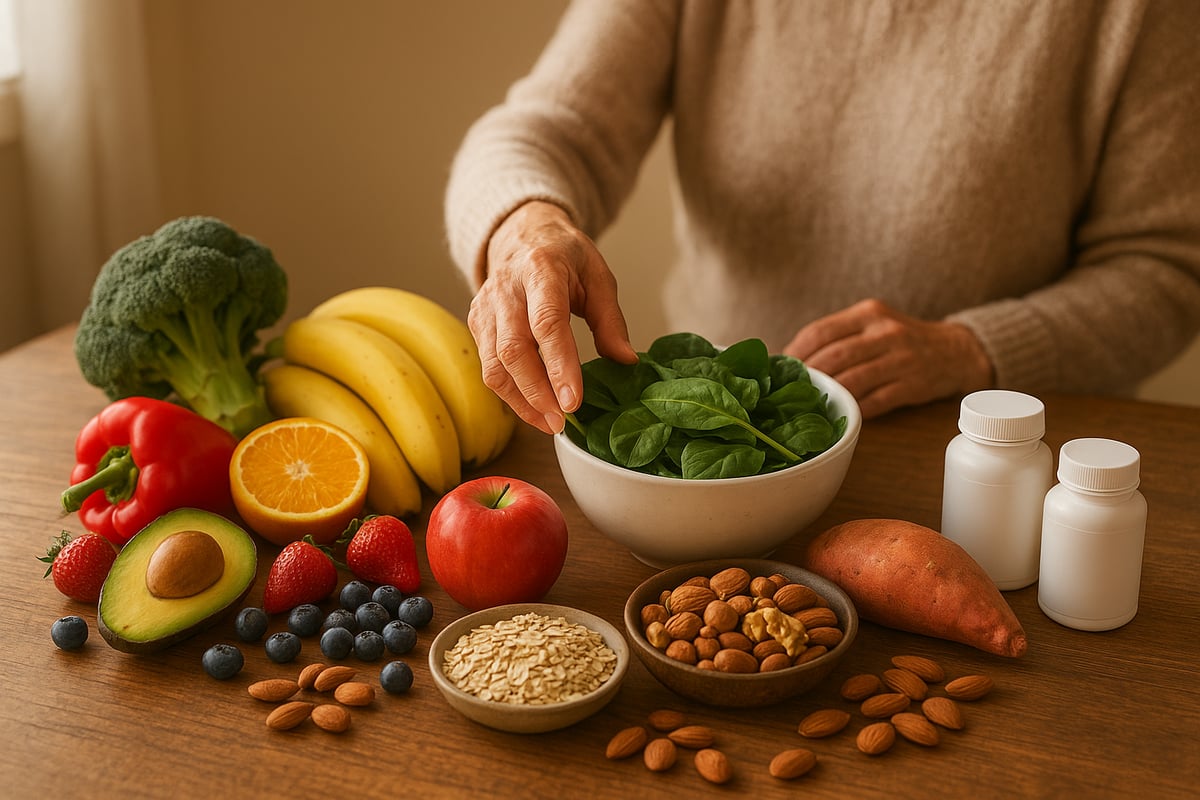
Antioxidant vitamins are central to scientific discussions about vitamins and longevity. Vitamin A and its precursors, such as carotenoids, are found in carrots and leafy greens. These compounds are converted to retinol in the body and help protect cells from oxidative stress.
Lycopene, a carotenoid in tomatoes, is linked to a reduced risk of prostate cancer. Vitamin C, present in citrus fruits, peppers, and broccoli, supports immune defense and is vital for collagen synthesis. Vitamin E, including tocopherols and tocotrienols from nuts, seeds, and vegetable oils, is another powerful antioxidant.
Research highlights the potential of antioxidant vitamins to slow age-related macular degeneration and support cardiovascular health. However, supplementation results are mixed. A recent Mendelian randomization study on circulating antioxidants and longevity provides deeper insight into how these nutrients may influence aging. While evidence is promising, the benefits of these vitamins and longevity are often most robust when obtained from whole foods.
B Vitamins: B6, B12, and Folate
B vitamins are crucial for many bodily processes related to vitamins and longevity. Vitamin B12 deficiency is common in older adults, affecting up to 20 percent due to malabsorption or inadequate intake. Folate, found in leafy greens, legumes, and fortified grains, is vital for DNA synthesis and has been shown to reduce neural tube defects.
Vitamin B6 plays a role in metabolism and cognitive function. Together, these B vitamins lower homocysteine levels, a risk factor for heart disease. Mandatory folic acid fortification has led to significant public health improvements. Testing for B12 is advised for older adults, emphasizing the ongoing importance of these nutrients in the context of vitamins and longevity.
Vitamin D: The Sunshine Vitamin
Vitamin D is unique among vitamins and longevity discussions because it can be synthesized by the body through sunlight exposure. Dietary sources include fortified milk and fatty fish. Vitamin D is essential for bone health, immune regulation, and reducing fracture risk.
As people age, their ability to synthesize vitamin D decreases, and limited sun exposure further increases deficiency risk. By 2026, there is growing emphasis on routine vitamin D screening and targeted supplementation, especially in populations prone to low intake or absorption. Ensuring adequate vitamin D is a cornerstone of any strategy focused on vitamins and longevity.
Other Key Vitamins: K and Thiamine
Vitamin K and thiamine (B1) are often overlooked in conversations about vitamins and longevity, but their roles are significant. Vitamin K is necessary for blood clotting and bone metabolism, with emerging evidence suggesting benefits for cardiovascular health.
Thiamine helps prevent beriberi and supports energy production. It is found in whole grains and pork, with deficiency risks higher in those with malabsorption issues or alcohol dependency. Recent studies point to vitamin K’s potential in supporting bone strength, reinforcing its relevance in the broader context of vitamins and longevity.
Risks of Over-Supplementation and Safety Considerations
While the benefits of vitamins and longevity are compelling, there are risks associated with over-supplementation. Data from randomized controlled trials indicate that high doses of certain vitamins, especially fat-soluble ones like A, D, E, and K, can increase the risk of toxicity or even mortality.
Water-soluble vitamins are generally safer, but excessive intake is still discouraged. It is important to prioritize food sources and supplement only when necessary, under medical supervision. Evidence-based dosing helps maximize the benefits of vitamins and longevity while minimizing potential harms.
How Vitamins Impact Age-Related Health Conditions
Understanding the relationship between vitamins and longevity is essential for anyone seeking to age well. As we grow older, certain health conditions become more prevalent, and research shows that adequate vitamin intake can play a significant role in prevention and management. Let us explore how vitamins and longevity are intertwined across five major age-related health domains.

Cardiovascular Health and Stroke Prevention
Cardiovascular disease remains a leading cause of death globally, making the link between vitamins and longevity a focus for researchers. Antioxidant vitamins like C and E help limit oxidative stress, which can damage blood vessels and contribute to heart disease. B vitamins, particularly B6, B12, and folate, are vital for reducing homocysteine, an amino acid associated with increased cardiovascular risk.
Observational studies indicate that high intake of these vitamins may lower the risk of heart disease and stroke. However, results from intervention trials have been mixed, suggesting that the benefits are more pronounced when vitamins are consumed through whole foods rather than supplements. This highlights the importance of a balanced diet for supporting both heart health and longevity.
Cognitive Function and Neuroprotection
The impact of vitamins and longevity extends to brain health as well. Deficiencies in B vitamins, especially B12 and folate, have been linked to cognitive decline and memory loss in older adults. Vitamin E, with its antioxidant properties, has been studied for its potential to slow the progression of Alzheimer’s disease, while vitamin D is emerging as a key player in brain function.
Recent research suggests that maintaining optimal vitamin status may help protect against neurodegenerative diseases. For more on this topic, see Nutrition and Cognitive Function. While supplementation alone is not a cure, a nutrient-rich diet supports cognitive resilience and promotes longevity.
Bone Health and Fracture Risk
Bone health is a critical aspect of aging, and the relationship between vitamins and longevity is particularly evident here. Vitamin D and calcium work together to maintain bone density and reduce fracture risk, especially in postmenopausal women and older adults. Vitamin K also plays a growing role in bone metabolism by aiding in the activation of proteins necessary for bone strength.
Studies show that vitamin D supplementation can reduce the incidence of fractures, while adequate vitamin K intake may further enhance skeletal health. Populations at the highest risk include those with limited sun exposure, older adults, and individuals with dietary restrictions. Ensuring sufficient intake of these vitamins is key to preserving mobility and independence as we age.
Immune Function and Infection Resistance
With advancing age, the immune system becomes less efficient, making infection prevention a priority for longevity. Vitamins and longevity are closely related in this context, as vitamins C, D, and E are known to support immune defenses. Vitamin C enhances the function of white blood cells, vitamin D modulates immune responses, and vitamin E protects cell membranes from oxidative damage.
Research has demonstrated that vitamin D supplementation can reduce the risk of respiratory infections in older adults. Practical strategies include consuming a variety of fruits, vegetables, and fortified foods to meet vitamin needs. These nutrients are fundamental for maintaining a robust immune system and promoting healthy aging.
Eye Health and Age-Related Macular Degeneration (AMD)
Vision loss from age-related macular degeneration (AMD) is a major concern for older adults. The connection between vitamins and longevity is underscored by the protective effects certain nutrients offer for eye health. Carotenoids such as beta-carotene, lutein, and zeaxanthin are found in leafy greens and help filter harmful light. Vitamin E and zinc, as part of the AREDS formula, have been shown to slow the progression of AMD.
While supplementation can help slow disease progression, it does not prevent its onset. A diet rich in colorful fruits and vegetables is recommended to support eye health and overall longevity. Monitoring vitamin intake is essential to maintaining vision and quality of life as we age.
Practical Strategies for Meeting Vitamin Needs in 2026
Meeting your nutritional goals for vitamins and longevity requires a blend of science-backed choices and practical habits. As research evolves and new tools emerge, it is more achievable than ever to support healthy aging through targeted vitamin strategies. Let’s explore clear, actionable methods to help you optimize your intake for a healthier future.

Building a Nutrient-Dense Diet
The foundation of vitamins and longevity starts with what you put on your plate. Focusing on whole, minimally processed foods is the most effective way to ensure adequate vitamin intake.
Prioritize vibrant fruits and vegetables such as spinach, carrots, bell peppers, and berries. Whole grains, lean proteins, dairy, nuts, and legumes offer a broad spectrum of essential vitamins. Try to include a variety of colors and textures at each meal to maximize your nutrient diversity.
Use gentle cooking methods, like steaming or roasting, to preserve vitamin content. Avoid overcooking, as some vitamins are sensitive to heat and water. For more detailed guidance on healthy food choices, consider exploring Healthy Ageing Strategies to complement your approach to vitamins and longevity.
Smart Supplementation: When and How
While diet is key, some individuals may need supplements to meet their vitamins and longevity goals. Older adults, vegans, and those with digestive issues are at higher risk of deficiencies and should discuss supplementation with a healthcare provider.
When choosing supplements, look for reputable brands with third-party testing. Read labels for dosage and bioavailability, and avoid mega-doses unless prescribed. Supplements are not a substitute for a balanced diet but can fill specific gaps.
If you are weighing the pros and cons, To Supplement or Not? provides a thorough discussion on when supplementation is appropriate in the context of vitamins and longevity.
The Role of Personalized Nutrition and Technology
Personalized nutrition is revolutionizing how individuals approach vitamins and longevity. DNA tests and biomarker analysis now allow for tailored recommendations based on your unique needs.
Digital health tools, such as nutrition-tracking apps and wearable devices, help monitor intake and provide reminders. These advancements make it easier to stay on track and adjust your plan as your health status changes.
As we move toward 2026, expect even more precise, AI-driven recommendations to support optimal vitamin intake and overall longevity.
Overcoming Barriers: Taste, Cost, and Accessibility
Challenges such as reduced appetite, taste changes, or budget constraints can impact vitamin intake, especially among older adults. To address these barriers, opt for seasonal produce, fortified foods, and affordable sources like canned beans or frozen vegetables.
Community programs, such as meal delivery services and nutrition education workshops, can bridge gaps in access. If you struggle with taste or texture, experiment with herbs, spices, or smoothies to make nutrient-rich foods more appealing.
By proactively tackling these challenges, you can maintain focus on vitamins and longevity even in the face of obstacles.
Monitoring and Adjusting Vitamin Intake
Regular health screenings are vital for ensuring you meet your vitamins and longevity needs. Blood tests can identify deficiencies early, allowing for timely adjustments.
Pay attention to signs such as fatigue, poor wound healing, or cognitive changes, which may indicate suboptimal vitamin levels. Collaborate with healthcare professionals to tailor your intake based on age, lifestyle, and evolving health status.
Ongoing monitoring empowers you to fine-tune your approach, maximizing the benefits of vitamins and longevity throughout every life stage.
Latest Research and Future Directions in Vitamins and Longevity
Advances in science are rapidly reshaping our understanding of vitamins and longevity. As we approach 2026, the field is evolving with new findings, innovative technologies, and a deeper look into how vitamins influence healthy aging.
Breakthrough Studies Since 2020
Recent years have brought significant studies focused on vitamins and longevity. Large-scale research has explored whether daily supplementation can extend life or prevent chronic disease. Notably, a major study published in JAMA Network Open found that daily multivitamin use not linked to increased longevity, challenging assumptions about the benefits of routine supplementation.
These findings suggest that the relationship between vitamins and longevity is more complex than previously thought. Researchers are now examining how different vitamins interact and how absorption varies among individuals. The focus is shifting from broad supplementation to understanding how specific nutrients affect the aging process.
Debates and Controversies in Supplementation
The field of vitamins and longevity is filled with debate. While observational studies often highlight the benefits of higher vitamin intake, randomized controlled trials sometimes show little or no effect on lifespan. This discrepancy creates confusion for both consumers and healthcare providers.
Concerns about supplement overuse have also emerged. High doses of certain vitamins may pose risks, particularly for fat-soluble varieties. Regulatory bodies are working to update guidelines, improve labeling, and ensure that safety remains a top priority as the science evolves.
The Microbiome, Inflammation, and Vitamin Interactions
Emerging research is uncovering how the gut microbiome influences the absorption and effectiveness of vitamins and longevity strategies. Scientists are investigating how inflammation and chronic disease risk are shaped by vitamin status. For those interested in a deeper dive, the role of nutrients in managing inflammation is discussed in Managing Inflammation for Longevity.
This area of study suggests that addressing inflammation through tailored vitamin intake could support healthy aging. Personalized interventions may become increasingly important as we learn more about these complex interactions.
Innovations in Supplement Formulation and Delivery
Technology is transforming how we approach vitamins and longevity. New supplement formulations, such as liposomal and time-release capsules, are designed to improve absorption and effectiveness. Additionally, fortified foods and functional beverages offer convenient ways to boost nutrient intake.
Sustainable and plant-based sources are gaining popularity, reflecting both environmental concerns and evolving consumer preferences. These innovations may help close nutritional gaps and support longevity as we move toward 2026.
Preparing for a Healthier 2026: Public Health and Policy Implications
Public health initiatives are adapting to the latest research on vitamins and longevity. Dietary guidelines are being updated to reflect new evidence, and campaigns are working to reduce deficiencies in at-risk populations. Community education and access to nutrient-rich foods are also key priorities.
Policymakers are considering strategies to integrate vitamin education into healthcare and public programs. By focusing on prevention and accessibility, these efforts aim to ensure that everyone can benefit from advances in vitamin science for a healthier future.
As we’ve explored, understanding your unique vitamin needs is key to supporting healthy aging, especially as we look toward 2026. With science evolving and nutritional requirements changing after 45, it’s more important than ever to take a personalized approach to your wellbeing. If you’re curious about your own nutrient profile and how targeted supplements could help you thrive, why not take the next step? You can uncover valuable insights tailored to your health journey by starting here: Discover your healthy ageing profile.