
Vitamins NZ: Essential Guide for New Zealanders Over 45
As New Zealanders age beyond 45, their nutritional requirements shift significantly. While a balanced diet remains foundational, many adults discover that meeting all their vitamin needs through food alone becomes increasingly challenging. The growing interest in vitamins nz reflects this reality, with more people seeking reliable supplementation to support healthy ageing. Understanding which vitamins matter most, how they're regulated locally, and what quality markers to look for empowers you to make informed decisions about your health.
Why Vitamin Requirements Change After 45
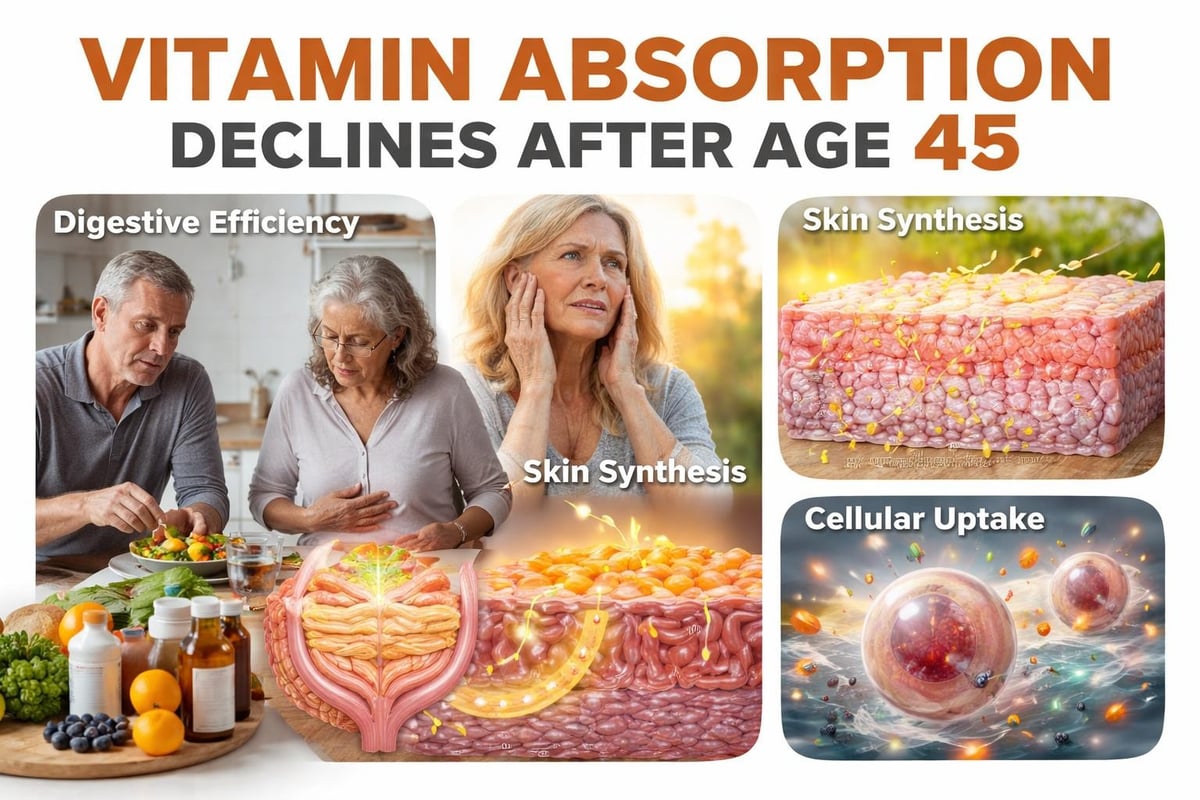
The human body undergoes numerous metabolic changes as we age. Nutrient absorption decreases, certain vitamins become depleted more rapidly, and the body's ability to synthesize nutrients from food diminishes. These physiological shifts make supplementation particularly relevant for the over-45 demographic.
Research from the 2008/09 New Zealand Adult Nutrition Survey revealed significant nutrient gaps across the population. Adults over 50 frequently showed suboptimal levels of vitamin D, B12, and several minerals essential for bone health and cognitive function.
Key Physiological Changes Affecting Vitamin Needs
Several age-related factors influence how our bodies process nutrients:
- Reduced stomach acid production impairs vitamin B12 absorption
- Decreased skin thickness limits natural vitamin D synthesis from sunlight
- Lower caloric intake often means fewer vitamins consumed through food
- Medication interactions can deplete specific nutrients or block absorption
- Chronic inflammation increases the demand for antioxidant vitamins
The digestive system becomes less efficient at extracting nutrients from food. This natural decline means that even with excellent dietary habits, vitamin deficiencies can develop gradually over time.
Understanding Vitamins NZ Regulations and Standards
New Zealand maintains specific regulatory frameworks governing dietary supplements. Medsafe oversees the regulation of dietary supplements, ensuring products meet safety and quality standards before reaching consumers.
The regulatory landscape includes several key components that protect consumers while allowing access to beneficial supplements. Manufacturers must comply with strict guidelines regarding ingredient quality, labeling accuracy, and therapeutic claims.
| Regulatory Aspect | Requirement | Consumer Impact |
|---|---|---|
| Good Manufacturing Practice | Mandatory for all manufacturers | Ensures consistent quality and purity |
| Ingredient listing | Full disclosure required | Transparency about what you're taking |
| Maximum dosage limits | Set by FSANZ | Protection from excessive intake |
| Therapeutic claims | Must be substantiated | Prevents misleading marketing |
The Food Standards Code Framework
The Australia New Zealand Food Standards Code establishes Nutrient Reference Values that guide appropriate vitamin intake levels. These values differentiate between recommended daily intakes and upper limits of safety.
Understanding these standards helps you evaluate whether a supplement provides meaningful amounts of nutrients without risking toxicity. However, uncertainty over regulations persists among consumers, highlighting the importance of choosing reputable manufacturers.
Essential Vitamins for Healthy Ageing in New Zealand
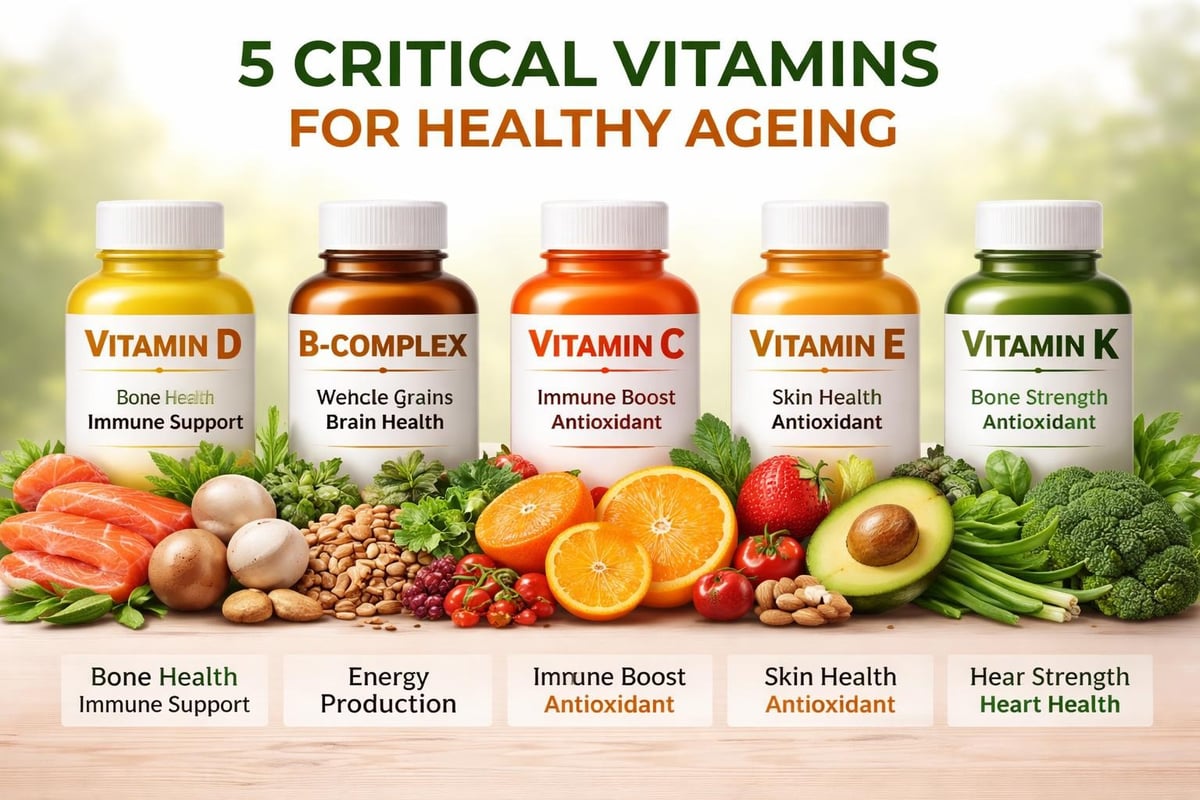
Not all vitamins carry equal importance for the over-45 demographic. Five micronutrients stand out as particularly crucial for maintaining health, vitality, and disease prevention as we age.
Vitamin D: The Sunshine Vitamin
Despite New Zealand's outdoor culture, vitamin D deficiency remains surprisingly common, especially during winter months. This nutrient plays critical roles beyond bone health.
Key functions of vitamin D include:
- Supporting immune system regulation and response
- Maintaining muscle strength and reducing fall risk
- Regulating mood and cognitive function
- Supporting cardiovascular health
New Zealand's southern latitude means winter sun exposure provides insufficient UV-B radiation for adequate vitamin D synthesis between April and September. Supplementation becomes essential during these months for most adults over 45.
B Vitamins: Energy and Neurological Support
The B-vitamin complex encompasses eight distinct nutrients, with B12, B6, and folate being particularly important for ageing adults. These water-soluble vitamins support cellular energy production, cognitive function, and cardiovascular health.
Vitamin B12 deserves special attention. As stomach acid production declines with age, B12 absorption from food decreases significantly. Many people over 50 require supplemental B12 to maintain adequate levels, regardless of dietary intake.
Vitamin C: Antioxidant Protection
This powerful antioxidant supports immune function, collagen synthesis, and iron absorption. While scurvy is rare in modern New Zealand, subclinical vitamin C deficiency can compromise immune responses and wound healing.
Unlike many animals, humans cannot synthesize vitamin C and must obtain it through diet or supplementation. The body cannot store excess vitamin C, making regular intake essential.
Choosing Quality Vitamins NZ Products
The supplement market offers overwhelming choices, with quality varying dramatically between products. Several factors distinguish premium supplements from inferior alternatives.
Manufacturing Standards and Transparency
Look for supplements manufactured in facilities following pharmaceutical-grade Good Manufacturing Practices. New Zealand-made supplements often adhere to stringent local standards that exceed minimum requirements.
Transparency matters enormously. Reputable manufacturers clearly disclose:
- Complete ingredient lists with specific forms and amounts
- Manufacturing location and facility certifications
- Third-party testing results when available
- Formulation rationale explaining ingredient choices
- Expiry dates and storage recommendations
Companies that provide detailed information about their formulation process demonstrate confidence in their products. At Lifeguard Health, supplements are formulated by Dr Roderick Mulgan specifically for the over-45 demographic, addressing the unique nutritional needs of this age group.
Bioavailability and Ingredient Forms
Not all vitamin forms are created equal. The chemical form of a vitamin dramatically affects how well your body can absorb and utilize it.
| Vitamin | Inferior Form | Superior Form | Absorption Difference |
|---|---|---|---|
| Vitamin D | D2 (ergocalciferol) | D3 (cholecalciferol) | D3 is 87% more effective |
| Vitamin B12 | Cyanocobalamin | Methylcobalamin | Methylated form is readily active |
| Folate | Folic acid (synthetic) | 5-MTHF (methylfolate) | Bypasses genetic conversion issues |
| Magnesium | Oxide | Glycinate or citrate | 4-5x better absorption |
Quality supplements designed for healthy ageing use bioavailable forms that maximize nutrient delivery to cells and tissues.
Dietary Sources Versus Supplementation
Food should always form the foundation of nutritional intake. Whole foods provide vitamins within a complex matrix of cofactors, fiber, and phytonutrients that work synergistically.
When Food Alone Isn't Enough
Several scenarios make supplementation necessary rather than optional for many New Zealanders over 45:
- Restricted diets (vegetarian, vegan, or allergen-free eating patterns)
- Decreased appetite leading to reduced overall food intake
- Digestive conditions affecting nutrient absorption
- Medication use depleting specific nutrients
- Limited sun exposure preventing adequate vitamin D synthesis
The food nutrient databases maintained by Food Standards Australia New Zealand provide detailed information about nutrient content in common foods, helping you identify dietary gaps.
Optimizing Both Approaches
The most effective strategy combines nutrient-dense whole foods with targeted supplementation. This dual approach ensures baseline nutrition while addressing specific deficiencies or elevated requirements.
Prioritize these vitamin-rich foods:
- Fatty fish for vitamin D and omega-3 fatty acids
- Leafy greens providing folate, vitamin K, and vitamin C
- Eggs delivering B vitamins and choline
- Nuts and seeds offering vitamin E and minerals
- Citrus and berries for vitamin C and antioxidants
Understanding vitamin fortification standards helps you recognize which foods provide naturally occurring versus added nutrients.

Immune Support Through Vitamins NZ
The immune system undergoes significant changes with age, a process called immunosenescence. Certain vitamins play outsized roles in maintaining immune competence and reducing infection risk.
Critical Immune-Supporting Vitamins
Vitamin C supports multiple immune functions, from enhancing white blood cell activity to acting as an antioxidant during immune responses. Requirements may increase during times of stress or illness.
Vitamin D regulates immune cell behavior and modulates inflammatory responses. Research increasingly links adequate vitamin D levels to reduced respiratory infection risk, particularly relevant given New Zealand's seasonal flu patterns.
The connection between the immune system and ageing's big diseases underscores why immune-supporting nutrition matters enormously after 45.
Targeted Immune Formulations
Some supplement formulations specifically target immune function by combining vitamins with other immune-supportive compounds. Products like Lifeguard Immune bring together vitamin C, vitamin D, and zinc in proportions designed to optimize immune responses.
Sleep, Stress, and Vitamin Requirements
Modern life presents constant stressors that deplete vitamin reserves and increase nutritional requirements. Sleep quality also affects and is affected by vitamin status.
The Stress-Vitamin Connection
Chronic stress accelerates vitamin depletion, particularly water-soluble B vitamins and vitamin C. These nutrients support adrenal function and neurotransmitter production, both heavily taxed during stressful periods.
Stress-related vitamin depletion occurs through:
- Increased metabolic demand for energy production
- Enhanced cortisol production requiring vitamin cofactors
- Oxidative stress depleting antioxidant vitamins
- Disrupted sleep affecting vitamin metabolism
- Altered eating patterns reducing nutrient intake
Supporting Restorative Sleep
Several vitamins influence sleep quality and circadian rhythm regulation. Vitamin D receptors in brain regions controlling sleep-wake cycles suggest this nutrient's importance for restful sleep.
B vitamins support the production of sleep-regulating neurotransmitters like serotonin and melatonin. Deficiencies in these vitamins can contribute to sleep disturbances common in older adults.
Specialized formulations addressing sleep quality through nutritional support combine vitamins with sleep-promoting compounds for comprehensive nighttime recovery.
Comprehensive Vitamin Strategies for New Zealanders
Building an effective vitamin strategy requires assessing individual needs, choosing quality products, and monitoring results over time.
Personalized Assessment Approaches
Start by evaluating your current status:
- Review your typical diet for nutrient-dense foods and gaps
- Consider any health conditions affecting absorption or requirements
- List medications that might interact with or deplete vitamins
- Assess lifestyle factors like sun exposure and stress levels
- Reflect on symptoms that might indicate deficiencies
Blood testing can identify specific deficiencies, though not all vitamins are easily measured through standard tests. Working with healthcare providers familiar with nutritional medicine provides valuable guidance.
Building Your Supplement Regimen
Rather than taking dozens of individual vitamins, comprehensive formulations designed for your demographic offer convenience and synergy. The Lifeguard Essentials formula provides foundational vitamins and minerals in one daily serving.
Effective supplementation principles include:
- Starting with a quality multivitamin covering basic needs
- Adding targeted nutrients for specific health goals
- Taking fat-soluble vitamins (A, D, E, K) with food containing fats
- Spacing out certain nutrients that compete for absorption
- Maintaining consistency rather than sporadic supplementation
The Future of Vitamins NZ
The supplement industry continues evolving with emerging research, improved delivery systems, and growing understanding of personalized nutrition.
Emerging Trends in Supplementation
Advanced delivery methods improve bioavailability beyond traditional tablets and capsules. Liposomal encapsulation, sublingual formats, and time-release formulations enhance how vitamins reach target tissues.
Personalized nutrition uses genetic testing and biomarker analysis to identify individual vitamin requirements. While still developing, this approach promises more precise supplementation strategies.
Sustainability concerns influence manufacturing choices, with consumers increasingly seeking environmentally responsible products using sustainable sourcing and minimal packaging.
Quality Manufacturing in New Zealand
New Zealand's clean environment and rigorous regulatory standards position local manufacturers favorably. Choosing NZ-made health supplements supports local industry while ensuring products meet high quality benchmarks.
The combination of pharmaceutical-grade manufacturing, research-based formulation, and locally sourced ingredients when possible creates supplements that meet the specific needs of New Zealand's ageing population.
Practical Implementation for Daily Life
Knowledge means little without practical application. Integrating vitamins nz into your daily routine requires simple systems that support consistency.
Creating Sustainable Habits
Morning routines provide natural anchors for supplement taking. Place your vitamins beside your breakfast location or coffee maker as a visual reminder.
Meal timing matters for optimal absorption. Fat-soluble vitamins absorb best with meals containing dietary fats, while some water-soluble vitamins may cause mild stomach upset on an empty stomach.
Monitoring and Adjusting
Track how you feel after beginning supplementation. Improvements in energy, sleep quality, immune resilience, or mood may appear gradually over weeks to months.
Keep notes on:
- Energy levels throughout the day
- Sleep quality and ease of falling asleep
- Frequency of minor illnesses
- Cognitive clarity and focus
- Physical recovery from exercise
Regular health assessments with your healthcare provider, including relevant blood tests, help verify that your vitamin strategy supports optimal health markers.
Integration with Broader Health Strategies
Vitamins work best as part of comprehensive healthy ageing approaches. No supplement replaces fundamental health practices like quality sleep, stress management, regular movement, and social connection.
Synergistic Health Practices
Physical activity increases vitamin needs while improving nutrient utilization. Active adults over 45 often require higher vitamin intakes than sedentary peers.
Whole food nutrition provides the foundation upon which supplementation builds. Understanding why food is the best medicine reinforces the complementary nature of diet and supplements.
Stress reduction preserves vitamin stores and reduces depletion. Practices like meditation, nature exposure, and adequate rest complement nutritional strategies.
Building Your Health Foundation
View vitamins as one component of a broader commitment to healthy ageing. The most effective approach combines quality supplementation with lifestyle practices supporting longevity and vitality.
Products designed specifically for your age group, like the complete range at Lifeguard Health, address multiple aspects of healthy ageing through carefully formulated combinations of vitamins, minerals, and supportive compounds.
Navigating the world of vitamins nz requires understanding both your changing nutritional needs and the quality markers that distinguish effective supplements from inferior products. By choosing locally manufactured supplements formulated specifically for healthy ageing, you invest in your long-term vitality with products designed for New Zealand conditions and lifestyles. Lifeguard Health offers research-based formulations created by Dr Roderick Mulgan to support your health journey beyond 45, combining essential vitamins with the compounds that matter most for sustained wellbeing.