
Your Immune System: How to Improve it
If you’re an adult looking to strengthen your immune system, you’re not alone—many people want to know how to improve their immune system to reduce their risk of illness and support overall well-being.
Your immune system is your body’s natural defense against disease, and maintaining its strength is essential for staying healthy year-round.
If you’re wondering how to improve your immune system, this guide covers six tips and evidence-based strategies for better health.
From the foods you eat to the sleep you get, these practical steps are designed for adults who want to build up their immune system and make their defense as strong as possible.
A healthy lifestyle can help build up your immune system to make your defense as strong as possible.
Immune support for adults 45+
Try Lifeguard Immune — your first month free
Daily, doctor-formulated immune support designed for healthy ageing. Start with your first free month and build a simple habit that supports resilience through busy seasons.
Claim Your First Free MonthQuick ways to support your immune system today
You don’t need to overhaul your entire life to start supporting your immune function. A few small changes today can set the foundation for a healthier immune system naturally.
Here are practical actions you can take right now:
- Drink water instead of sugary beverages to maintain hydration and mucosal barriers
- Add one piece of fruit (like an orange or kiwi) to your lunch for vitamin c
- Go for a 20-minute brisk walk to boost circulation of immune cells
- Prioritize getting a good night's sleep tonight, targeting seven to nine hours of rest
- Wash your hands thoroughly before meals and after being in public spaces
- Clean frequently touched surfaces, such as doorknobs and mobile phones, to help prevent the spread of germs
- Swap one processed snack for nuts, seeds, or vegetables
During flu season—which runs from May to September in many southern hemisphere countries like Australia—these quick wins are especially relevant.
Good hygiene practices such as frequent handwashing reduce the spread of viruses.
Keep in mind that these habits don’t replace recommended vaccines or medical care, but they do support your body’s ability to stay healthy and fight infection.
What is your immune system and how does it work?
The immune system is how your body defends itself from threats from the outside world.
The immune system triggers an automatic, coordinated response to help you heal when a threat enters your body.
The cells and organs of your immune system work together to locate, identify and remove germs and other invaders.
Think of your immune system as a 24/7 security team working throughout your body.
This network of cells, tissues, and organs recognizes and removes harmful invaders like viruses, bacteria, fungi, and parasites—often before you even notice anything is wrong.
White blood cells serve as the frontline soldiers in this defense.
Neutrophils act as first responders, quickly engulfing pathogens at the site of infection.
Lymphocytes, including B-cells that produce antibodies and T-cells that coordinate attacks or destroy infected cells directly, provide more targeted responses.
Key organs and tissues involved include:
- Bone marrow, where stem cells differentiate into blood cells
- The thymus, where T-cells mature
- Lymph nodes, which filter lymph fluid and activate immune responses
- The spleen, which filters pathogens from blood
- Tonsils, serving as sentinels at entry points
- Gut-associated lymphoid tissue, housing about 70% of immune cells
When you catch the flu, your innate immunity deploys neutrophils and macrophages within hours to contain the virus.
Meanwhile, adaptive immunity ramps up over days, producing antibodies and forming T-cell memory for faster future responses.
However, this system can also overreact—leading to allergies when harmless substances trigger histamine release, or autoimmune conditions when immune cells mistakenly attack healthy tissue.
Understanding the benefits of a strong immune system
A strong immune system does a remarkable job every day, acting as your body’s natural defense against infectious diseases and helping you stay healthy year-round.
When your immune system is functioning well, it can quickly recognize and neutralize harmful invaders like viruses and bacteria, reducing your risk of illness and supporting overall health.
In contrast, a weak immune system leaves you more vulnerable to infections and can increase your chances of developing chronic diseases.
Maintaining a healthy immune system naturally starts with your daily habits. Eating a well balanced diet rich in immune boosting foods—such as citrus fruits packed with vitamin C, colorful vegetables, whole grains, and a variety of fruits—provides your immune cells with the nutrients they need to function at their best.
These foods help enhance immunity, while limiting added sugars and unhealthy fats is key to preventing your immune system from becoming sluggish.
Regular physical activity, like moderate exercise or brisk walking, not only helps manage body weight but also supports immune health by lowering stress levels and encouraging the growth of good bacteria in your gut.
These beneficial bacteria play a crucial role in training your immune system and improving your body’s ability to fight infection.
Getting enough sleep—ideally seven to nine hours each night—gives your immune system time to repair and recharge, ensuring your immune response stays strong.
Managing stress through healthy ways such as meditation, deep breathing, or spending time in nature can further reduce your risk of illness by keeping stress hormones in check.
Staying hydrated by drinking plenty of water and limiting processed foods also supports immune function and overall health.
By making these healthy lifestyle choices part of your daily routine, you can strengthen your immune system, reduce your risk of infectious diseases, and enjoy the long-term health benefits of a resilient body.
Diet and your immune system: everyday food choices
A well balanced diet underpins immune health more than any single supplement or superfood.
Malnutrition and diets heavy in ultra-processed foods can weaken your defenses, with some studies suggesting up to 50% increased infection susceptibility.
Regular meals with whole foods provide the nutrients your immune cells need to function.
Focus on vegetables, fruits, whole grains, legumes, nuts, seeds, and lean proteins.
Healthy eating doesn’t have to be complicated—it’s about consistent, nutritious foods rather than perfection.
Key Nutrients for Immunity
Key nutrient deficiencies that impair immune response include:
- Zinc (needed for over 300 enzymes)
- Selenium
- Iron
- Copper
- Folate
- Vitamins A, B6, C, D, and E
Vitamin D deficiency alone is linked to doubled respiratory infection risk in meta-analyses.
Practical swaps to try
- Replace sugary drinks with water to cut added sugars.
- Choose oats over pastries at breakfast for beta-glucans that activate macrophages.
- Add beans or lentils to dinners for plant protein and zinc.
Sample day on a plate for immune support
- Breakfast: Oats with berries and nuts
- Lunch: Spinach salad with chickpeas and citrus dressing
- Snack: Yogurt with seeds
- Dinner: Salmon with broccoli and quinoa
These meals are similar to many of the top foods for an immune boost recommended by nutrition experts.
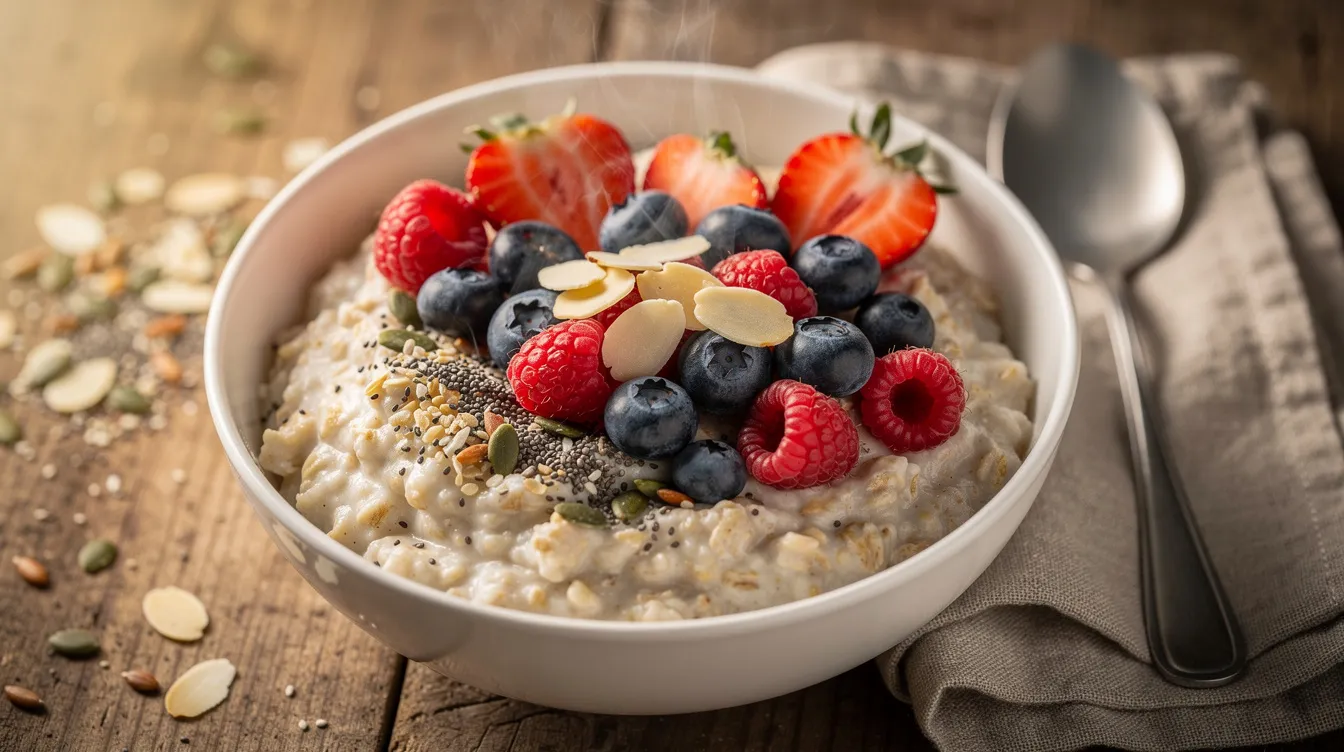
Immune-supporting foods and nutrients to focus on
Certain foods deliver concentrated immune boosting nutrients, overlapping with several of the top natural ingredients backed by science for immune support.
Here are specific options to include regularly:
- Citrus fruits and kiwifruit: Over 100mg vitamin c per serving for antioxidant support
- Red and yellow capsicums, carrots, pumpkin: Beta-carotene (vitamin A precursor) and additional vitamin c for epithelial integrity
- Garlic and onions: Allicin and quercetin compounds that may support immune activity
- Live-culture yoghurt and kefir: Probiotics like Lactobacillus and Bifidobacterium for gut health and good bacteria balance
- Oily fish (salmon, sardines, mackerel): Vitamin d and omega-3 fats reducing inflammation
- Nuts and seeds (almonds, sunflower, pumpkin seeds): Vitamin E, zinc, and healthy fats
- Beans, chickpeas, lentils: Zinc, iron, and plant protein
- Leafy greens (spinach, kale, silverbeet): Folate and antioxidants
And yes, chicken soup has some validity—warm liquids help with hydration and the vegetables provide nutrients, though it’s no cure-all.
Gut health: why your microbiome matters
A large portion of your immune system sits in your gut, interacting with trillions of bacteria that influence how your body responds to threats.
A diverse microbiome helps “train” immune cells to distinguish between harmful invaders and harmless substances.
Supporting your gut bacteria this month:
- Eat high-fibre foods daily (apples, oats, beans, broccoli)
- Include fermented foods like yoghurt with live cultures, sauerkraut, or kimchi
- Limit ultra-processed foods high in sugar, salt, and additives
- Aim for the recommended 25-30g of fibre daily
- Add variety—different plant foods feed different beneficial bacteria
Research shows that noticeable microbiome shifts can occur within 2-4 weeks of dietary changes, with one study showing 30% improvement after four weeks of plant-rich eating.
However, long-term habits matter most for sustained benefits.
Do you need supplements to improve your immune system?
Most healthy adults can meet their nutrient needs through a balanced diet rich in whole foods.
However, supplements have a role in specific situations, and understanding immune supplements can help you make informed choices during higher-risk seasons.
Single mega-doses of vitamins are not proven to prevent infectious diseases and can cause side effects.
Excess zinc (over 40mg daily) can cause nausea and interfere with copper absorption. Too much vitamin A can damage the liver.
Supplements may be useful when you have:
- Restricted diets (vegans often need B12 supplementation)
- Limited sun exposure affecting vitamin d levels, especially in winter
- Medically diagnosed deficiencies confirmed by a blood test
- Pregnancy or planning pregnancy (folate requirements increase)
- Reduced appetite common in older adults
Always talk with a doctor or dietitian before starting new supplements, especially if you take regular medications. Interactions can occur—for example, between warfarin and vitamin K.
Popular immune supplements: facts vs myths
Products containing vitamin c, zinc, echinacea, and elderberry are heavily marketed for immune boosting. Here’s what the evidence actually shows:
Vitamin C: May shorten cold duration by about 8% in adults when taken before symptoms appear, according to Cochrane reviews. However, it does not reliably prevent illness.
Zinc: Can reduce cold duration by about 33% when taken within 24 hours of symptom onset in recommended doses. Excess causes nausea and interferes with copper absorption.
Herbal supplements: Echinacea and elderberry show mixed or limited evidence, and quality varies significantly across products. Some elderberry trials show symptom reduction, but prevention data is lacking.
Supplements should fill gaps in an otherwise healthy lifestyle—they don’t replace vaccines, handwashing, adequate sleep, or medical treatment for disease, a point echoed in broader discussions of selective supplementation for long-term health.
When diet alone may not be enough
Fill the gaps with Lifeguard Immune
Made in New Zealand and formulated by Dr Mulgan for adults over 40, Lifeguard Immune combines key vitamins, minerals, and botanicals in one simple daily routine.
Start Free for 1 Month See Ingredients & BenefitsLifestyle habits that strengthen immune defenses
Practical Lifestyle Habits
Beyond your diet, daily habits profoundly influence how well your immune system functions.
Physical activity, sleep, reducing stress, and avoiding harmful substances all play crucial roles.
Reduce stress is a crucial factor alongside getting sufficient sleep and maintaining a healthy diet to prevent illnesses like the flu.
Regular exercise: Aim for 150 minutes of moderate physical activity weekly. This enhances immunity by improving circulation and supporting immune surveillance, potentially reducing upper respiratory infections by 25-50%.
Adequate sleep: Adults should target seven to nine hours per night. Chronic sleep deprivation (less than 6 hours for extended periods) is linked with 4-fold higher infection risk, underscoring the powerful immune-sleep connection.
Reduce stress: Try breathing exercises, short breaks from screens, time in nature, or social connection.
Chronic stress elevates cortisol, which suppresses immune function. Reducing stress is just as important as sleep and diet for keeping your immune system strong.
Avoid tobacco: Quitting smoking is one of the best things you can do for your body and immune system. Smoking impairs ciliary clearance in your respiratory tract.
Limit alcohol: Stay within national low-risk drinking guidelines to prevent immune suppression.

Exercise and your immune system
Regular, moderate exercise supports a healthy immune system, while extreme overtraining can temporarily lower defenses. The sweet spot is consistent movement without pushing to exhaustion.
Practical targets include:
- Brisk walking 30 minutes on most days
- Cycling, swimming, or home workouts using body weight exercises
- Even 10-minute walks after meals add up for people new to exercise
Rest days matter. If you’re training intensively, allow 1-2 recovery days weekly to avoid overtraining syndrome.
Sample weekly routines:
- Office worker: 30-minute lunch walks plus evening yoga sessions
- Shift worker: 20-minute home circuits (squats, planks) plus weekend hikes
- Beginner: Three 10-minute post-meal walks daily
Sleep, stress, and immune resilience
Poor sleep and chronic stress disrupt hormone balance and weaken your immune response. Research shows that sleep deprivation slashes T-cell production and cytokine balance critical for fighting viruses.
Sleep improvement tips:
- Keep a consistent sleep-wake time, even on weekends
- Avoid screens 30-60 minutes before bed
- Keep your bedroom dark, cool (16-18°C), and quiet
- A good night’s sleep means uninterrupted cycles for immune cell restoration
Stress relief ideas:
- 5-minute breathing practice (try 4-7-8 breathing: inhale 4 seconds, hold 7, exhale 8)
- Short daily walk outside for vitamin d and endorphins
- Journaling to offload worries
- Talking with a trusted friend or professional
Major life stressors like bereavement or financial strain can noticeably affect your health. Seeking support is a sign of strength, not weakness.
Age, medical conditions, and immune function
Immune function changes across the lifespan. From around age 60-65, responses often slow due to immunosenescence—thymic involution reduces naive T-cells by 50-70%, and baseline inflammation markers increase, reflecting broader patterns in how your immune system changes after 40.
Chronic diseases also affect immunity:
- Diabetes impairs phagocytosis (2-3x infection odds)
- Heart disease involves endothelial dysfunction
- Lung conditions like COPD can halve vaccine efficacy
- Autoimmune diseases and treatments (chemotherapy, steroids) can suppress responses
- Cancer treatments often affect white blood cell counts
Even with health challenges, lifestyle steps still matter.
Nutrition, physical activity, and enough sleep for people over 40 can be tailored with your clinician’s guidance.
Empowerment comes from focusing on what you can control.
Vaccines and infection prevention
Vaccines train your immune system to recognize specific germs before you encounter them. They remain one of the most effective tools to prevent serious infectious diseases, including conditions like hepatitis b.
Key vaccines typically recommended for adults include:
- Seasonal influenza (annual)
- COVID-19 boosters per current guidelines
- Tetanus-diphtheria-pertussis boosters
- Shingles vaccine (post-50, with 90% efficacy)
- Pneumococcal vaccine (over 65)
Even with a strong lifestyle, vaccines reduce risk of severe illness, hospitalization, and complications—information supported by organizations like the National Institute of health authorities worldwide and by resources that help you build your immunity for life.
Practice good hygiene alongside vaccination:
- Frequent handwashing (reduces transmission 20-40%)
- Covering coughs and sneezes
- Staying home when sick
- Cleaning high-touch surfaces regularly
Myths, quick fixes, and what doesn’t work
Many products and online claims promise to “supercharge” your immunity overnight. Be skeptical of anything that sounds too good to be true.
Myth 1: “One vitamin or food can completely prevent colds or flu.” No single nutrient guarantees protection. Immune function depends on multiple factors working together—no magic bullet exists for enhance immunity claims.
Myth 2: “Being outside in the cold without a jacket will make you sick.” Infections come from viruses and bacteria, not temperature alone. Rhinoviruses replicate in nasal passages regardless of whether you wore a coat.
Myth 3: “Detoxes or extreme cleanses reset your immune system.” There’s no evidence supporting this. These approaches risk electrolyte imbalances and microbiome disruption without superior outcomes compared to simply maintaining a healthy diet.
The goal isn’t endlessly “boosting” your immune system—excessive activation can actually cause problems, like cytokine storms in severe infections.
Healthy function is about balance. Be skeptical of products promising instant results, lacking clear ingredients, or relying only on testimonials.
Putting it all together: your immune-support plan
Improving immune health is about consistent daily habits rather than finding one miracle fix. Small, sustainable changes compound over time to strengthen your immune system.
A simple one-week reset:
- Add one extra vegetable to every meal for 7 days
- Walk on at least 5 days (even 20 minutes counts)
- Set a consistent bedtime to achieve seven to nine hours of sleep
- Schedule a check-up if you’re overdue
- Review current medications and supplements with a clinician
Rather than overhauling everything at once, choose 2-3 focus areas. Maybe this week it’s sleep and movement.
Next month, tackle stress levels and diet improvements.
The health benefits of these changes often appear within weeks—better energy, improved mood, and feeling less run-down.
Infection resistance and maintaining a healthy body weight improve over longer periods as habits become automatic.
There’s no secret to how to boost your immune system in healthy ways. It comes down to eating nutritious foods, getting regular exercise, managing stress, and sleeping well. Start with one small step today. Your body will thank you.
A healthy lifestyle can help build up your immune system to make your defense as strong as possible.
Ready to support your immunity every day?
Pair the habits in this article with a trusted daily formula made for healthy ageing. Try Lifeguard Immune free for your first month and see how easy consistent support can feel.
Get My Free First MonthNZ-made • Doctor-formulated • 60-day guarantee
Related guide: Immune Resilience in Midlife: A Guide for Adults Over 40