Sleep Disorders and Insomnia After 40: Symptoms, Causes and Treatment Options
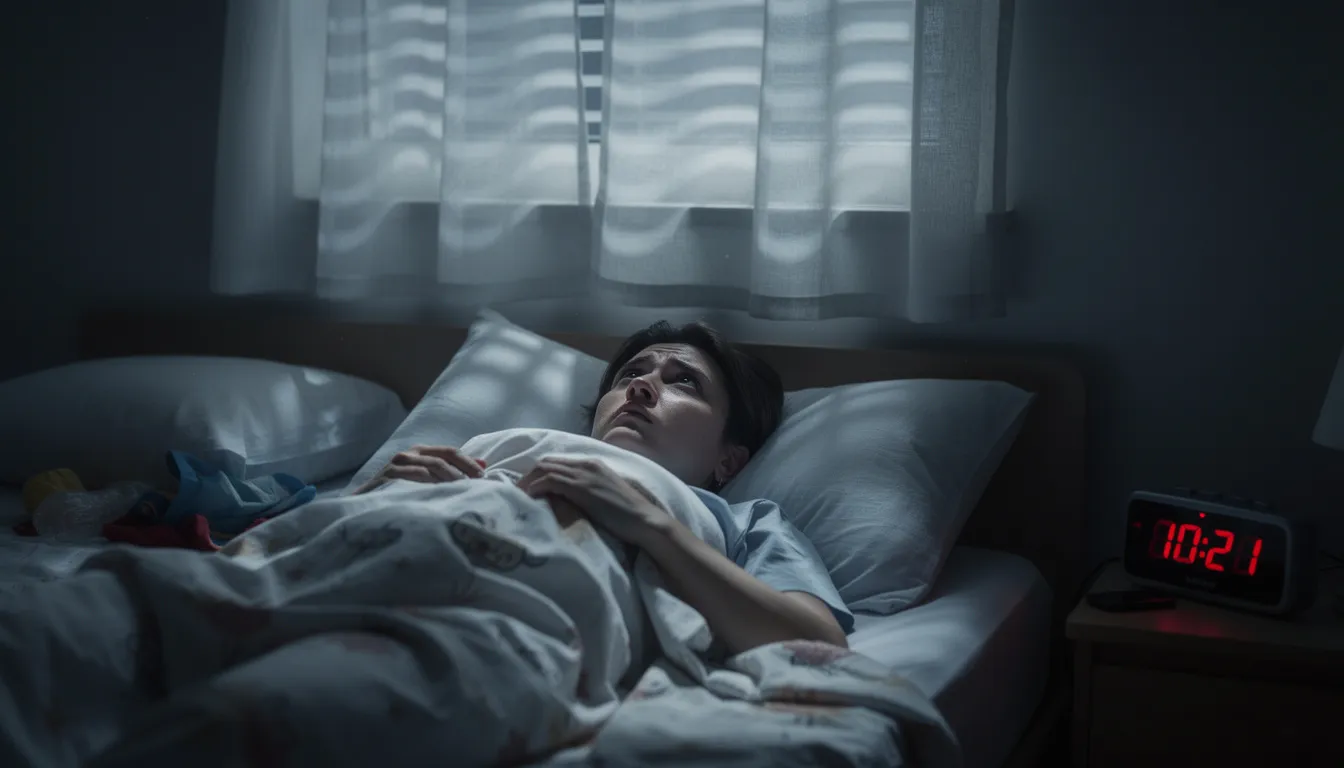
If you’ve ever found yourself staring at the ceiling at 3 AM, mind racing despite feeling physically exhausted, you’re experiencing one of the most common health challenges of our time.
Sleep disorders affect millions of people worldwide, with insomnia being the most prevalent condition that disrupts the natural sleep-wake cycle and impacts every aspect of daily life.
Sleep disorders encompass a broad range of medical conditions that interfere with normal sleep patterns, affecting the quality, timing, and amount of sleep a person gets.
For adults, it is generally recommended to get 7-9 hours of sleep each night, and knowing how much sleep you need is essential for optimal health.
These conditions don’t just cause tired mornings—they significantly impact work performance, relationships, mental health, and overall quality of life. Research shows that approximately 30% of adults experience insomnia symptoms regularly, making it crucial to understand these conditions and the effective treatment options available.
However, many adults do not get enough sleep according to national guidelines, which increases the risk of serious health problems such as obesity, diabetes, cardiovascular disease, and impaired immune function.
In this comprehensive guide, we’ll explore the various types of sleep disorders, help you recognise the warning signs, understand the underlying causes and risk factors especially for adults over 45, and discover proven treatment approaches — from behavioural therapies to doctor-formulated, non-habit-forming sleep support — that can restore restful sleep and improve your overall health.
Achieving a good night's sleep is the ultimate goal, and this guide will help you work toward getting enough sleep each night for better well-being.
What Are Sleep Disorders and Insomnia?
Sleep disorders are medical conditions that disrupt the quality, timing, amount, or architecture of sleep, leading to impaired daytime functioning, compromised health, or safety concerns.
These conditions affect how we fall asleep, stay asleep, or experience restorative rest during the night.
Insomnia stands as the most prevalent sleep disorder, characterized by difficulty falling asleep, staying asleep, or waking up too early despite having adequate opportunity for sleep.
Many people with insomnia have trouble getting to sleep, which is a key symptom of insomnia disorder.
What distinguishes insomnia from occasional sleepless nights is its persistence and the significant daytime consequences it produces, including fatigue, mood disturbances, cognitive impairment, and reduced motivation.

The statistics surrounding sleep disorders reveal a significant public health concern. Approximately 30% of adults experience insomnia symptoms regularly, while 6-10% meet the full criteria for chronic insomnia disorder.
Women are twice as likely as men to experience insomnia, with the gender gap widening during middle age and menopause due to hormonal changes and increased caregiving responsibilities.
Sleep disorders fundamentally disrupt the natural sleep-wake cycle, which is governed by two main biological processes: the homeostatic sleep drive that increases with time awake, and the circadian system controlled by our internal body clock.
When these systems are disrupted by sleep disorders, the consequences extend far beyond feeling tired the next day.
The impact on daily functioning can be profound.
People with untreated sleep disorders often experience reduced productivity, increased accidents, impaired decision-making, and difficulty maintaining relationships. Long-term health consequences include increased risk of depression, anxiety, cardiovascular disease, diabetes, and compromised immune function.
Why Sleep Problems Become More Common After 40
As we move through our 40s, 50s and beyond, our sleep architecture naturally changes.
We tend to get less deep sleep, wake more often overnight, and become more sensitive to stress, pain and medication side effects.
Women also navigate perimenopause and menopause, while many men notice more frequent nighttime waking and early-morning alertness.
These shifts don’t mean poor sleep is “just part of getting older” — but they do explain why adults over 45 often feel the impact of insomnia more strongly and may need a more deliberate plan to protect sleep.
Common Types of Sleep Disorders
Understanding the various categories of sleep disorders helps identify specific patterns and appropriate treatment approaches.
The International Classification of Sleep Disorders organizes these conditions into several major categories, each with distinct characteristics and treatment requirements.
Insomnia Disorders represent the largest category, including both acute and chronic forms. Acute insomnia typically lasts from a few days to less than three months and is often triggered by identifiable stressors like job changes, illness, or major life events.
This type of acute insomnia is also known as short term insomnia, and early intervention—such as practicing good sleep hygiene or using short-term medication—can help prevent it from developing into chronic insomnia.
Chronic insomnia persists for at least three months with symptoms occurring at least three nights per week, often developing into a self-perpetuating cycle of hyperarousal and maladaptive sleep habits.
Sleep-Related Breathing Disorders primarily include obstructive sleep apnea and central sleep apnoea. These conditions cause repeated interruptions in breathing during sleep, leading to fragmented rest and reduced oxygen levels. Obstructive sleep apnoea occurs when the upper airway becomes blocked, while central sleep apnea involves the brain’s failure to send proper signals to breathing muscles.
Circadian Rhythm Sleep-Wake Disorders occur when the internal body clock becomes misaligned with environmental or social schedules. Common examples include delayed sleep-wake phase disorder, where people naturally fall asleep and wake much later than desired, and shift work disorder affecting those with irregular work schedules.
Parasomnias involve abnormal behaviors or experiences during sleep, including sleepwalking, night terrors, and REM sleep behavior disorder. These conditions can interrupt sleep continuity and pose safety risks for the individual and their family members.
Sleep-Related Movement Disorders such as restless legs syndrome and periodic limb movement disorder cause uncomfortable sensations or involuntary movements that interfere with sleep onset or maintenance.
Insomnia: The Most Common Sleep Disorder
Insomnia manifests in three primary forms, each requiring different treatment considerations.
Sleep-onset insomnia involves difficulty falling asleep, typically taking more than 30 minutes to fall asleep regularly.
Sleep-maintenance insomnia is characterized by frequent awakenings during the night or difficulty returning to sleep after waking.
Early-morning awakening insomnia involves waking up significantly earlier than desired and being unable to return to sleep.
Waking up too early and feeling unrefreshed, regardless of total sleep time, is a hallmark of insomnia.
Many people with chronic insomnia report feeling as though they haven’t slept at all, even when sleep studies show they obtained several hours of sleep—a phenomenon sometimes called paradoxical insomnia or sleep state misperception.
Poor quality sleep is a common complaint among those with insomnia, and it can have significant effects on brain function and mental health.
The classification of primary versus secondary insomnia has evolved in recent years. While insomnia was once considered primarily a symptom of other conditions, research now recognizes that insomnia often behaves as an independent disorder requiring direct treatment, even when other medical or psychiatric conditions are present.
This shift has led to the concept of “comorbid insomnia,” acknowledging that insomnia frequently coexists with and can exacerbate other health problems.
Chronic insomnia affects approximately 1 in 3 adults globally at some point in their lives, with significant variations based on demographics, lifestyle factors, and underlying health conditions.
The condition often develops through a combination of predisposing factors (such as anxiety-prone personality traits), precipitating events (like major stressors), and perpetuating behaviors (including poor sleep habits and worry about sleep).
Understanding insomnia as both a disorder and a symptom dimension within other sleep disorders is critical for effective treatment.
Many people with sleep apnoea, for example, also experience insomnia symptoms that may persist even after successful treatment of their breathing disorder, requiring additional interventions specifically targeting the insomnia component.
Signs and Symptoms of Sleep Disorders
Recognizing the warning signs of sleep disorders is essential for early intervention and effective treatment.
While symptoms can vary significantly depending on the specific disorder, several common patterns emerge that warrant attention from healthcare providers.
Common warning signs include:
- Difficulty falling asleep
- Frequent night time awakenings
- Waking up to early feeling unrefreshed
- Daytime sleepiness and fatigue
- Brain fog and concentration problems
- Irritability or low mood
- Headaches or frequent illness
The most obvious symptom of insomnia is difficulty falling asleep, particularly when it takes more than 30 minutes regularly despite feeling tired.
This prolonged sleep latency often becomes associated with increasing frustration and anxiety about sleep, creating a self-reinforcing cycle of sleep difficulty.
Tracking the time you go to bed each night can help identify patterns and improve sleep habits.
Frequent nighttime awakenings represent another major indicator of sleep disorders. While brief awakenings are normal, people with sleep disorders often experience multiple prolonged awakenings or find themselves unable to return to sleep after waking.
This fragmented sleep pattern prevents the deep, restorative sleep stages necessary for physical and mental recovery.
Waking up too early and feeling unrefreshed, regardless of total sleep time, suggests possible sleep disorder involvement. Many people with chronic insomnia report feeling as though they haven’t slept at all, even when sleep studies show they obtained several hours of sleep—a phenomenon sometimes called paradoxical insomnia or sleep state misperception.

Daytime sleepiness and fatigue are universal consequences of poor sleep quality, but their severity and pattern can provide important diagnostic clues.
Excessive daytime sleepiness may indicate sleep-related breathing disorders, while persistent fatigue despite apparently adequate sleep might suggest sleep fragmentation or other sleep quality issues.
Cognitive symptoms frequently accompany sleep disorders, including concentration problems, memory difficulties, and impaired decision-making abilities.
These cognitive effects often appear before people recognize their sleep as problematic, manifesting as decreased work performance, academic struggles, or increased errors in daily tasks.
Mood changes represent another crucial symptom category, with irritability, anxiety, and depression commonly associated with chronic sleep problems.
The bidirectional relationship between sleep and mood means that sleep disorders can contribute to mental health conditions, while psychiatric disorders can exacerbate sleep difficulties.
Physical symptoms may include morning headaches, gastrointestinal problems, increased susceptibility to illness, and general aches and pains.
Some people also report feeling tired but wired, unable to relax despite physical exhaustion—a hallmark of the hyperarousal state characteristic of chronic insomnia.
Causes and Risk Factors
Sleep disorders result from complex interactions between biological, psychological, environmental, and social factors.
Understanding these multifaceted causes helps identify potential triggers and guide targeted interventions for individuals experiencing sleep difficulties.
Stress and anxiety rank among the most common triggers for sleep disorders, particularly insomnia.
Acute stress from work pressure, relationship conflicts, financial concerns, or major life changes can initiate sleep difficulties that may persist long after the original stressor has resolved.
The stress response system’s activation releases cortisol and other hormones that promote alertness, directly interfering with the body’s natural transition to sleep.
Mental health conditions frequently coexist with sleep disorders in bidirectional relationships.
Depression commonly features early morning awakening and non-restorative sleep, while anxiety disorders often involve difficulty falling asleep due to racing thoughts and physical tension.
- Post-traumatic stress disorder can cause nightmares, hypervigilance, and fear of sleep, contributing to chronic insomnia patterns.
- Medical conditions contribute significantly to sleep disturbances through various mechanisms.
- Chronic pain conditions like arthritis or fibromyalgia cause physical discomfort that interferes with sleep onset and maintenance.
- Heart disease and congestive heart failure can cause breathing difficulties and frequent awakenings.
- Respiratory disorders including asthma and chronic obstructive pulmonary disease (COPD) may worsen at night, disrupting sleep continuity.
For some individuals, it is important to treat allergies, as allergy symptoms can interfere with sleep and addressing them may improve sleep quality.
Medications represent a frequently overlooked cause of sleep problems. Stimulants, certain antidepressants, corticosteroids, decongestants, and some blood pressure medications can interfere with sleep patterns.
Even medications intended to help with other conditions may have stimulating side effects that affect sleep quality.
Environmental factors play crucial roles in sleep disorder development and maintenance. Noise pollution from traffic, neighbors, or snoring partners can fragment sleep.
Light exposure from streetlights, electronic devices, or inadequate window coverings can suppress melatonin production and delay sleep onset.
Temperature extremes, uncomfortable bedding, and poor air quality all contribute to sleep difficulties.
Lifestyle factors including irregular sleep schedules, excessive caffeine consumption, alcohol use, and lack of physical activity can disrupt natural sleep-wake rhythms.
Shift work and frequent time zone changes challenge the circadian system’s ability to maintain stable sleep patterns.
Age-related changes affect sleep architecture and increase vulnerability to sleep disorders. Adults over 65 often experience earlier bedtimes and wake times, increased sleep fragmentation, and reduced deep sleep stages.
These changes, combined with higher rates of medical conditions and medication use, contribute to increased sleep disorder prevalence in older adults.
Specific Risk Factors for Insomnia
Gender differences in insomnia rates reflect both biological and social factors. Women experience insomnia twice as often as men, with particularly high rates during hormonal transitions.
- Menopause brings hot flashes, night sweats, and hormonal fluctuations that can severely disrupt sleep patterns.
- Pregnancy introduces physical discomfort, frequent urination, and anxiety about childbirth that contribute to sleep difficulties.
- Hormonal changes beyond reproductive events also influence sleep.
- Thyroid disorders, diabetes, and other endocrine conditions can affect sleep quality through metabolic disruptions and physical symptoms.
- The timing and intensity of natural hormonal fluctuations throughout life create windows of increased vulnerability to developing chronic insomnia.
Shift work and jet lag represent major risk factors for circadian rhythm disruption and subsequent insomnia. People working rotating shifts or frequent travelers across time zones face ongoing challenges in maintaining stable sleep schedules. Even within normal schedules, significant differences between weekday and weekend sleep times—social jet lag—can disrupt circadian rhythm stability.
Family history and genetic predisposition contribute to insomnia risk through inherited traits related to anxiety sensitivity, circadian rhythm preferences, and stress reactivity.
Twin studies suggest moderate heritability for insomnia, though environmental factors remain powerful determinants of actual sleep disorder development.
Diagnosis and Sleep Testing
Proper diagnosis of sleep disorders requires comprehensive evaluation combining clinical assessment, sleep monitoring, and sometimes specialized testing.
Understanding when and how to pursue diagnosis helps ensure appropriate treatment and improved outcomes for people experiencing persistent sleep difficulties.
The first step typically involves consulting a healthcare provider when sleep problems persist beyond temporary disruptions.
Primary care physicians can conduct initial assessments and provide basic interventions, while sleep specialists offer more comprehensive evaluation for complex cases or when initial treatments prove insufficient.
A sleep specialist is a medical professional with advanced training in diagnosing and managing sleep disorders and insomnia, and they are equipped to interpret specialized sleep studies, recommend targeted therapies, and coordinate multidisciplinary care when necessary.
A sleep diary represents one of the most valuable diagnostic tools for evaluating sleep patterns and identifying contributing factors.
Patients typically track their sleep for 2-3 weeks, recording bedtimes, wake times, sleep latency, nighttime awakenings, daytime naps, caffeine consumption, alcohol use, exercise, and subjective sleep quality.
This detailed information helps identify patterns and potential triggers that may not be apparent from memory alone.

Standardized questionnaires help assess sleep quality and symptom severity.
The Pittsburgh Sleep Quality Index evaluates overall sleep quality across multiple dimensions, while the Insomnia Severity Index provides specific measurement of insomnia symptoms and their impact on daily functioning.
These tools assist with both diagnosis and treatment monitoring.
In-lab polysomnography represents the gold standard for comprehensive sleep assessment, particularly when sleep apnea, parasomnias, or other complex disorders are suspected.
During overnight testing, multiple physiological parameters are monitored including brain waves, eye movements, muscle activity, heart rhythm, breathing patterns, and oxygen levels.
This detailed information reveals sleep architecture, identifies breathing abnormalities, and detects movement disorders or parasomnias.
Home sleep studies offer convenience and accessibility for evaluating suspected sleep apnea in appropriate candidates.
These simplified tests typically monitor breathing patterns, oxygen levels, and sometimes heart rate and movement.
While less comprehensive than in-lab studies, home testing can effectively diagnose obstructive sleep apnoea in people with high pretest probability and no significant comorbid conditions.
Physical examination focuses on identifying conditions that may contribute to sleep disorders.
This includes evaluation of upper airway anatomy for sleep apnea risk, assessment of leg discomfort or movement patterns for restless legs syndrome, and screening for medical conditions that commonly interfere with sleep.
Laboratory tests may be indicated based on clinical presentation and suspected contributing factors.
Complete blood count can identify anemia, thyroid function tests assess hormonal influences, and iron studies help evaluate restless legs syndrome. Additional testing depends on specific symptoms and medical history.
The diagnostic process also involves careful evaluation of sleep hygiene practices, environmental factors, and lifestyle habits that may contribute to sleep difficulties.
This assessment helps distinguish between poor sleep habits that can be corrected with education and more complex sleep disorders requiring specialized treatment.
Treatment Options for Sleep Disorders and Insomnia
Effective treatment of sleep disorders and insomnia requires comprehensive approaches that address both symptoms and underlying causes.
Modern sleep medicine emphasizes evidence-based interventions tailored to individual needs, circumstances, and preferences.
The foundation of insomnia treatment has shifted toward cognitive behavioural therapy for insomnia (CBT-I) as the first-line intervention for chronic insomnia.
Cognitive behavioural therapy is widely recognized as an effective way to treat insomnia by addressing behaviours and thoughts that interfere with sleep.
This approach targets the behavioural and cognitive factors that perpetuate sleep difficulties, offering durable improvements without the risks associated with long-term medication use.
Pharmacologic options remain valuable for specific situations, including acute insomnia, severe distress requiring rapid symptom relief, or as adjunctive treatment when behavioural interventions alone prove insufficient.
Modern sleep medications include several classes with different mechanisms of action, duration of effect, and side effect profiles.
Treatment of underlying medical conditions often significantly improves sleep quality. Managing chronic pain through appropriate medications, physical therapy, or other interventions can reduce sleep disruption.
Treating depression, anxiety, or other mental health conditions frequently leads to concurrent improvements in sleep patterns.
Alternative and complementary therapies show promise for certain individuals, including mindfulness meditation, acupuncture, yoga, and herbal supplements.
While evidence varies for these approaches, they may provide beneficial additions to conventional treatment, particularly for people preferring non-pharmaceutical options.
Developing good sleep habits is also a key part of managing sleep problems and improving sleep quality.
Where High-Quality Supplements Fit In
For many adults over 45, the goal is to improve sleep without relying long term on sedative medications.
Doctor-formulated, non-habit-forming supplements can play a supporting role alongside good sleep habits and CBT-I — particularly when they combine evidence-backed ingredients like magnesium and tart cherry in doses appropriate for ongoing use.
The key is choosing products that are transparent about ingredients, manufactured to high quality standards, and designed specifically with midlife and later-life sleep in mind.
The most effective treatment plans often combine multiple approaches, addressing sleep disorders as complex conditions requiring multifaceted intervention.
To treat insomnia effectively, a combination of medical, behavioral, and lifestyle interventions is often necessary.
This might include CBT-I combined with treatment of sleep apnea, or sleep medications used temporarily while implementing behavioural changes and addressing underlying health conditions.
Cognitive Behavioural Therapy for Insomnia (CBT-I)
CBT-I has emerged as the gold standard treatment for chronic insomnia, with success rates showing 70-80% of patients experiencing significant improvement in sleep quality and maintenance of benefits long after treatment completion.
This structured therapy typically involves 4-8 sessions delivered over several weeks, either individually or in group settings.
Sleep restriction therapy forms a core component of CBT-I, temporarily limiting time in bed to match actual sleep time, thereby increasing sleep drive and reducing time awake in bed.
For example, if someone spends 8 hours in bed but only sleeps 6 hours, their time in bed is initially restricted to 6 hours.
As sleep efficiency improves to 85-90%, time in bed gradually increases. While this creates temporary increased sleepiness, it leads to more consolidated, restorative sleep.
Stimulus control techniques aim to strengthen the association between bed and rapid sleep onset.
Instructions include going to bed only when sleepy, using the bed exclusively for sleep and intimacy, leaving the bedroom if unable to fall asleep within 15-20 minutes, maintaining consistent wake times regardless of sleep duration, and avoiding daytime naps.
Relaxation training addresses the physical and mental hyperarousal characteristic of chronic insomnia.
Techniques may include progressive muscle relaxation, deep breathing exercises, mindfulness meditation, or biofeedback. These methods help reduce physiological activation and quiet racing thoughts that interfere with sleep onset.
Cognitive restructuring targets unhelpful beliefs and attitudes about sleep that contribute to anxiety and sleep-interfering behaviors.
Common problematic thoughts include catastrophizing about poor sleep consequences, unrealistic expectations about perfect sleep, and excessive monitoring of sleep-related sensations.
Therapy helps develop more balanced, realistic perspectives about sleep and its normal variations.
Sleep hygiene education, while insufficient alone for treating chronic insomnia, provides important foundational knowledge about practices that support healthy sleep.
This includes information about optimal sleep environment, timing of activities, and substances that affect sleep quality.
Digital CBT-I platforms have demonstrated efficacy comparable to in-person therapy, offering increased accessibility and convenience.
These programs guide users through structured modules, provide personalized recommendations, and often include sleep diary tracking and progress monitoring.
They represent an important innovation in making evidence-based insomnia treatment more widely available.
Sleep Hygiene and Prevention Strategies
Good sleep hygiene forms the foundation for healthy sleep patterns and can prevent the development of sleep disorders in vulnerable individuals.
These evidence-based practices optimize the conditions for natural, restorative sleep while addressing common factors that interfere with sleep quality.
Sleep Scheduling
Maintaining a consistent sleep-wake schedule represents the most fundamental sleep hygiene principle.
Going to bed and waking up at the same time every day, including weekends, helps stabilize circadian rhythms and strengthen the body’s natural sleep drive.
Even small variations of 1-2 hours can disrupt this delicate timing system and make it harder to fall asleep and wake up naturally.
Optimal Sleep Environment
Creating an optimal sleep environment involves multiple factors that signal the brain it’s time for rest.
The ideal bedroom temperature ranges between 15-19°C, as cooler temperatures facilitate the natural drop in core body temperature that promotes sleep onset.
The sleep environment should be as dark as possible, using blackout curtains or eye masks to block light that can suppress melatonin production. Minimizing noise through earplugs, white noise machines, or addressing noise sources helps maintain sleep continuity.

Screens and technology
Technology use, particularly screen time within 1-2 hours of bedtime, significantly impacts sleep quality through blue light exposure and mental stimulation.
Blue light from phones, tablets, computers, and televisions suppresses melatonin production and delays circadian phase.
Establishing technology-free bedtime routines or using blue light filtering options can help minimize these effects.
Alcohol and Caffeine
Dietary factors play important roles in sleep quality.
Avoiding caffeine after 2 PM prevents interference with sleep onset, as caffeine’s half-life means it remains active in the system for 6-8 hours.
Large meals close to bedtime can cause discomfort and disrupt sleep, while going to bed hungry may also interfere with rest.
Light snacks containing protein and complex carbohydrates can promote sleep without causing digestive issues.
Alcohol consumption requires careful consideration, as it creates a double-edged effect on sleep. While alcohol initially acts as a sedative and may help with falling asleep, it significantly disrupts sleep architecture later in the night, causing frequent awakenings, reduced REM sleep, and overall poor sleep quality.
Limiting alcohol consumption and avoiding it within 3-4 hours of bedtime improves sleep continuity.
Regular Exercise
Regular exercise promotes better sleep quality and can help with both falling asleep and achieving deeper sleep stages.
However, vigorous exercise within 3 hours of bedtime can be stimulating and may delay sleep onset.
Morning or afternoon exercise provides the most sleep benefits while avoiding interference with nighttime rest.
Exercise and Wind Down Routine
Developing a relaxing bedtime routine helps signal the transition from wakefulness to sleep.
This routine should begin 30-60 minutes before intended sleep time and include calming activities such as reading, gentle stretching, listening to soothing music, or practicing relaxation techniques.
Consistency in this routine helps establish strong cues for sleepiness.
Managing stress and worry through journaling, meditation, or speaking with a therapist can prevent sleep-disrupting anxiety from building up. Many people find benefit in setting aside “worry time” earlier in the evening to process concerns, leaving bedtime free for relaxation and rest.
Light exposure timing significantly influences circadian rhythm regulation.
Getting bright light exposure in the morning, particularly natural sunlight, helps maintain proper circadian phase and promotes alertness during the day.
Conversely, dimming lights in the evening signals the body to prepare for sleep.
When to Seek Professional Help
Recognizing when sleep problems require professional intervention is crucial for preventing chronic patterns and addressing potentially serious underlying conditions.
While occasional sleepless nights are normal, persistent sleep difficulties warrant medical evaluation and appropriate treatment.
Sleep problems persisting for more than 3 weeks, particularly when they occur at least three nights per week, suggest the development of chronic sleep disorders requiring professional assessment.
This timeline helps distinguish between temporary stress-related sleep disruption and more established patterns that are unlikely to resolve spontaneously.
Significant impairment of daytime functioning serves as a key indicator for seeking professional help.
This includes persistent fatigue affecting work or school performance, difficulty concentrating on important tasks, mood changes that impact relationships, or reduced ability to enjoy usual activities.
When sleep problems begin interfering with major life domains, professional intervention can prevent further deterioration and restore quality of life.
Safety concerns represent urgent reasons to seek immediate professional help. Falling asleep while driving, operating machinery, or during important activities poses serious risks to personal safety and public welfare.
Excessive daytime sleepiness that compromises safety requires prompt evaluation to identify and treat underlying sleep disorders.
Signs suggesting sleep apnea warrant specific attention and professional evaluation.
These include loud snoring that disturbs others, witnessed breathing interruptions during sleep, gasping or choking episodes during the night, frequent nighttime urination, morning headaches, and excessive daytime sleepiness despite apparently adequate sleep time.
Given the serious health consequences of untreated sleep apnoea, including cardiovascular disease and accidents, professional evaluation is essential.
Mood changes including persistent sadness, anxiety, irritability, or other emotional symptoms related to sleep problems indicate the need for professional assessment.
The bidirectional relationship between sleep and mental health means that addressing sleep disorders often improves mood symptoms, while treating underlying mental health conditions can enhance sleep quality.
Over-reliance on sleep aids, whether prescription medications, over-the-counter products, or alcohol, suggests problematic patterns that require professional guidance.
Dependence on substances to achieve sleep often indicates underlying sleep disorders that need appropriate treatment rather than continued symptom suppression.
Symptoms of other sleep disorders such as restless legs syndrome, periodic limb movements, sleepwalking, night terrors, or unusual behaviors during sleep warrant specialized evaluation.
These conditions may pose safety risks or indicate underlying neurological conditions requiring specific treatments.
When choosing healthcare providers, primary care physicians can conduct initial evaluations and provide basic sleep disorder management.
Sleep specialists, typically board-certified in sleep medicine, offer comprehensive evaluation and treatment for complex sleep disorders.
Sleep centers provide diagnostic testing and specialized treatment programs including CBT-I and continuous positive airway pressure therapy for sleep apnea.
The evaluation process typically begins with detailed medical and sleep history, physical examination, and completion of sleep diaries and questionnaires.
Based on initial assessment, further testing such as home sleep studies or in-lab polysomnography may be recommended to establish specific diagnoses and guide treatment planning.
Early intervention for sleep disorders offers the best outcomes and can prevent the development of chronic patterns that become more difficult to treat over time.
Professional help provides access to evidence-based treatments, appropriate diagnostic testing, and ongoing monitoring to ensure treatment effectiveness and adjustment as needed.
Conclusion
Sleep disorders and insomnia represent significant health challenges affecting millions of people worldwide, but effective treatments are available for those who seek appropriate care.
Understanding the various types of sleep disorders, recognizing warning signs, and knowing when to pursue professional help are crucial steps toward achieving restful sleep and improved overall health.
The landscape of sleep disorder treatment has evolved significantly, with cognitive behavioral therapy for insomnia emerging as the gold standard for chronic sleep difficulties.
This evidence-based approach addresses the underlying behavioral and cognitive factors that perpetuate sleep problems, offering durable improvements without the risks associated with long-term medication dependence.
Combined with appropriate medical treatment for underlying conditions and consistent sleep hygiene practices, most people can achieve significant improvements in their sleep quality and daytime functioning.
Remember that quality sleep is not a luxury—it’s essential for physical health, mental well-being, cognitive performance, and overall quality of life.
If you’re experiencing persistent sleep difficulties, don’t resign yourself to ongoing suffering.
Professional help is available, treatments are effective, and better sleep is achievable. Start by implementing the sleep hygiene strategies discussed here, and don’t hesitate to consult with a healthcare provider if sleep problems persist or significantly impact your daily life.
The journey toward better sleep may require patience and persistence, but the benefits—improved mood, enhanced cognitive function, better physical health, and increased life satisfaction—make the effort worthwhile. Take the first step toward reclaiming your sleep and transforming your overall well-being.
Importance of Healthy Sleep
Good quality sleep really is the foundation of feeling your best - both physically and mentally.
It's that simple! When you consistently get enough decent 'shut-eye' (and we're talking proper restorative sleep here, not just lying in bed scrolling through your phone), your body gets busy with all sorts of essential repair work - fixing up tissues, building muscle, and boosting that immune system of yours.
Your brain's getting in on the action too, sorting through memories, keeping your emotions in check, and even doing a bit of 'housekeeping' by clearing out waste products that could mess with your thinking down the track.
There's a very important reality check here though.
Chronic insomnia and other sleep troubles can completely throw a spanner in the works when it comes to these vital processes!
Those of us struggling with poor sleep habits or tossing and turning night after night are basically setting ourselves up for a whole host of problems - we're talking increased risk of depression and anxiety (your mental health really does take a hit), plus serious physical issues like heart disease and diabetes.
Over time, the ripple effects of sleep deprivation can mess with pretty much everything - your concentration goes out the window, productivity plummets, relationships get strained, and your overall happiness? Well, let's just say it's not exactly thriving.
The good news is that practicing solid 'sleep hygiene' can make a real difference to tip the scales back in your favour.
Setting up a regular sleep schedule, creating a bedroom environment that actually works for sleep (think cool, dark, and comfortable), and cutting back on caffeine and screen time before bed - these aren't just feel-good suggestions, they're proven strategies that can genuinely improve your sleep quality and reduce your risk of ongoing sleep disorders.
By making sleep a priority and tweaking your nightly routine with small, doable changes, you're basically investing in your physical health, supporting your mental wellbeing, and setting yourself up for a better quality of life overall.
Working with your GP
If you find yourself having trouble sleeping or suspect you may be dealing with a 'sleep disorder' such as insomnia or sleep apnea, partnering with a healthcare provider is quite simply a crucial step toward better sleep and improved health.
Your GP can help diagnose insomnia and other sleep disorders by evaluating your sleep habits, identifying risk factors, and recommending the most effective treatment options for your unique situation.
Your provider may suggest keeping a 'sleep diary' to track your sleep patterns, bedtime routines, and any factors that might be affecting your sleep quality.
This information can be invaluable in pinpointing poor sleep habits or underlying issues that contribute to sleep problems - and there's a very important point here.
Depending on your diagnosis, your treatment plan might include cognitive behavioral therapy for insomnia (CBT-I), prescription sleep medicine, or continuous positive airway pressure (CPAP therapy for sleep apnea).
Addressing other sleep disorders or related medical conditions can also play a key role in achieving that all-important restful sleep.
Working closely with a healthcare provider ensures that your treatment is tailored to your needs, helping you overcome sleep difficulties and restore good sleep quality.
For those of us interested in exploring all available opportunities to 'tip the scales' in our favour and make the best choices for our long-term health, taking this proactive approach can reduce the impact of poor sleep on your daily life, support your physical and mental health, and ultimately enhance your overall quality of life!