
Take a Vitamin: Essential Guidance for Healthy Ageing
Making the decision to take a vitamin represents a significant commitment to your long-term health, particularly as you navigate life beyond 45. Your body's nutritional requirements shift dramatically during this stage, with absorption rates declining and metabolic processes becoming less efficient. Understanding when, how, and why to take a vitamin can make the difference between simply ageing and ageing well. This comprehensive guide explores the science-backed approach to vitamin supplementation designed specifically for the unique needs of mature adults.
Understanding Your Changing Nutritional Needs After 45
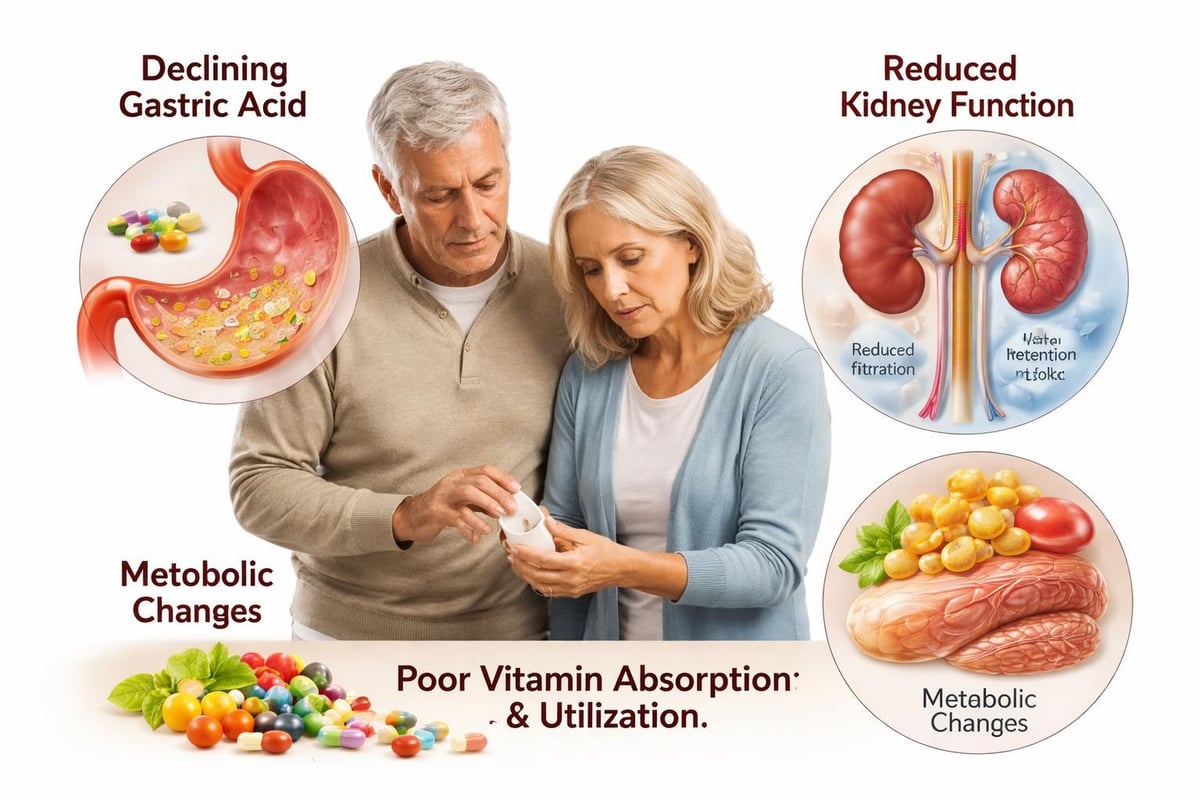
As we move through our mid-forties and beyond, our bodies undergo fundamental changes that affect how we process and utilize nutrients. Gastric acid production decreases, making it more challenging to extract vitamins and minerals from food alone. This physiological shift creates a nutritional gap that often requires strategic supplementation.
The decline in nutrient absorption isn't uniform across all vitamins. Fat-soluble vitamins like D, E, and K face particular challenges, while water-soluble B vitamins and vitamin C require consistent daily intake since the body cannot store them effectively. When you take a vitamin becomes equally important as which vitamin you choose.
Key Physiological Changes Affecting Nutrient Status
Several biological processes change after 45, impacting your vitamin requirements:
- Reduced stomach acid production decreases B12 absorption by up to 30%
- Declining kidney function affects vitamin D activation
- Slower metabolism alters how efficiently nutrients reach cells
- Hormonal changes increase oxidative stress and inflammation
- Medication interactions can deplete specific vitamin stores
Research from clinical recommendations published by family physicians emphasizes the importance of personalized supplementation strategies for adults over 45. Your individual health status, medications, and lifestyle factors all influence whether you should take a vitamin and which formulations offer the greatest benefit.
The Right Time to Take a Vitamin
Timing significantly influences how effectively your body absorbs and uses supplementation. When you take a vitamin can enhance or diminish its bioavailability, affecting the overall value you receive from your supplement regimen.
Fat-soluble vitamins (A, D, E, K) absorb best when consumed with meals containing healthy fats. Taking these vitamins with avocado, nuts, olive oil, or fatty fish maximizes absorption rates. Conversely, water-soluble vitamins (B-complex, C) can be taken on an empty stomach, though some people experience mild nausea and prefer taking them with food.
Optimal Timing Guidelines
| Vitamin Type | Best Time | Reason |
|---|---|---|
| Vitamin D | Morning with breakfast | Supports circadian rhythm, may affect sleep if taken late |
| B-Complex | Morning | Provides energy, may interfere with sleep |
| Vitamin C | Split doses (morning/evening) | Short half-life, better sustained levels |
| Multivitamin | With largest meal | Maximizes absorption of various nutrients |
The Endocrine Society recommends specific vitamin D intake that healthy adults under 75 should follow, with higher doses potentially benefiting adults over 75. This highlights how age-specific guidance matters when you decide to take a vitamin.
Choosing Quality Over Convenience
Not all vitamin supplements deliver equal value. The supplement industry offers countless options, but quality varies dramatically between manufacturers. For adults over 45, choosing formulations specifically designed for healthy ageing provides targeted support where it matters most.
Bioavailability determines how much of a vitamin your body actually absorbs and uses. Cheap synthetic forms often pass through your system with minimal absorption. Premium formulations use chelated minerals, activated B vitamins, and cofactors that enhance utilization.
When evaluating whether to take a vitamin, consider these quality indicators:
- Third-party testing for purity and potency
- Transparent labeling showing exact ingredient amounts
- Pharmaceutical-grade manufacturing standards
- Absence of unnecessary fillers and artificial additives
- Evidence-based formulations supported by clinical research
Lifeguard Essentials exemplifies this approach, combining research-backed ingredients specifically formulated for the needs of adults over 45. Understanding the science behind formulations helps you make informed decisions about which supplements deserve your investment.
Red Flags in Vitamin Products
- Proprietary blends hiding ingredient amounts
- Megadoses far exceeding recommended daily values
- Unsubstantiated health claims
- Lack of manufacturing certification
- Extremely low prices suggesting poor quality
Evidence-Based Vitamin Strategies for Healthy Ageing
Scientific research provides clear guidance on which vitamins matter most for maintaining vitality, cognitive function, and immune strength as we age. While the marketplace promotes countless supplements, focusing on core nutrients with proven benefits delivers better results than scattering your efforts across dozens of products.
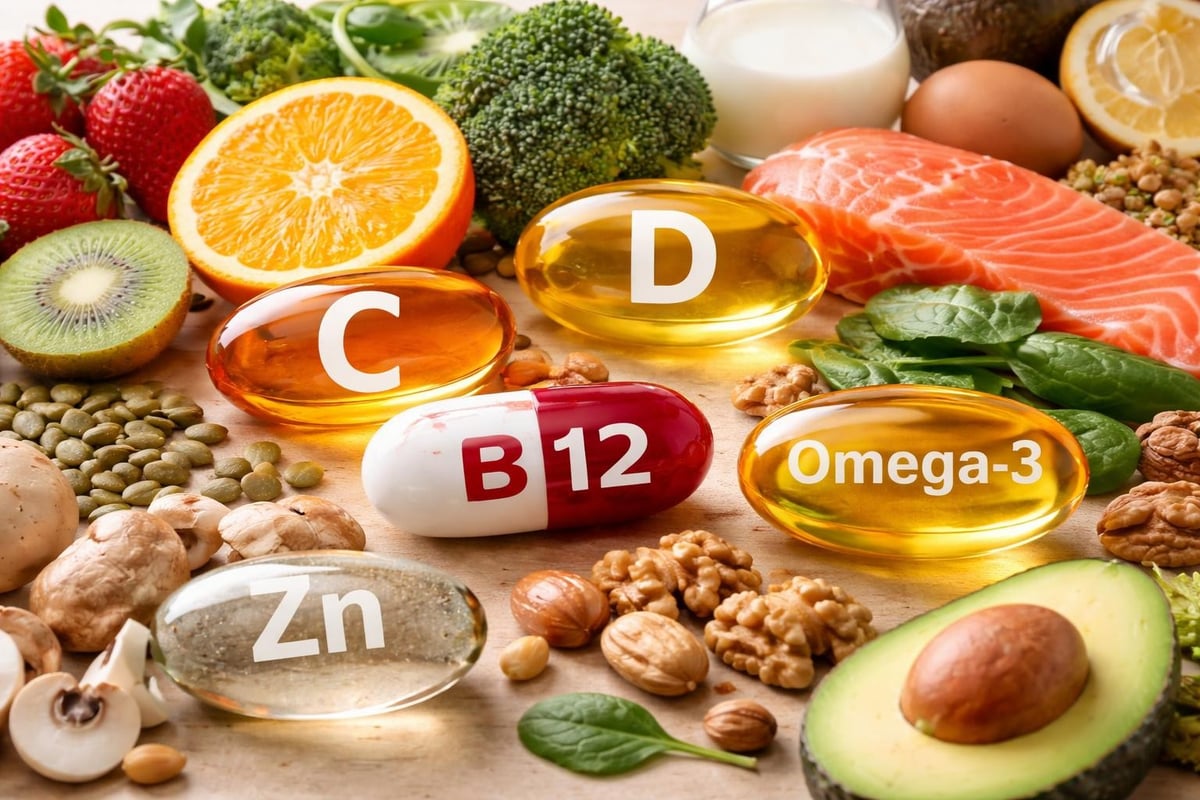
Vitamin D stands out as particularly critical for adults over 45. Beyond bone health, vitamin D influences immune function, mood regulation, and inflammatory response. Harvard Health guidelines on vitamin D supplementation recommend daily intake targets and highlight the importance of supplementation for older adults, especially those with limited sun exposure.
Core Vitamins Supporting Healthy Ageing
The decision to take a vitamin should prioritize nutrients with the strongest evidence base for adults over 45:
- Vitamin D3: Supports immune function, bone density, and mood regulation
- B-Complex vitamins: Essential for energy production, cognitive health, and homocysteine metabolism
- Vitamin C: Powerful antioxidant supporting immune function and collagen synthesis
- Vitamin E: Protects cell membranes from oxidative damage
- Vitamin K2: Works synergistically with vitamin D for bone and cardiovascular health
Research examining vitamin supplementation for maintaining cognitive function in mid and late life provides valuable insights, though findings emphasize the complexity of nutrition science and the importance of comprehensive approaches rather than single-nutrient solutions.
Addressing Common Concerns About Vitamin Supplementation
Many adults hesitate to take a vitamin due to conflicting information, concerns about necessity, or uncertainty about potential interactions. Addressing these concerns with evidence-based information helps you make confident decisions aligned with your health goals.
"Can't I get everything from food?" While an ideal diet provides substantial nutrition, modern agricultural practices, soil depletion, and food processing reduce nutrient density. Additionally, age-related absorption challenges mean even excellent diets may not fully meet nutritional needs after 45.
Medication and Vitamin Interactions
Certain medications affect vitamin status or interact with supplements:
| Medication Type | Vitamin Interaction | Consideration |
|---|---|---|
| Statins | May reduce CoQ10 | Consider supplementation |
| Proton pump inhibitors | Decrease B12 and magnesium absorption | Monitor levels regularly |
| Metformin | Depletes B12 | Supplementation often necessary |
| Blood thinners | Interact with vitamin K | Maintain consistent intake |
Always consult healthcare providers before you take a vitamin if you're on prescription medications. Understanding how we age provides additional context for why supplementation becomes increasingly important as we navigate our mature years.
Personalized Approaches to Vitamin Supplementation
Generic one-size-fits-all recommendations rarely address individual nutritional needs effectively. Your optimal vitamin strategy depends on factors including diet quality, sun exposure, stress levels, exercise habits, existing health conditions, and genetic variations affecting nutrient metabolism.
Blood testing provides objective data about your current vitamin status. Common tests measure vitamin D, B12, folate, and iron levels. While not necessary for everyone who chooses to take a vitamin, testing helps identify specific deficiencies requiring targeted intervention.
Consider these personalization factors:
- Dietary patterns: Vegetarians and vegans require different supplementation than omnivores
- Geographic location: Limited sunlight increases vitamin D needs
- Stress levels: Chronic stress depletes B vitamins and magnesium
- Physical activity: Active individuals need higher antioxidant support
- Health conditions: Specific diagnoses may increase or decrease vitamin requirements
Managing inflammation through targeted nutrition represents a key strategy for healthy ageing. The right combination of vitamins and phytonutrients supports your body's natural anti-inflammatory processes.

Building a Sustainable Vitamin Routine
Consistency matters more than perfection when you take a vitamin for long-term health benefits. Establishing sustainable habits ensures you actually follow through on your supplementation strategy rather than abandoning it after a few weeks.
Create anchoring habits by linking vitamin intake to existing routines. Taking your supplements with breakfast, while brewing morning coffee, or before brushing your teeth helps build automatic behavior patterns that don't require willpower or decision-making.
Practical Implementation Strategies
- Keep vitamins visible in daily-use locations
- Use weekly pill organizers to track adherence
- Set smartphone reminders for optimal timing
- Purchase adequate supply to avoid gaps
- Track how you feel to reinforce positive associations
The Lifeguard Health approach emphasizes simplicity and science-backed formulations that make it easier to maintain consistent supplementation without juggling multiple bottles. Streamlined regimens increase compliance and deliver better long-term results.
Seasonal Considerations for Vitamin Intake
Your vitamin needs fluctuate throughout the year based on sun exposure, dietary patterns, illness risk, and activity levels. Strategic adjustments ensure optimal support during each season's unique challenges.
Winter months increase vitamin D requirements due to reduced sunlight, while also elevating immune support needs during cold and flu season. Many people find they need to take a vitamin D supplement more consistently from May through August in the Southern Hemisphere.
Summer often brings improved vitamin D status from sun exposure, but increased outdoor activity elevates antioxidant needs to counter oxidative stress from UV radiation and physical exertion. Hydration status also affects how efficiently you absorb and utilize water-soluble vitamins.
Spring and autumn represent transition periods where maintaining consistent supplementation helps smooth the shift between seasonal extremes. Lifeguard Immune provides targeted support during seasonal transitions when immune systems face additional challenges.
The Role of Vitamin Synergy
Individual vitamins rarely work in isolation. Understanding nutrient synergies helps you take a vitamin in combinations that enhance overall effectiveness rather than competing for absorption or creating imbalances.
Vitamin D and K2 work together to direct calcium properly, supporting bone density while preventing arterial calcification. Taking one without the other may create suboptimal outcomes. Similarly, vitamin C regenerates vitamin E, extending its antioxidant capacity throughout cellular membranes.
Key Vitamin Partnerships
Optimizing these relationships maximizes the value when you take a vitamin:
- B vitamins: Work as a team in energy metabolism; best taken together
- Vitamins C and E: Synergistic antioxidant protection
- Vitamins D and K2: Complementary bone and cardiovascular support
- Vitamin B12 and folate: Both necessary for healthy cell division
Research-backed formulations account for these synergies, providing balanced ratios that support optimal nutrient interactions. This comprehensive approach delivers better results than randomly combining individual supplements.
Monitoring Your Progress and Adjusting Strategy
Once you commit to take a vitamin regularly, tracking outcomes helps refine your approach over time. Subjective improvements in energy, sleep quality, mood, and resilience provide valuable feedback, while periodic blood work offers objective measurements.
Keep a simple journal noting:
- Energy levels throughout the day
- Sleep quality and restoration
- Immune resilience (frequency and duration of illness)
- Mood and mental clarity
- Physical recovery from exercise or stress
Changes often emerge gradually over weeks or months rather than immediately. Patience allows your body to replenish depleted stores and restore optimal cellular function. Most people notice meaningful improvements within 6-12 weeks of consistent, quality supplementation.
The science of specific nutrients demonstrates how compounds work at cellular levels to support healthy ageing. Understanding these mechanisms reinforces the value of your commitment to take a vitamin consistently.
Beyond Vitamins: A Holistic Perspective
While the decision to take a vitamin supports healthy ageing, supplementation represents just one component of comprehensive wellness strategy. Nutrition, physical activity, stress management, sleep quality, and social connection all contribute to vitality beyond what any supplement can provide alone.
Think of vitamins as nutritional insurance, filling gaps and optimizing function, but not replacing foundational health behaviors. A sedentary lifestyle, chronic stress, or poor sleep undermines even the best supplementation program.
| Health Pillar | Primary Strategy | Vitamin Support Role |
|---|---|---|
| Nutrition | Whole food diet | Fills dietary gaps |
| Exercise | Regular movement | Supports recovery and adaptation |
| Sleep | Consistent schedule | Aids relaxation and cellular repair |
| Stress | Management practices | Replenishes stress-depleted nutrients |
Understanding why lifestyle matters provides context for integrating supplementation into broader health optimization. Vitamins enhance a strong foundation rather than compensating for poor habits.
Choosing to take a vitamin represents an investment in your long-term vitality, particularly as your body's nutritional demands evolve after 45. By focusing on quality formulations, optimal timing, and evidence-based nutrients, you support healthy ageing at the cellular level. Lifeguard Health offers New Zealand-made supplements specifically formulated by Dr. Roderick Mulgan for adults over 45, providing the targeted nutritional support your body needs to thrive throughout your mature years.