
Vitamin A Daily Guide: Essential Tips for 2026
Are you getting enough vitamin a daily? In 2026, as proactive nutrition shapes new health trends, understanding your vitamin a daily needs is more vital than ever. Vitamin A is crucial for your vision, immune system, and overall wellbeing, but both deficiency and excess can lead to serious health challenges.
This guide will equip you with the latest, science-backed insights and practical strategies to ensure optimal vitamin A intake every day. You will discover what vitamin A is, its essential roles in your body, recommended daily amounts, the best food sources, and how to avoid common pitfalls.
Read on for expert tips and your essential daily guide to vitamin A for a healthier, more vibrant you in 2026.
Understanding Vitamin A: Forms, Functions, and Importance
Vitamin A is more than just a single nutrient. It is a group of essential compounds that play a vital role in your health. Understanding vitamin A daily needs and how to meet them is key for optimal wellbeing in 2026.

What is Vitamin A?
Vitamin A refers to a family of fat-soluble compounds, including retinol, retinal, retinoic acid, and several provitamin A carotenoids like beta-carotene. These compounds are crucial for many body processes.
There are two main forms: preformed vitamin A, found in animal products, and provitamin A, found in plant foods. Preformed vitamin A is ready for use, while provitamin A must be converted in the body. Because it is fat-soluble, vitamin A is stored in the liver, ensuring reserves for times of low intake.
Your body cannot produce vitamin A daily in its active form, so you must get it from your diet. Retinol activity equivalents (RAE) are used to measure vitamin A content, standardizing intake from various sources.
Key Health Functions of Vitamin A
Vitamin A daily intake is fundamental for several critical health functions. The most recognized is its role in forming rhodopsin, a pigment necessary for vision in low light and color perception.
Here are key functions of vitamin A:
| Function | Role in Health |
|---|---|
| Vision | Supports night and color vision |
| Skin & Mucosa | Maintains healthy skin and mucous membranes |
| Immunity | Regulates immune system and helps resist infections |
| Cell Growth | Enables cellular differentiation and tissue repair |
| Reproduction | Vital for reproductive health and fetal development |
| Antioxidant | Beta-carotene protects against oxidative stress |
| Organ Health | Supports heart, lungs, kidneys, and more |
Vitamin A daily requirements also support organ health and help regulate the immune system, reducing the risk of infections. Its antioxidant properties, especially from beta-carotene, help protect cells from damage and support healthy ageing.
Ensuring vitamin A daily intake also aids in proper cell growth and differentiation, which is crucial for healing and regeneration.
Who Needs Vitamin A Most?
Certain groups have increased vitamin A daily needs. Children require adequate intake for growth and development. Pregnant and breastfeeding women need more to support fetal growth and infant health.
Adults over 45 should pay special attention to vitamin A daily intake, as it supports vision, immunity, and cell repair, all of which become more important with age. According to nutrition experts, adults generally need between 700 and 850 micrograms RAE per day to maintain optimal health.
The Latest Science: Why 2026 Matters
Scientific understanding of vitamin A daily requirements continues to evolve. New dietary guidelines emphasize balanced micronutrient intake, and recent research highlights the link between vitamin A and healthy ageing. Modern diets, which may lack variety or include more processed foods, can impact vitamin A status.
Emerging evidence shows that maintaining optimal vitamin A daily levels may help prevent chronic diseases and improve longevity. For more on vitamins’ impact on long-term health, see Vitamins and Longevity Insights.
Common Myths and Misconceptions
A common misconception is that only animal foods provide vitamin A daily. In reality, many plant foods supply provitamin A carotenoids, which the body can convert to active vitamin A.
Another myth is that more vitamin A daily is always better. Excessive supplementation can be harmful, so moderation and evidence-based intake are essential.
Daily Vitamin A Requirements: How Much Do You Really Need?
Understanding your vitamin a daily requirements is the first step towards safeguarding your health in 2026. The right intake supports vision, immunity, and overall well-being. Needs vary by age, gender, and life stage, so it is crucial to stay informed and tailor your diet accordingly.

Recommended Intake by Age, Gender, and Life Stage
Vitamin a daily needs are not one size fits all. The latest nutritional guidelines for 2026 provide specific intake recommendations for different groups. Here is a summary:
| Group | Recommended Intake (µg RAE/day) |
|---|---|
| Infants (0–12 months) | 350–500 |
| Children (1–13 years) | 300–600 |
| Adolescents | 700–950 |
| Adult men | 850 |
| Adult women | 700 |
| Pregnant women | 800 |
| Breastfeeding women | 1,300 |
These values are based on recent findings from Novogenia and Metropolis, as well as updated dietary standards. Requirements are higher for pregnant and breastfeeding women due to the increased demand for fetal growth and milk production. Children and adolescents need adequate vitamin a daily intake to support development and immune function.
Adults over 45, in particular, should pay attention to their vitamin a daily intake. Ageing can affect absorption and metabolism, making it important to include reliable sources in the diet. For more detailed guidance, consult the 2020-2025 Dietary Guidelines for Americans.
Retinol Activity Equivalents (RAE): What They Mean
Vitamin a daily recommendations use Retinol Activity Equivalents (RAE) to standardize different forms of vitamin A. RAE accounts for the varying bioavailability of animal-based retinol and plant-based carotenoids.
1 µg RAE equals:
- 1 µg retinol (from animal foods)
- 12 µg beta-carotene (from plants)
Not everyone converts carotenoids to active vitamin A with the same efficiency. Factors like genetics, gut health, and dietary fat influence this process. Understanding RAE ensures you meet your vitamin a daily needs, regardless of whether you prefer animal or plant sources.
Factors Affecting Vitamin A Needs
Several factors can impact your vitamin a daily requirements:
- Health conditions: Malabsorption syndromes, liver disease, and pancreatic disorders can reduce absorption.
- Lifestyle: High alcohol consumption, low-fat diets, and veganism may increase risk of deficiency.
- Medications: Some drugs interfere with absorption or metabolism.
- Chronic illnesses: Certain conditions heighten the need for careful vitamin a daily management.
Personalized assessment is important. For example, vegans should focus on carotenoid-rich foods and ensure adequate fat intake for optimal absorption. If you have underlying health issues, consult a healthcare provider to evaluate your vitamin a daily status.
Risks of Too Little or Too Much
Both insufficient and excessive vitamin a daily intake carry health risks. Deficiency can lead to night blindness, weakened immunity, and skin problems. Children may experience growth delays, while adults face increased infection risk.
On the other hand, excess vitamin a daily consumption, especially from supplements, can cause toxicity. Symptoms include headaches, liver damage, and in pregnant women, risk of birth defects. The maximum safe daily dose for adults is 3,000 µg RAE.
Maintaining vitamin a daily intake within the recommended range is essential for health. Monitor your diet, avoid unnecessary supplements, and seek medical advice if you suspect an imbalance.
Top Dietary Sources of Vitamin A: Animal and Plant-Based Options
Are you looking for practical ways to meet your vitamin a daily needs in 2026? The right food choices can make a significant difference in your overall health, helping you maintain optimal vision, immunity, and well-being. Let’s explore the most effective sources of vitamin A, including both animal and plant-based options, so you can build a balanced and proactive nutrition plan.

Animal-Based Sources: Preformed Vitamin A
Animal products provide preformed vitamin A, which the body absorbs and uses efficiently. Foods like liver, cod liver oil, egg yolks, dairy, and oily fish offer the highest concentrations. For example, pork liver contains 39 mg per 100g, cod liver oil has 25.5 mg per 100g, and beef liver provides 18 mg per 100g. Eggs and dairy products, such as cheese and butter, also contribute to vitamin a daily intake, though in smaller amounts.
Here’s a quick comparison of top animal sources:
| Food | Vitamin A (mg/100g) |
|---|---|
| Pork liver | 39 |
| Cod liver oil | 25.5 |
| Beef liver | 18 |
| Eggs | 0.27 |
| Cheese | 0.28 |
Bioavailability from these foods is high, meaning your body can use vitamin a daily from animal sources very effectively. However, pregnant women should limit liver due to the risk of excessive intake.
Plant-Based Sources: Provitamin A Carotenoids
Plant foods do not contain active vitamin A, but they are rich in provitamin A carotenoids, especially beta-carotene. The body converts these compounds into usable vitamin A, so including a variety of colorful vegetables and fruits is essential for meeting vitamin a daily requirements, particularly for those who prefer plant-based diets.
Excellent plant sources include:
- Carrots
- Sweet potatoes
- Spinach
- Kale
- Pumpkin
- Mangoes
- Apricots
Carrots and leafy greens like spinach and kale are especially potent, ranking among the top contributors to vitamin a daily intake from plant foods. The conversion efficiency can vary, but these foods are a reliable foundation for most diets.
Meeting Vitamin A Needs on a Vegan or Vegetarian Diet
Vegans and vegetarians can successfully meet vitamin a daily targets by focusing on carotenoid-rich foods. It is important to consume a mix of orange, yellow, and dark green vegetables and fruits. Adding healthy fats such as olive oil, nuts, or avocado to meals enhances absorption, since vitamin A is fat-soluble.
Factors like genetics, gut health, and very low-fat diets may reduce the conversion of carotenoids to active vitamin A. If you have concerns, consult a nutritionist to ensure your vitamin a daily intake is sufficient and tailored to your needs.
Cooking and Preparation Tips to Maximise Absorption
The way you prepare your food can influence how much vitamin a daily your body absorbs. Steaming or sautéing vegetables like carrots and spinach increases carotenoid availability, making them more accessible for conversion to vitamin A.
Pairing these foods with healthy fats — such as a drizzle of olive oil or sliced avocado — further boosts absorption. Avoid overcooking, as excessive heat can degrade carotenoids and lower vitamin a daily content in your meals.
Supplements: When and How to Use Them
Supplements can help in certain situations, such as diagnosed deficiency, malabsorption disorders, or specific life stages like pregnancy. Common supplement forms include retinyl acetate, retinyl palmitate, and beta-carotene. Always consult a healthcare professional before starting any vitamin A supplement, as excessive intake can be harmful.
For most healthy adults, a balanced diet provides enough vitamin a daily, making routine supplementation unnecessary. Consider the Food as Medicine Approach to prioritize whole foods and optimize your nutrient intake naturally.
Vitamin A Deficiency and Overdose: Signs, Causes, and Solutions
Understanding the balance of vitamin a daily is essential for optimal health. Both deficiency and overdose can lead to serious, sometimes irreversible, health consequences. Recognizing the signs, knowing the causes, and learning how to address these issues empowers you to take control of your well-being.
Causes and Risk Factors for Deficiency
Vitamin a daily deficiency can occur for several reasons. The most common cause is poor dietary intake, especially in regions where access to animal products and carotenoid-rich vegetables is limited. Individuals with malabsorption syndromes, such as Crohn’s disease or pancreatic insufficiency, are also at higher risk since their bodies cannot absorb fat-soluble vitamins efficiently.
Chronic alcoholism impairs the liver’s ability to store and release vitamin a daily, further increasing deficiency risk. Strict vegan diets lacking sufficient carotenoids, especially when combined with low-fat intake, may also result in inadequate levels. According to recent data, deficiency is rare in developed countries, but in some regions, up to 15 percent of adults may be affected. You can find more on prevalence in the Vitamin A deficiency prevalence in the U.S. report.
Older adults, infants, and pregnant or breastfeeding women need to monitor their vitamin a daily closely due to higher physiological demands. Lifestyle and health status should always be considered.
Symptoms and Health Effects of Deficiency
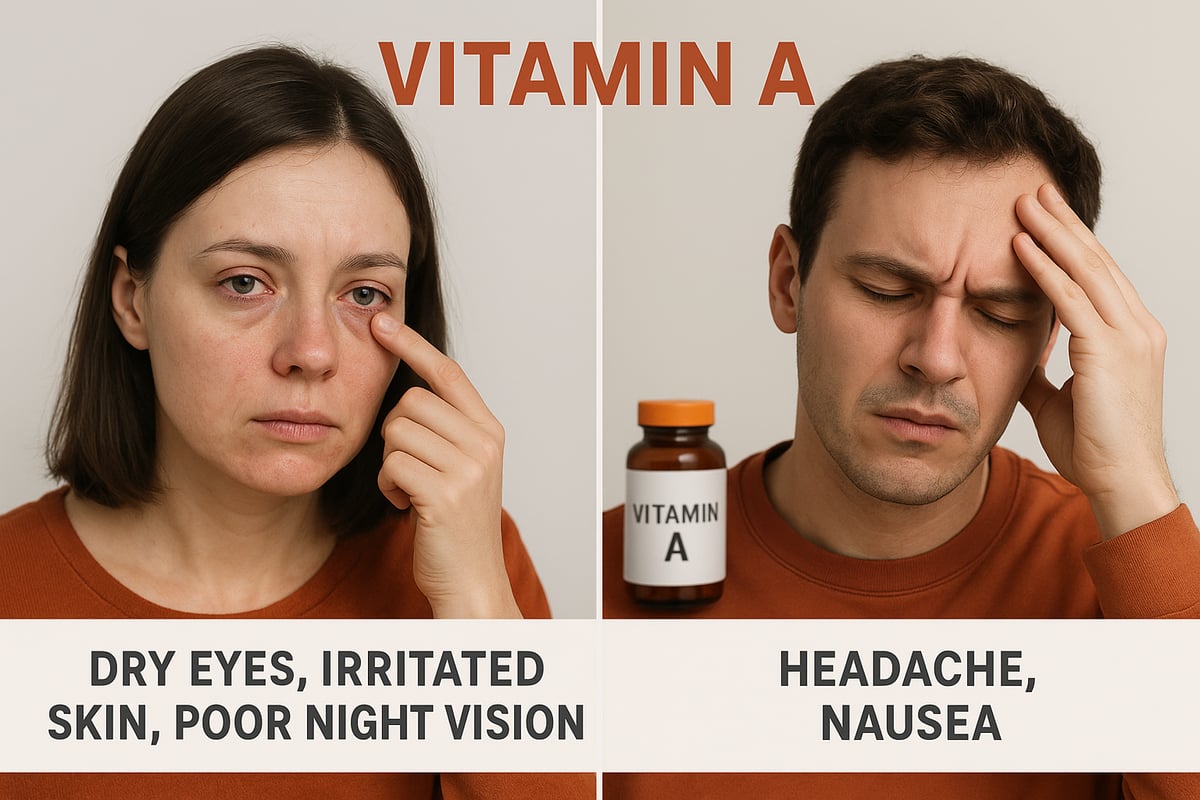
Early symptoms of inadequate vitamin a daily include night blindness, where seeing in low light becomes difficult, and persistent dryness or irritation of the eyes. The skin may become dry, rough, or prone to infections due to impaired mucous membrane health.
If deficiency progresses, more severe issues can develop. These include Bitot’s spots (foamy patches on the whites of the eyes), keratomalacia (softening and thickening of the cornea), and ultimately, complete blindness if left unaddressed. The immune system is also compromised, making infections like measles or diarrhea more frequent and severe.
In children, vitamin a daily deficiency can lead to stunted growth and developmental delays. Adults may experience reproductive difficulties and increased susceptibility to respiratory or urinary tract infections. Recognizing these symptoms early is crucial for prompt intervention.
Diagnosis and Treatment of Deficiency
Diagnosing vitamin a daily deficiency involves a combination of blood tests and clinical evaluation. Severe cases typically show low serum retinol levels. Healthcare providers may also look for characteristic signs such as night blindness, skin changes, and mucous membrane alterations.
Treatment usually starts with supervised high-dose vitamin a daily supplementation to quickly restore adequate levels. This is followed by maintenance dosing to prevent recurrence. Addressing underlying causes, such as improving diet or managing malabsorption conditions, is essential for long-term success.
Ongoing monitoring ensures that vitamin a daily levels remain within a healthy range. Regular follow-ups and tailored dietary advice are recommended for those at risk.
Causes and Risks of Vitamin A Overdose
While deficiency is a concern, excessive vitamin a daily intake is also dangerous. Overdose most often results from inappropriate use of supplements rather than food sources. Since vitamin A is fat-soluble, it accumulates in body tissues and is not quickly eliminated.
Pregnant women are particularly vulnerable, as high vitamin a daily intake can cause serious birth defects. The maximum safe daily dose for adults is 3,000 micrograms RAE. Exceeding this limit, especially over time, increases the risk of toxicity.
Other risk factors include self-medicating with high-dose supplements, liver disorders, or consuming large amounts of animal liver. Children are more sensitive to excess amounts and require careful supervision.
Symptoms and Consequences of Excess Intake
Acute vitamin a daily toxicity presents quickly with symptoms such as headache, nausea, vomiting, and blurred vision. These signs often appear within hours or days of consuming a very large dose.
Chronic toxicity develops more slowly, usually from prolonged high intake of vitamin a daily supplements. Common effects include dry, peeling skin, hair loss, liver damage, bone pain or thinning, irritability, and insomnia. In pregnant women, excessive intake can result in fetal malformations and other complications.
It is important to recognize these symptoms early and seek medical attention if vitamin a daily overdose is suspected. Reducing or stopping supplementation and medical management are usually required.
Safe Supplementation: Avoiding Pitfalls
Supplementing vitamin a daily should always be done under professional supervision. Only take supplements if prescribed after confirming a deficiency or increased need. Dosage and duration must be carefully monitored to prevent toxicity.
Pregnant women should avoid liver and high-dose vitamin a daily supplements unless advised by a healthcare provider. For most healthy adults, a balanced diet provides sufficient vitamin a daily to meet the body’s needs. Regular check-ins with a nutritionist or doctor help ensure ongoing safety and health.
Practical Steps to Optimise Your Daily Vitamin A Intake in 2026
Optimising your vitamin a daily intake in 2026 requires a proactive, structured approach. By following these six practical steps, you can ensure your body gets this essential nutrient consistently and safely.
Step 1: Assess Your Current Intake and Risk Factors
Begin by evaluating your typical vitamin a daily intake. Review your recent meals and snacks to identify sources like leafy greens, orange vegetables, dairy, eggs, and fish.
Consider your age, overall health, and dietary habits. Are you vegan, vegetarian, or following a restricted diet? Chronic illnesses or digestive issues may also impact how much vitamin a daily your body absorbs.
For a more precise assessment, use online nutrient tracking tools or consult a registered nutritionist. This step helps you spot gaps and tailor your plan for optimal vitamin a daily intake.
Step 2: Plan Balanced Meals with Vitamin A Sources
To meet your vitamin a daily needs, intentionally build meals that feature both animal and plant-based sources. Include at least one serving of carrots, sweet potatoes, or spinach with each main meal.
For those who avoid animal products, increase the variety and frequency of carotenoid-rich vegetables and fruits. Aim for a colorful plate, as different pigments often indicate diverse nutrient profiles.
Balance is key. By planning ahead, you support your vitamin a daily requirements and make healthy eating a routine part of your lifestyle.
Step 3: Enhance Absorption with Smart Food Pairings
Maximise your vitamin a daily absorption by pairing carotenoid-rich foods with healthy fats. Add olive oil, nuts, seeds, or avocado to salads or cooked vegetables.
Cooking methods matter. Lightly steaming or sautéing vegetables can boost the bioavailability of provitamin A carotenoids. However, avoid prolonged cooking, which can degrade nutrients.
If your diet is very low in fat, you may not absorb enough vitamin a daily. Mindful food preparation ensures you get the full benefit from every meal.
Step 4: Monitor for Deficiency or Excess Symptoms
Stay alert to your body's signals regarding vitamin a daily status. Early deficiency signs include night blindness, dry skin, and frequent infections. On the other hand, excess intake may cause headaches, fatigue, or irritability.
If you are in a high-risk group—such as older adults, pregnant women, or those with chronic health conditions—schedule regular check-ups. Blood tests can confirm your vitamin a daily levels if symptoms persist.
Proactive monitoring helps you address imbalances before they affect your health.
Step 5: Supplement Wisely When Needed
Supplements may be necessary to meet your vitamin a daily requirements under certain circumstances, such as diagnosed deficiency, absorption disorders, or increased needs during pregnancy or breastfeeding.
Consult a healthcare provider before starting any supplement. Choose the correct form—retinol or beta-carotene—and follow dosing instructions precisely. Over-supplementation can lead to toxicity and serious health risks.
For most healthy adults, a balanced diet provides enough vitamin a daily, making supplements unnecessary unless medically indicated.
Step 6: Stay Updated with 2026 Nutrition Guidelines
Nutritional science evolves, and vitamin a daily recommendations can change as new research emerges. Refer to trusted sources like EFSA, DGE, or your local health ministry for the latest advice.
Staying informed is especially important for older adults, as vitamin A plays a crucial role in healthy ageing. For a deeper look at how nutrition supports longevity, see the Healthy Ageing and Nutrition resource.
By staying current, you can adjust your vitamin a daily practices to align with proven, up-to-date guidance.
Frequently Asked Questions About Vitamin A
Are you still unsure about the best approach to vitamin a daily intake? Below you will find concise answers to the most common questions, helping you make informed choices for yourself and your family.
What’s the Difference Between Preformed and Provitamin A?
Understanding the forms of vitamin a daily is fundamental for proper nutrition. Preformed vitamin A (retinol) comes from animal-based foods, while provitamin A (mainly beta-carotene) is found in colorful fruits and vegetables. Your body converts provitamin A into active vitamin A, though the conversion rate depends on genetics, gut health, and overall diet. Notably, preformed vitamin A is more readily absorbed, but both types are essential for meeting your vitamin a daily needs. For a comprehensive overview of these forms and their health implications, explore this Vitamin A overview.
How Do I Know if I’m Getting Enough Vitamin A?
Wondering if your vitamin a daily intake is sufficient? Look out for subtle signs of deficiency such as poor night vision, frequent infections, or dry skin. Severe deficiency may present as more pronounced symptoms, but mild shortages can still impact health. If you suspect an imbalance, consult a healthcare provider for blood tests or dietary assessment. Tracking your vitamin a daily intake using nutrition apps or food diaries can help. Remember, both deficiency and excess are possible, so regular monitoring is wise.
Can I Get Too Much Vitamin A from Food?
Many people worry about exceeding their vitamin a daily requirement from food. Fortunately, toxicity from food alone is rare unless you eat large amounts of liver frequently. Most cases of excess vitamin A come from overusing supplements, not natural foods. Children and pregnant women are more sensitive to high doses, so caution is needed. It is best to meet your vitamin a daily needs through a balanced diet, limiting supplements to situations where they are medically necessary.
What Are the Best Sources for Different Diets?
Meeting your vitamin a daily requirements is achievable on any diet with careful planning. Animal-based diets offer preformed vitamin A from liver, eggs, and dairy. Vegetarians and vegans can rely on plant sources rich in beta-carotene like carrots, sweet potatoes, spinach, and kale. Adding healthy fats improves absorption. For those with allergies or picky eaters, pureed vegetables or fortified foods can help maintain vitamin a daily intake.
How Does Ageing Affect Vitamin A Needs?
As you age, your vitamin a daily requirements may shift. Older adults often experience changes in absorption and metabolism, which can increase the risk of deficiency. Vitamin A is crucial for vision, immune function, and cell repair, all of which become more important with age. Regularly reviewing your diet and considering age-specific guidance will help ensure your vitamin a daily needs are met for healthy ageing.
What Should Pregnant or Breastfeeding Women Know?
Pregnancy and breastfeeding increase the vitamin a daily requirement, but care is needed to avoid excess. Too much preformed vitamin A, especially from supplements or liver, can cause birth defects. Plant-based sources are safer, as the body limits conversion to active vitamin A. Always consult your doctor before starting supplements, and review current guidelines for vitamin a daily intake. For more on vitamin A’s role in immunity and women’s health, see Vitamin A and its role in immunity.
References
Accurate, science-backed information is essential for making informed vitamin a daily choices. The following authoritative sources were referenced throughout this guide:
- Novogenia: Nutritional statistics and vitamin A content in foods.
- Metropolis: Official guidelines on vitamin A daily intake for different age groups.
- EFSA (European Food Safety Authority): Safety limits and dietary recommendations for vitamin A.
- DGE (German Nutrition Society): Nutrient reference values and updated dietary guidelines.
- Why Nutraceuticals Matter: Insights on the role of nutraceuticals, such as vitamin A, in supporting daily health and disease prevention.
- Recent peer-reviewed studies on vitamin A metabolism, deficiency, and excess risks.
Consult these resources for the most current data on vitamin a daily recommendations and safe intake.
As you’ve seen, understanding and managing your vitamin A intake is crucial—especially as we focus more on healthy ageing and proactive nutrition in 2026. Whether you’re looking to support your vision, boost your immunity, or simply feel your best as you grow older, a personalised approach makes all the difference. If you’re curious about how your current habits stack up, or want guidance tailored to your needs, you can take the next step right now.
Discover your healthy ageing profile
and see how small changes today can support your wellbeing for years to come.