
Vitamins Are Essential: The Definitive Guide for 2026
In a world where health trends shift with every new discovery, one fact remains clear: vitamins are essential for health and longevity. As we look ahead to 2026, understanding why vitamins are essential can make all the difference in your well-being and energy.
This definitive guide unpacks the science behind vitamins, showing how they impact every system in your body. Our goal is to empower you with the latest research and practical steps for optimizing your vitamin intake—no matter your age or lifestyle.
We will explore the basics, review groundbreaking studies, bust common myths, and share strategies tailored for the years ahead. Ready to take control of your health? Let’s get started with the essential information you need for a vibrant future.
The Fundamentals of Vitamins: What They Are and Why You Need Them
Vitamins are essential for life, yet many people overlook just how critical they are for everyday health. Defined as organic compounds required in small amounts, vitamins are essential because the body cannot synthesize most of them in sufficient quantities. Our bodies depend on these micronutrients for survival, growth, and long-term wellness.
The history of vitamins began in the late 19th and early 20th centuries, when scientists discovered that specific diseases, like scurvy and rickets, could be prevented by certain foods. This breakthrough revealed that vitamins are essential for preventing deficiency diseases and maintaining normal physiological functions. Today, we know there are 13 recognized vitamins, each playing a distinct role in the body.
Vitamins are classified into two main groups: water-soluble and fat-soluble. This classification affects how they are absorbed, stored, and used in the body.
| Classification | Examples | Storage | Risk of Deficiency/Toxicity |
|---|---|---|---|
| Water-soluble | B-complex, C | Not stored, excreted in urine | Deficiency more common, toxicity rare |
| Fat-soluble | A, D, E, K | Stored in liver and fatty tissue | Deficiency less common, toxicity possible with excess |
This distinction helps explain why vitamins are essential to health. Water-soluble vitamins need regular replenishment, while fat-soluble ones can accumulate, making balance important.
Core functions of vitamins include:
- Supporting metabolism and energy production
- Strengthening the immune system
- Promoting cell growth and repair
- Maintaining vision and skin health
- Building and protecting bones
Because vitamins are essential, recommended daily allowances (RDAs) have been established for each one. These requirements vary by age, gender, and health status. For example, children, pregnant women, and adults over 45 have different needs. Not meeting these needs can lead to a variety of health problems. Deficiency symptoms may include fatigue, weakened immunity, poor concentration, and even long-term cognitive decline.
One striking example is vitamin D deficiency. According to the World Health Organization, 1 in 3 adults over age 40 worldwide is deficient in vitamin D as of 2023. This highlights why vitamins are essential for healthy aging and disease prevention.
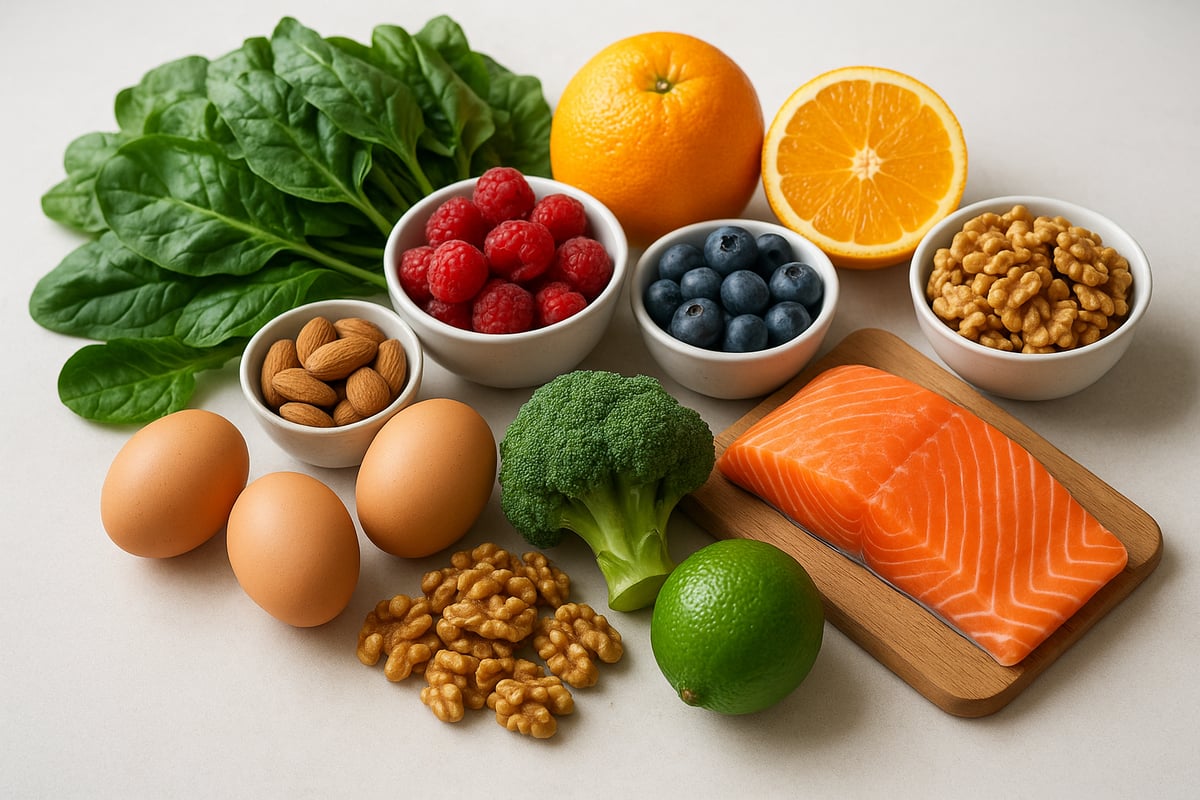
Where do we get these vital nutrients? The best sources are whole foods such as fruits, vegetables, lean meats, dairy, nuts, and seeds. Some foods are fortified to help prevent deficiencies, and supplements are available when dietary sources are insufficient. To understand how vitamins fit within the broader category of health-promoting compounds, see Nutraceuticals in Superfoods Explained.
In summary, vitamins are essential for nearly every aspect of health. Meeting your vitamin needs is not just about avoiding deficiency, but about laying the foundation for a healthy, vibrant life at any age.
The Latest Science: New Discoveries and Trends in Vitamin Research for 2026
The landscape of nutrition science is advancing rapidly, and nowhere is this more evident than in our understanding of why vitamins are essential. Researchers are uncovering new ways these micronutrients interact with our bodies, paving the way for more targeted health strategies. In 2026, fresh discoveries and trends are shaping how we approach vitamin intake, supplementation, and the prevention of chronic disease.
Advances in Vitamin Research
Recent years have brought major breakthroughs in understanding why vitamins are essential for individual health. Genomics research now reveals that our genes influence how we metabolize and absorb different vitamins, making personalized nutrition more achievable than ever. For example, some people have genetic variations that affect vitamin D activation or B12 absorption, which can impact their long-term health.
The human microbiome is another area of intense study. Scientists have found that certain gut bacteria synthesize vitamins like K and some B vitamins, affecting our nutritional status. This means that gut health and a balanced microbiome may play a crucial role in ensuring vitamins are essential for optimal well-being.
Clinical trials continue to highlight the role of vitamins in chronic disease prevention. A striking example is a 2025 study showing that personalized vitamin D3 dosing reduced the risk of recurrent heart attacks by 50 percent in patients with heart disease. You can read more about this breakthrough in the Vitamin D3 breakthrough halves risk of second heart attack.
These findings underscore that vitamins are essential not only for basic health but also for disease prevention. As science continues to uncover individual variability, the future of vitamin research points toward tailored approaches that address unique genetic and physiological needs.
Emerging Trends in Supplementation
As awareness grows that vitamins are essential for lifelong health, the supplement industry is evolving to meet changing needs. Innovative delivery systems like liposomal, nano-encapsulated, and time-release vitamins are becoming more mainstream, improving absorption and efficacy.
Plant-based and vegan-friendly formulations are gaining popularity, reflecting consumer demand for sustainable and ethical choices. Companies are focusing on eco-friendly packaging and responsibly sourced ingredients, further aligning with global sustainability goals. According to Statista, the global vitamin supplement market is projected to reach 60 billion dollars by 2026.
Table: Innovations in Vitamin Supplementation
| Trend | Benefit |
|---|---|
| Liposomal delivery | Enhanced absorption |
| Nano-encapsulation | Targeted release |
| Plant-based formulations | Suitable for vegans |
| Eco-friendly packaging | Reduced environmental impact |
These industry shifts highlight that vitamins are essential not only to individual health but also to broader environmental and ethical standards. Supplementation is now about both efficacy and responsibility, meeting the demands of a new generation of health-conscious consumers.
Debates and Controversies
Despite consensus that vitamins are essential, debate persists over the best ways to meet daily requirements. Should we rely on whole foods or supplements? Many experts argue that whole foods provide a complex matrix of nutrients, fiber, and phytochemicals that work synergistically, making them the ideal source.
However, for some populations, supplements are necessary to bridge dietary gaps or address medical conditions. Over-supplementation, though, can pose risks. Excessive intake of certain vitamins, such as A or E, may lead to toxicity. Regulatory bodies like the FDA and EFSA have updated guidelines in recent years, including new upper limits for vitamins A and E in 2024.
List: Common Controversies in Vitamin Use
- Whole foods versus supplements
- Risks of hypervitaminosis
- Evolving regulatory recommendations
Ultimately, the evidence shows that vitamins are essential for health, but balance is key. Making informed, evidence-based choices ensures safety and maximizes the benefits of both diet and supplementation.
Meeting Your Vitamin Needs at Every Life Stage
Navigating nutrition throughout life is a journey. As your body changes, so do your requirements. Understanding why vitamins are essential at every age can empower you to make the best choices for lifelong health. The following table summarizes the most critical vitamins by life stage:
| Life Stage | Key Vitamins | Functions | Common Risks |
|---|---|---|---|
| Childhood/Adolescence | A, D, C, B-complex | Growth, immunity, cognition | Deficiency, poor diet |
| Adults 18-45 | B6, B12, Folate, E | Energy, stress, reproduction | Lifestyle gaps |
| Over 45 | D, B12, Calcium, K | Bone, brain, heart health | Absorption, medication |
| Pregnancy/Lactation | Folate, D, Iron | Fetal/neonatal development | Birth defects |
| Special Diets | B12, D, Iron, Zinc | Varies by restriction | Dietary gaps |
Childhood and Adolescence
During childhood and adolescence, vitamins are essential for rapid growth, healthy development, and strong immunity. Vitamins A, D, C, and the B-complex group play pivotal roles in bone formation, vision, cognitive function, and resistance to infection.
Deficiencies can have profound impacts. For example, vitamin A deficiency is a leading cause of preventable blindness in children. According to UNICEF, vitamin A supplementation can reduce childhood blindness by 60 percent. Common challenges include picky eating, lack of access to nutrient-rich foods, and increased needs during growth spurts.
To support healthy development:
- Prioritize a varied diet rich in fruits, vegetables, dairy, and whole grains
- Encourage outdoor play for natural vitamin D synthesis
- Seek guidance on supplementation if needed
By recognizing that vitamins are essential for building lifelong health, parents and caregivers can set children up for success.
Adults 18-45
For adults aged 18 to 45, vitamins are essential for maintaining energy, managing stress, and supporting reproductive health. B6, B12, folate, and vitamin E are particularly crucial in this life stage.
Modern lifestyles can make it challenging to meet these needs. Busy schedules, irregular meals, and increased alcohol consumption may contribute to deficiencies. For instance, up to 20 percent of vegetarians experience B12 deficiency, according to Harvard Health.
Practical tips for this group include:
- Plan balanced meals that include a variety of food groups
- Limit processed foods and excessive alcohol
- Consider a multivitamin if dietary gaps are likely
Taking proactive steps ensures that vitamins are essential allies in your pursuit of health and vitality.
Adults Over 45: Special Considerations
As you age, vitamins are essential for protecting bone density, cognitive function, and cardiovascular health. Needs for vitamin D, B12, calcium, and vitamin K increase, while the body’s ability to absorb and utilize these nutrients often declines.
Age-related changes, such as reduced stomach acid, can impair B12 uptake. Chronic conditions and medications may also interfere with vitamin absorption. Notably, a 2025 meta-analysis found that vitamin D supplementation reduced fracture risk by 30 percent in seniors.
To address these age-specific challenges:
- Regularly monitor vitamin levels through check-ups
- Opt for foods and supplements tailored for older adults
- Be mindful of drug-nutrient interactions
Resources like Healthy Ageing and Vitamins offer guidance on optimizing intake as you age. For adults over 45, it becomes clear that vitamins are essential for sustaining quality of life and independence.
Pregnancy and Lactation
During pregnancy and lactation, vitamins are essential for both mother and baby. Folate, vitamin D, iron, and choline are particularly important for fetal brain and neural tube development.
A deficiency in folate can lead to neural tube defects and low birth weight. The CDC recommends 400 mcg of folic acid daily before conception and during early pregnancy.
Expectant and nursing mothers should:
- Consume prenatal vitamins as advised by healthcare providers
- Focus on iron-rich and calcium-rich foods
- Monitor vitamin D status, especially in regions with limited sunlight
Balancing these needs ensures that vitamins are essential for a healthy pregnancy and the best start for the next generation.
Special Diets and Lifestyles
For those following vegan, vegetarian, keto, paleo, or intermittent fasting diets, vitamins are essential to compensate for nutrients that may be lacking. B12, vitamin D, iron, and zinc are common concerns, especially in plant-based diets.
The British Dietetic Association reports that 35 percent of people on plant-based diets have vitamin D deficiency. For keto or paleo followers, restricting food groups can also create gaps.
Strategies for optimal nutrition include:
- Regularly assess your diet for potential deficiencies
- Use fortified foods or supplements when necessary
- Consult with a dietitian to personalize your plan
This approach ensures that vitamins are essential companions, regardless of dietary preference.
Vitamins and Healthy Ageing: Lifeguard Health’s Approach
Lifeguard Health recognizes that vitamins are essential for adults over 45, focusing on the unique requirements of healthy ageing. Their doctor-formulated supplements target common deficiencies, such as vitamin D, B12, and immune-supporting nutrients.

Developed by Dr. Roderick Mulgan and grounded in the latest clinical research, these products are designed for optimal absorption. Lifeguard Health also provides educational tools and quizzes to help users identify their specific needs.
Made in New Zealand with a commitment to quality and transparency, Lifeguard Health ensures that vitamins are essential for maintaining vitality and well-being as you age.
Common Vitamin Myths, Misconceptions, and Mistakes
Understanding the facts about vitamins is critical for making smart health decisions. As more people seek to improve their well-being, myths and misconceptions can lead to costly or even harmful mistakes. Despite overwhelming scientific evidence that vitamins are essential, confusion persists about how to use them safely and effectively.

Myth 1: More Is Always Better
Many believe doubling or tripling vitamin doses will boost health. In reality, overconsumption can be dangerous. Fat-soluble vitamins like A and E can accumulate in the body, leading to toxicity. The 2025 CDC report found that 12% of adults exceeded safe vitamin A intakes, risking liver problems and bone loss. Remember, vitamins are essential, but moderation is key to preventing harm.
Myth 2: Supplements Can Replace a Healthy Diet
Another common misconception is that a pill can make up for poor eating habits. While vitamins are essential, whole foods provide a complex mix of nutrients, fiber, and phytochemicals that supplements cannot fully replicate. According to Supplements: To Use or Not?, relying solely on supplements ignores the broader health benefits of balanced meals. Supplements are helpful for filling gaps, not for replacing nutritious food.
Myth 3: All Multivitamins Are Created Equal
Not all supplements are made the same. Differences in bioavailability, ingredient quality, and manufacturing standards can impact effectiveness. Some multivitamins use forms of nutrients that the body absorbs poorly or contain unnecessary additives. Since vitamins are essential for health, choosing wisely ensures you actually benefit from what you take.
Myth 4: Natural Vitamins Are Always Safer Than Synthetic
It is tempting to assume that “natural” means safer or better. However, both natural and synthetic vitamins can be effective or potentially risky, depending on dosage and individual health status. The source matters less than the quality, purity, and appropriate use. Always check for third-party testing and avoid assumptions based on marketing claims.
Mistake: Ignoring Individual Needs
One-size-fits-all approaches rarely work. Age, gender, lifestyle, and medical history all influence your vitamin requirements. For example, up to 40% of supplement users do not consult a healthcare professional before starting new products (ConsumerLab, 2024). Since vitamins are essential but needs are personal, professional guidance helps prevent deficiencies or excesses.
Summary Table: Myths vs. Facts
| Myth | Fact |
|---|---|
| More is always better | Excess can harm health; moderation is crucial |
| Supplements replace food | Whole foods offer unique benefits beyond isolated vitamins |
| All multivitamins are equal | Quality, formulation, and absorption vary widely |
| Natural is always safer than synthetic | Safety depends on quality, dose, and individual factors |
| One-size-fits-all works for everyone | Needs vary based on age, health, and lifestyle |
Key Examples and Data Points
- 12% of adults exceeded safe vitamin A intake in 2025 (CDC).
- 40% of supplement users do not seek professional advice (ConsumerLab, 2024).
- Over-supplementation can cause symptoms like fatigue, headaches, or even organ damage.
In summary, vitamins are essential, but myths and mistakes can undermine your health goals. Evidence shows that informed, balanced choices—based on personal needs and scientific guidance—deliver the best results. Take time to learn, consult professionals, and remember that vitamins are essential, but knowledge is your greatest ally.
Practical Strategies for Optimizing Vitamin Intake in 2026
Optimizing your health in the years ahead means recognizing that vitamins are essential for every aspect of well-being. As research evolves, so does our understanding of how to meet vitamin needs efficiently and safely. Let’s explore practical strategies for 2026 that empower you to build a strong nutritional foundation, enhance absorption, and keep your status on track.
Building a Vitamin-Rich Diet
A balanced diet remains the cornerstone of health, and vitamins are essential for unlocking energy, immunity, and longevity. Prioritizing whole foods gives your body access to a spectrum of nutrients in their most bioavailable forms.
Consider these strategies for a vitamin-rich diet:
- Choose a variety of colorful fruits and vegetables daily.
- Opt for whole grains, lean proteins, and healthy fats.
- Shop for seasonal and local produce for maximum nutrient density.
- Use gentle cooking methods like steaming or roasting to preserve vitamins.
The Mediterranean diet, for example, is celebrated for its diversity and nutrient density, making it an excellent blueprint for vitamin sufficiency. For an in-depth look at why food is the best source of essential vitamins, see Food as the Best Medicine.
Even with the best intentions, modern lifestyles and food systems can make it challenging to get everything you need from diet alone. That is why understanding how to bridge the gap is vital, and why vitamins are essential for everyone, regardless of age or background.
Smart Supplementation: When and How
Supplements can be powerful allies, but only when used thoughtfully. Start by assessing your personal needs. Age, medical conditions, dietary restrictions, and lifestyle all influence which vitamins are essential for you.
When choosing supplements, look for products with third-party testing, transparent labeling, and high-quality ingredients. Consider timing and absorption: fat-soluble vitamins like A, D, E, and K are best taken with meals containing healthy fats, while water-soluble vitamins, such as C and B-complex, can be taken with water.
Remember, supplements are designed to fill specific gaps, not to replace a varied diet. For example, taking vitamin D with a meal can enhance absorption, especially if you have limited sun exposure. Always keep in mind that vitamins are essential, but balance and moderation are key.
If you are unsure which supplements are right for you, consult a healthcare professional. Personalized advice ensures that your choices are safe and effective, minimizing the risk of unnecessary or excessive intake.
Monitoring and Adjusting Your Vitamin Status
Even with careful planning, your vitamin needs can change over time. Regular monitoring is crucial because vitamins are essential for health, but both deficiencies and excesses can cause problems.
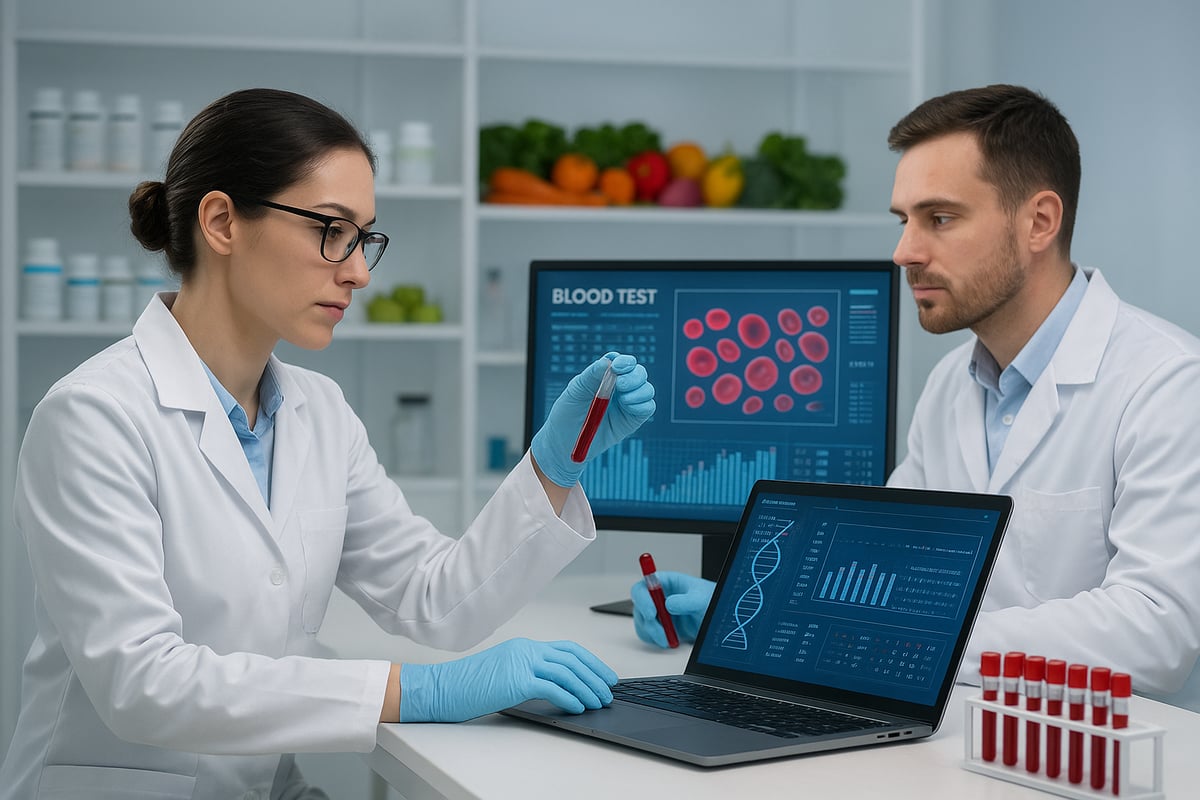
Schedule annual check-ups that include blood tests for key nutrients like vitamin D and B12, especially if you are vegan, over 45, or have chronic health conditions. Be alert to symptoms of deficiency or excess, such as fatigue, numbness, changes in mood, or digestive issues.
Keep track of any changes in your diet, lifestyle, or health status. Adjust your vitamin intake accordingly, and always seek guidance from a qualified healthcare provider before making significant changes.
By staying proactive, you ensure that vitamins are essential allies in your ongoing journey toward optimal health, now and in the future.
The Future of Vitamins: Personalization, Technology, and Global Impact
The future of nutrition is being shaped by a powerful truth: vitamins are essential for health at every stage of life. As scientific understanding deepens, the way we approach vitamin optimization is evolving rapidly. Advances in technology, personalization, and global initiatives are poised to redefine how individuals and populations achieve optimal nutrient status.
Personalized Nutrition and Technology
Personalization is at the forefront of the next era in nutrition science. DNA testing is enabling people to understand their unique genetic makeup, revealing how their bodies metabolize specific vitamins. This means that recommendations for vitamin intake are becoming more individualized than ever before.
Wearable technology and smartphone apps now monitor dietary habits, physical activity, and even micronutrient status. Artificial intelligence can analyze this data, generating tailored advice for optimal vitamin intake. For example, a wearable device may alert you if your activity level or sun exposure suggests a higher need for vitamin D. These innovations reinforce that vitamins are essential, but the ideal approach will differ from person to person.
Fortification, Biofortification, and Global Health
While personalization is key in developed regions, global strategies remain crucial for vulnerable populations. Food fortification and biofortification are proven ways to address widespread vitamin deficiencies. Efforts such as adding vitamin A to rice or iodine to salt have shown measurable success in improving health outcomes on a large scale.
The World Health Organization reports that global vitamin A deficiency could be reduced by 20% through targeted fortification programs by 2025. Programs like Vitamin A supplementation in infants and children 6–59 months of age are vital for lowering the risk of blindness and mortality in young children. These ongoing initiatives highlight that vitamins are essential not just for individual well-being, but for the health of entire communities.
Digital Health Tools and Adherence
Digital health tools are making it easier to track and manage micronutrient intake. Mobile apps can log meals, scan barcodes, and calculate vitamin consumption in real time. Some platforms offer reminders to take supplements or schedule blood tests, helping users maintain consistency.
For healthcare providers, these tools support better monitoring of patient adherence and outcomes. This digital shift ensures that vitamins are essential elements in daily routines, not just theoretical recommendations.
Sustainability and Innovation in Vitamin Production
With a growing global population, sustainable approaches to vitamin production are more important than ever. Innovations include plant-based sources, environmentally friendly extraction methods, and recyclable packaging. Companies are investing in algae-derived omega-3s, yeast-based vitamin D, and biodegradable supplement containers.
Sustainability efforts serve a dual purpose: they protect planetary health while ensuring vitamins are essential and accessible for future generations. These advances also respond to consumer demand for ethical and eco-conscious choices.
Looking Ahead: A Personalized, Data-Driven Future
As science, technology, and public health converge, it is clear that vitamins are essential in both personal and global contexts. The future will bring even more tailored nutrition, smarter tools for self-management, and stronger global partnerships to reduce deficiencies. By embracing these innovations, we can ensure better health outcomes and a brighter future for all.
As we’ve explored, understanding your unique vitamin needs—especially as you age—is essential for maintaining energy, resilience, and long term health. The science is clear: a personalized approach makes all the difference, and small adjustments can have a huge impact as you move through life’s stages. If you’re curious about where you stand and want practical, tailored advice for your next steps, I encourage you to Discover your healthy ageing profile.
Take the first step toward feeling your best and making informed choices for the years ahead.