
Understanding How Help Supplements Support Healthy Ageing
The wellness landscape for adults over 45 presents unique challenges that diet alone may not fully address. As we age, our bodies require additional nutritional support to maintain energy levels, cognitive function, joint health, and immune resilience. Help supplements have emerged as valuable tools in this journey, offering targeted nutritional support that complements a healthy lifestyle. Understanding how to select, evaluate, and incorporate these supplements into your daily routine can make a significant difference in your quality of life and long-term wellness outcomes.
The Role of Nutritional Supplementation in Healthy Ageing
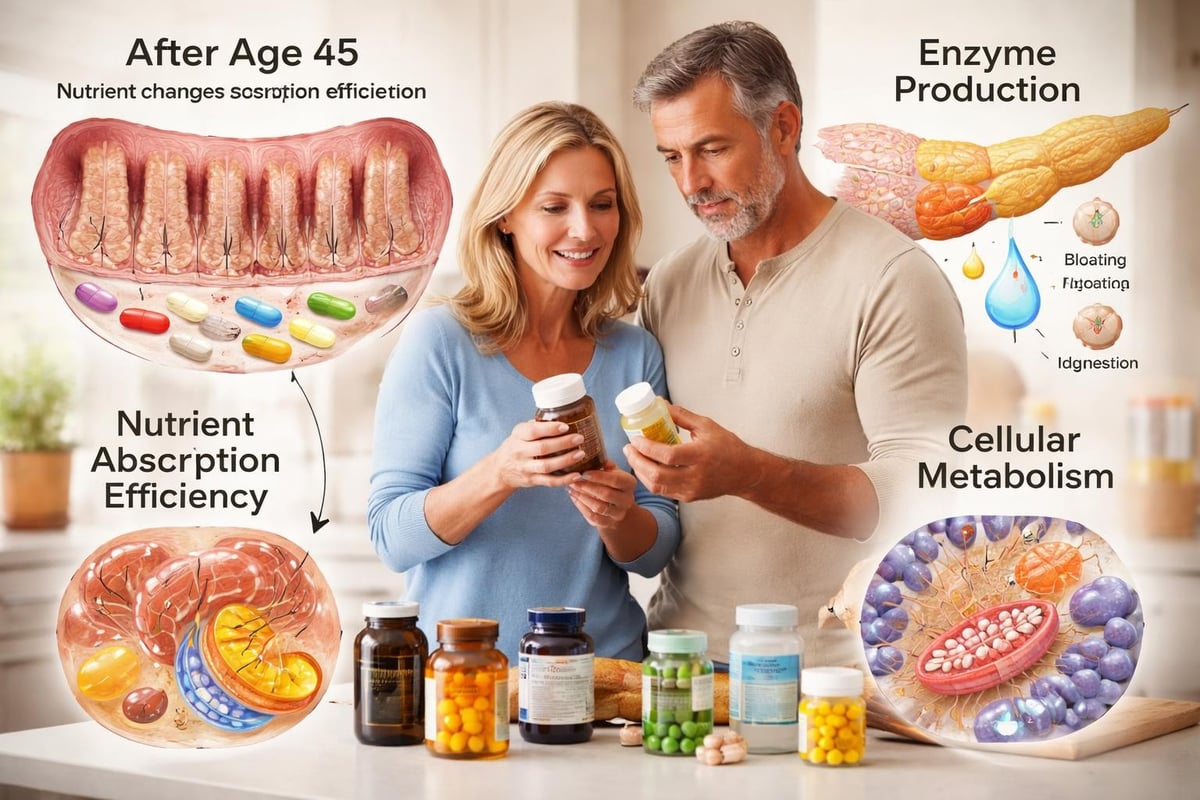
Our nutritional needs evolve as we move through different life stages. After 45, metabolic changes, reduced nutrient absorption, and increased oxidative stress create specific requirements that challenge even the most balanced diets.
Why Adults Over 45 Need Targeted Support
The body's ability to absorb certain nutrients declines with age. Stomach acid production decreases, which affects the absorption of vitamin B12, calcium, and iron. Simultaneously, the body's antioxidant defense systems become less efficient, making supplementation a practical strategy for maintaining cellular health.
Key nutritional challenges for mature adults include:
- Reduced production of digestive enzymes affecting nutrient uptake
- Increased inflammation requiring enhanced antioxidant support
- Declining bone density demanding calcium and vitamin D optimization
- Lower muscle mass necessitating adequate protein and amino acid intake
- Compromised immune function requiring immune-supportive nutrients
Research demonstrates that help supplements, when properly formulated and sourced, can effectively address these gaps. Harvard Health Publishing examines the effectiveness and safety of dietary supplements, emphasizing the importance of understanding both benefits and limitations when incorporating them into your wellness routine.
Evidence-Based Formulation Matters
Not all help supplements are created equal. Formulations based on clinical research and developed by qualified healthcare professionals offer distinct advantages over generic products. Quality manufacturers prioritize bioavailable forms of nutrients, appropriate dosing based on scientific literature, and synergistic ingredient combinations that enhance overall effectiveness.
At Lifeguard Health, supplements are formulated by Dr. Roderick Mulgan, ensuring that every product reflects current scientific understanding of healthy ageing. This professional oversight distinguishes therapeutic-grade supplementation from mass-market alternatives.
Essential Quality Markers When Selecting Help Supplements
The supplement industry operates with varying standards of quality and transparency. Educated consumers understand which markers indicate superior products and which red flags suggest potential concerns.
Manufacturing Standards and Certifications
Third-party testing and certification provide independent verification of product quality, purity, and potency. Look for supplements manufactured in facilities that follow Good Manufacturing Practices (GMP), which ensure consistent production standards and quality control measures.
| Quality Indicator | What It Means | Why It Matters |
|---|---|---|
| Third-Party Testing | Independent laboratory verification | Confirms ingredient accuracy and purity |
| GMP Certification | Adherence to manufacturing standards | Ensures consistent quality and safety |
| Bioavailability Data | Research on absorption rates | Determines actual nutrient delivery |
| Transparent Labeling | Complete ingredient disclosure | Allows informed decision-making |
| Country of Origin | Manufacturing location standards | Indicates regulatory oversight level |
New Zealand maintains rigorous standards for supplement manufacturing, combining strict regulatory frameworks with natural ingredient sourcing. Understanding the ingredients in your supplements and their sourcing provides confidence in product integrity.
Avoiding Common Supplementation Pitfalls
Many consumers waste money on help supplements that offer limited benefit due to poor formulation, inadequate dosing, or inclusion of unnecessary fillers. Harvard Health Publishing discusses strategies and tools to assess supplement quality, providing practical frameworks for evaluation.
Red flags to watch for:
- Proprietary blends that hide individual ingredient amounts
- Unrealistic health claims or promises of miraculous results
- Lack of contact information or company transparency
- Extremely low prices suggesting inferior ingredients
- Absence of professional healthcare input in formulation
The National Center for Complementary and Integrative Health provides essential tips for consumers considering help supplements, emphasizing the importance of consulting healthcare providers before beginning any new supplementation regimen.
Addressing Specific Health Priorities Through Supplementation
Targeted help supplements address particular wellness concerns that become more prevalent after 45. Understanding which nutrients support specific health goals enables more strategic supplementation choices.
Managing Inflammation and Joint Health
Chronic, low-grade inflammation underlies many age-related health challenges. Anti-inflammatory help supplements containing ingredients like turmeric, boswellia, and grape seed extract can support the body's natural inflammatory response.
The synergistic combination of multiple anti-inflammatory compounds often proves more effective than single-ingredient approaches. Research on managing inflammation demonstrates how comprehensive formulations address multiple inflammatory pathways simultaneously.

Supporting Cognitive Function and Mental Clarity
Brain health represents a primary concern for adults navigating their later decades. Help supplements supporting cognitive function typically include B vitamins, omega-3 fatty acids, and botanical extracts with neuroprotective properties.
Nutrients particularly relevant for cognitive support:
- Vitamin B12 for nerve health and neurotransmitter production
- Omega-3 fatty acids for brain structure and inflammation management
- Antioxidants protecting against oxidative stress in brain tissue
- Adaptogens supporting stress response and mental resilience
- Minerals like magnesium for neurotransmitter balance
Enhancing Sleep Quality and Recovery
Sleep architecture changes with age, often resulting in lighter sleep, more frequent waking, and reduced restorative deep sleep phases. Help supplements formulated for sleep support work with the body's natural sleep mechanisms rather than forcing sedation.
Ingredients like skullcap, passionflower, and magnesium promote relaxation and support healthy sleep cycles. Understanding the science of skullcap reveals how traditional botanical knowledge aligns with modern research on sleep physiology.
Integrating Help Supplements Into Your Wellness Routine
Effective supplementation requires more than purchasing quality products. Strategic integration into daily habits maximizes benefits and ensures consistency.
Timing and Absorption Optimization
When you take help supplements significantly affects their absorption and effectiveness. Fat-soluble vitamins require dietary fat for optimal absorption, while certain minerals compete for uptake when taken simultaneously.
| Supplement Type | Optimal Timing | Absorption Enhancers |
|---|---|---|
| Fat-Soluble Vitamins | With meals containing healthy fats | Olive oil, avocado, nuts |
| Water-Soluble Vitamins | Morning or between meals | Water, citrus juice |
| Minerals (Calcium, Magnesium) | Split doses throughout day | Vitamin D, protein |
| Anti-Inflammatory Compounds | With food to reduce GI upset | Black pepper for turmeric |
| Sleep Support Formulas | 30-60 minutes before bed | Consistent bedtime routine |
Creating a supplement schedule that aligns with your lifestyle increases compliance and results. Many people find success with morning routines for energy-supporting help supplements and evening protocols for recovery-focused formulations.
Combining Supplementation With Lifestyle Factors
Help supplements provide optimal benefits when integrated into a comprehensive wellness approach. No supplement can compensate for poor sleep, chronic stress, inadequate nutrition, or sedentary behavior.
The synergy between lifestyle factors and supplementation amplifies results. Regular exercise enhances nutrient utilization, stress management supports better absorption, and quality sleep allows cellular repair processes to benefit from supplemental nutrients.
Understanding Individual Nutritional Needs
Personalized approaches to supplementation acknowledge that each person brings unique health histories, genetic factors, dietary patterns, and wellness goals to their supplementation strategy.
Assessing Your Current Nutritional Status
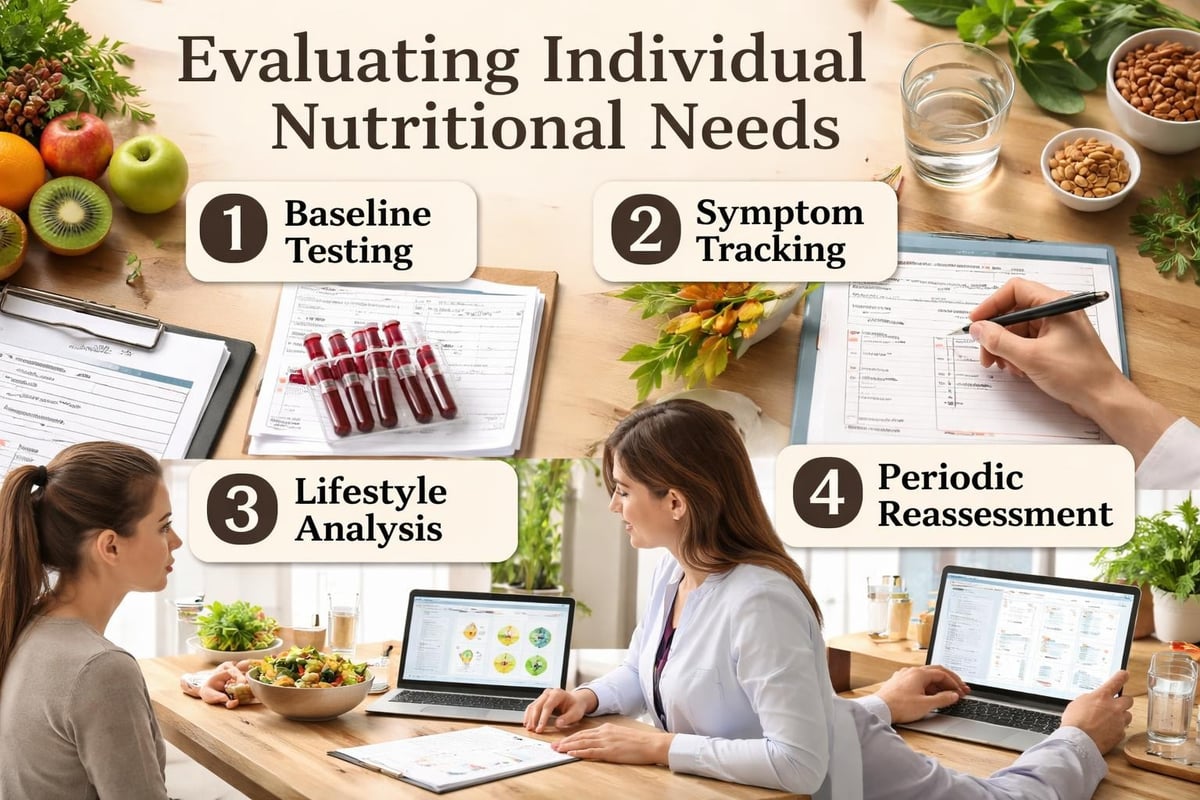
Before beginning any help supplements regimen, understanding your baseline nutritional status provides valuable information. Blood tests can reveal deficiencies in vitamin D, B12, iron, and other key nutrients, allowing for targeted supplementation rather than guesswork.
Working with healthcare providers familiar with nutritional medicine ensures appropriate testing and interpretation. The NIH Office of Dietary Supplements offers evidence-based information that both healthcare professionals and informed consumers can reference when discussing supplementation strategies.
Monitoring Progress and Adjusting Protocols
Effective use of help supplements involves periodic assessment and adjustment. Energy levels, sleep quality, joint comfort, and mental clarity provide subjective markers of benefit, while objective measures like blood work confirm nutritional optimization.
Questions to guide your supplementation review:
- Have you noticed improvements in target health areas?
- Are you experiencing any unexpected effects or interactions?
- Has your diet, medication, or health status changed?
- Do dosages and timing still align with your routine?
- Are you ready to address new wellness priorities?
Most people benefit from reassessing their help supplements protocol every three to six months, adjusting based on seasonal changes, life transitions, and evolving health goals.
Quality Sourcing and Transparent Manufacturing
Where and how help supplements are manufactured directly impacts their safety, efficacy, and environmental footprint. Understanding production processes helps consumers make informed choices aligned with their values.
The New Zealand Advantage in Supplement Production
New Zealand's reputation for clean environments and stringent quality standards extends to supplement manufacturing. The country's isolated geography reduces environmental contamination, while robust regulatory frameworks ensure product safety and accuracy.
Supplements made in New Zealand benefit from these natural advantages combined with advanced manufacturing capabilities. This combination produces help supplements meeting international quality benchmarks while maintaining environmental sustainability.
Ingredient Sourcing and Bioavailability
The form of a nutrient matters as much as its presence on a label. Bioavailable forms require less conversion by the body, resulting in superior absorption and utilization. Premium help supplements use chelated minerals, methylated B vitamins, and standardized botanical extracts for consistent potency.
Transparency about ingredient sourcing, standardization methods, and quality testing separates professional-grade help supplements from commodity products. Manufacturers committed to quality provide detailed information about their formulation philosophy and production standards.
Navigating Potential Interactions and Contraindications
Help supplements interact with medications, medical conditions, and other supplements. Understanding these relationships prevents adverse effects and ensures safe, effective use.
Common Supplement-Medication Interactions
Certain help supplements affect how medications are metabolized or absorbed. Vitamin K influences blood thinning medications, calcium reduces thyroid medication absorption, and some botanicals affect liver enzymes that metabolize drugs.
Important interaction categories to discuss with healthcare providers:
- Blood thinning medications and vitamin K, omega-3s, or certain herbs
- Thyroid medications and calcium, iron, or fiber supplements
- Diabetes medications and chromium or cinnamon extracts
- Blood pressure medications and potassium or CoQ10
- Immune suppressants and immune-stimulating botanicals
Research initiatives like SUPP.AI identify supplement-drug interactions from biomedical literature, demonstrating how technology increasingly supports safer supplementation through better information access.
Special Considerations for Specific Health Conditions
Individuals with certain health conditions require modified supplementation approaches. Kidney disease affects mineral metabolism, autoimmune conditions may contraindicate immune-stimulating herbs, and bleeding disorders require caution with anticoagulant supplements.
Your healthcare team should know about all help supplements you take, enabling them to provide personalized guidance based on your complete health picture. Reliable information about supplements comes from qualified professionals who understand both conventional medicine and nutritional therapeutics.
Building a Sustainable Supplementation Strategy
Long-term consistency produces better results than sporadic use of help supplements. Creating sustainable habits around supplementation ensures you receive ongoing benefits without feeling burdened by complex regimens.
Simplifying Your Supplement Routine
Comprehensive formulations reduce pill burden by combining synergistic ingredients into single products. Rather than taking ten separate supplements, well-designed multi-nutrient formulas address multiple health priorities simultaneously.
Lifeguard Essentials exemplifies this approach, providing foundational nutritional support in a streamlined format that busy adults can maintain consistently. Simplicity increases compliance, and compliance determines results.
Cost-Effectiveness and Value Assessment
While premium help supplements cost more upfront than discount alternatives, their superior bioavailability, purity, and formulation often make them more cost-effective long-term. Poorly absorbed supplements provide minimal benefit regardless of price, while quality products deliver measurable results.
Evaluating value requires looking beyond per-bottle cost to consider cost-per-dose, ingredient quality, and realistic assessment of benefit. Investing in fewer, higher-quality help supplements typically outperforms purchasing numerous inferior products.
| Value Factor | Premium Supplements | Budget Supplements |
|---|---|---|
| Bioavailability | High-absorption forms | Often poorly absorbed forms |
| Dosing Accuracy | Clinical doses based on research | Often under-dosed for effect |
| Ingredient Purity | Third-party tested for contaminants | Quality varies widely |
| Formulation | Synergistic combinations | Single ingredients or random blends |
| Long-term Cost | Better value through effectiveness | Higher cost due to ineffectiveness |
The Science Behind Key Supplement Ingredients
Understanding the research supporting specific ingredients in help supplements enables more informed decisions about which products align with your health priorities.
Botanical Extracts With Established Research
Traditional plant medicines increasingly receive scientific validation through modern research methods. Turmeric, boswellia, grape seed extract, and olive leaf demonstrate consistent benefits across multiple studies when properly standardized and dosed.
The science of turmeric reveals its multi-targeted effects on inflammation, oxidative stress, and cellular signaling. Similarly, the science of grapes demonstrates how resveratrol and other polyphenols support cardiovascular health and healthy ageing.
Vitamins and Minerals for Foundational Health
While botanical extracts address specific concerns, vitamins and minerals provide the foundational nutrients necessary for thousands of biochemical reactions. Deficiencies in these fundamental nutrients compromise health regardless of other interventions.
Essential nutrients frequently requiring supplementation after 45:
- Vitamin D for immune function, bone health, and mood regulation
- Vitamin B12 for energy production and neurological health
- Magnesium for muscle function, sleep quality, and stress response
- Omega-3 fatty acids for brain health and inflammation management
- Antioxidants like vitamin C and E for cellular protection
Research-based approaches to supplementation prioritize nutrients with strong scientific support over trendy ingredients lacking evidence. This evidence-based philosophy ensures help supplements deliver genuine benefits rather than empty promises.
Regulatory Frameworks and Consumer Protection
Understanding how help supplements are regulated helps consumers navigate the market with realistic expectations about safety oversight and product claims.
Supplement Regulation in Different Countries
Regulatory approaches to help supplements vary significantly worldwide. The United States treats supplements as a food category rather than drugs, limiting FDA pre-market oversight. Regulation of dietary supplements by the FDA follows different rules than pharmaceutical products, placing greater responsibility on manufacturers and consumers.
Countries like New Zealand, Australia, and European nations maintain stricter pre-market requirements and quality standards. These frameworks provide additional consumer protection while still allowing access to beneficial help supplements.
Making Claims: What's Allowed and What's Not
Supplement manufacturers cannot legally claim their products diagnose, treat, cure, or prevent diseases. Instead, they use structure-function claims describing how nutrients support normal body functions. Understanding this distinction helps consumers interpret marketing materials accurately.
Legitimate help supplements make modest, supportable claims backed by research. Exaggerated promises or cure-all messaging typically indicate products best avoided. Medical News Today outlines key factors to consider when purchasing supplements, including recognizing unrealistic claims as red flags.
Selecting and using help supplements effectively requires understanding quality markers, individual nutritional needs, and evidence-based formulation principles. When chosen thoughtfully and integrated into comprehensive wellness strategies, targeted supplementation provides valuable support for healthy ageing, energy optimization, and sustained vitality after 45. For adults seeking professionally formulated, research-backed help supplements manufactured to New Zealand's rigorous standards, Lifeguard Health offers products specifically designed to address the unique nutritional requirements of mature adults, combining Dr. Roderick Mulgan's clinical expertise with premium ingredients for meaningful health outcomes.