7 Essential Facts About Vitamins and Aging in 2026
In 2026, interest in longevity is at an all-time high, and the science of vitamins and aging is advancing rapidly. New research is uncovering how vitamins influence the aging process, especially for adults over 45. This article reveals seven essential facts about the crucial relationship between vitamins and aging, exploring the latest nutrient needs, the specific roles of key vitamins, and how deficiencies can affect longevity. You will discover practical strategies and the realities of supplementation, empowering you to optimize your health and take charge of your nutritional well-being in the years ahead.
The Science Behind Vitamins and Aging
Aging is a complex process shaped by genetics, lifestyle, and environmental factors. In recent decades, the study of vitamins and aging has provided critical insights into how nutrients influence health outcomes in later life. Understanding these scientific foundations can help adults over 45 make informed decisions about diet, supplementation, and long-term wellness.
Theories of Aging and Oxidative Stress
Scientists have proposed several theories to explain the biological mechanisms behind aging. One of the most influential is the free radical or oxidative stress theory. This theory suggests that, over time, the body accumulates damage from reactive oxygen species—unstable molecules that harm cells and tissues. As this oxidative damage builds up, it increases the risk of chronic diseases such as heart disease, stroke, and cancer.
Antioxidant vitamins, including vitamin C, vitamin E, and beta-carotene, have been studied for their potential to neutralize free radicals and protect the body from cellular harm. Research shows that people with high dietary intakes of these vitamins and aging populations who consume antioxidant-rich foods often experience lower rates of heart disease and stroke. However, intervention studies using high-dose supplements have produced mixed results, with some trials showing no significant benefit and others suggesting possible harm.
For example, while vitamin E and lycopene may slow the progression of age-related macular degeneration, they do not appear to prevent the condition outright. This has led experts to emphasize the importance of obtaining antioxidants from whole foods rather than relying solely on supplements. As adults age, physiological changes such as decreased digestive efficiency and slower metabolism can reduce the absorption and effectiveness of vitamins and aging-related nutrients.
A substantial body of evidence also highlights the decline in calorie intake as people grow older. By their seventies, men typically consume 1000–1200 fewer calories per day, and women 600–800 fewer, compared to their younger years. This reduction directly impacts vitamin consumption, making it more challenging to meet daily requirements through food alone.
| Age Group | Average Daily Calorie Reduction | Impact on Vitamin Intake |
|---|---|---|
| Men 70+ | 1000–1200 kcal | Lower overall vitamin consumption |
| Women 70+ | 600–800 kcal | Increased risk of deficiencies |
These patterns underscore the intricate relationship between vitamins and aging, highlighting why older adults must pay close attention to their nutrient intake.
Shifting Nutrient Needs After Age 45
After age 45, the body undergoes significant hormonal, metabolic, and digestive changes. These shifts alter the requirements for many vitamins and aging-related minerals. For instance, the stomach produces less acid, leading to decreased absorption of nutrients such as vitamin B12 and calcium. Meanwhile, changes in kidney and liver function can affect vitamin D metabolism.
Common deficiencies in older adults include vitamin B12, vitamin D, calcium, and magnesium. Studies reveal that up to 50% of individuals over 50 have intakes below the recommended daily intake for these essential nutrients. As appetite wanes and food intake declines, the importance of nutrient-dense foods becomes even more critical.
Key deficiencies in vitamins and aging:
- Vitamin B12: Reduced absorption can lead to anemia and cognitive decline.
- Vitamin D: Less sun exposure and skin synthesis increase deficiency risk.
- Calcium and Magnesium: Lower intake and absorption affect bone and muscle health.
Chronic conditions, such as diabetes or gastrointestinal disorders, and certain medications can further complicate the absorption and utilization of vital nutrients. Dietary patterns also play a crucial role. Those who consume a wide variety of fruits, vegetables, whole grains, and lean proteins are better equipped to meet their vitamin needs. However, many older adults struggle to achieve this balance.
For a deeper dive into which vitamins are most important and how to address common deficiencies, see the best vitamins for over 50.
In summary, as the body ages, the science shows that careful attention to vitamins and aging—through dietary choices and, when necessary, supplementation—can help maintain health, support longevity, and reduce the risk of chronic disease.
7 Essential Facts About Vitamins and Aging in 2026
Understanding the critical relationship between vitamins and aging is more important than ever in 2026. As new research emerges and our knowledge deepens, it is clear that nutrient needs shift significantly with age. The following seven facts shed light on how targeted strategies, updated screening guidelines, and food-first approaches can make a measurable difference in health outcomes for adults over 45. Whether you are looking to maintain cognitive sharpness, support bone health, or simply age well, these insights will help guide your choices.
1. Vitamin B12 Deficiency Is Widespread and Often Overlooked
Vitamin B12 deficiency is a silent yet significant issue in the conversation about vitamins and aging. Research shows that between 5 and 20 percent of adults over 60 are affected, with many cases going undetected due to vague or subtle symptoms. The risk grows with age, primarily because the body's ability to absorb B12 from food decreases as stomach acid production drops. Dietary changes and certain medications, such as metformin or acid-blockers, further increase vulnerability.
The consequences of this deficiency are serious. Cognitive decline, anemia, and irreversible nerve damage can occur if left untreated. Routine screening is now recommended for adults over 50, with modern tests measuring serum methylmalonic acid and homocysteine for greater accuracy. Notably, Vitamin B12 deficiency prevalence in older adults is well-documented, emphasizing the need for vigilance.
Older adults who follow vegetarian or vegan diets are especially at risk, as primary sources of B12 include meat, dairy, and eggs. Fortified foods and supplements are advised for these groups. With vitamins and aging, staying proactive about B12 status is essential for long-term cognitive and neurological health.
2. Vitamin D: The Longevity Vitamin for Bones and Beyond
Vitamin D plays a pivotal role in supporting calcium absorption, bone density, and muscle function, making it a cornerstone in the discussion of vitamins and aging. As we grow older, the skin's ability to synthesize vitamin D from sunlight diminishes, and many seniors spend less time outdoors. Up to 70 percent of older adults now have suboptimal vitamin D levels, which increases their risk for osteoporosis, fractures, and falls.
Emerging research has expanded our understanding of vitamin D's benefits, linking adequate levels to improved immune function, better mood, and even reduced risk of certain chronic diseases. Food sources include fatty fish, fortified dairy, and eggs, but supplementation is often necessary, especially in regions with limited sun exposure.
In 2026, personalized dosing based on regular blood tests has become the norm. This approach helps avoid both deficiency and the risks associated with excessive intake. The evolving science of vitamins and aging highlights the need for tailored strategies to safeguard bone and overall health as we age.
3. Antioxidant Vitamins: Hype vs. Evidence in Healthy Aging
Antioxidant vitamins, including C, E, and beta-carotene, have long been promoted for their potential to protect against oxidative stress—a key factor in the aging process. Observational studies consistently show that individuals with high dietary intake of these nutrients have a lower risk of chronic diseases. However, large-scale supplement trials have produced mixed results, with some indicating no benefit and others suggesting possible harm from high-dose supplements.
For example, while vitamin E and lycopene may slow the progression of macular degeneration, they do not prevent the condition outright. In 2026, the focus has shifted toward obtaining antioxidants from whole foods rather than relying on supplements. This change reflects the growing consensus that the synergy of nutrients in foods cannot be replicated in pill form.
Best sources of antioxidant vitamins include colorful fruits, vegetables, nuts, and seeds. Emphasizing these foods in your daily diet supports the broader goal of optimizing vitamins and aging for long-term well-being.
4. Calcium and Magnesium: Essential Minerals for Aging Bodies
Calcium and magnesium are two minerals that deserve special attention in any discussion about vitamins and aging. Calcium is vital for bone strength, nerve transmission, and heart function, while magnesium supports muscle health, cognitive processes, and inflammation regulation. Both nutrients become harder to absorb with age, especially for postmenopausal women.
Current data reveals that half of older adults consume less than the recommended amounts of calcium and magnesium. This shortfall raises the risk of osteoporosis, muscle cramps, and cardiovascular complications. The table below summarizes key food sources:
| Nutrient | Top Food Sources |
|---|---|
| Calcium | Dairy, leafy greens, tofu |
| Magnesium | Nuts, seeds, whole grains |
In 2026, combination supplements and fortified foods have become more popular, helping to fill dietary gaps. Still, prioritizing nutrient-rich foods remains the gold standard for managing vitamins and aging effectively.
5. B Vitamins and Cognitive Health: What the Latest Research Shows
The impact of B vitamins—specifically B6, B9 (folate), and B12—on cognitive function is a growing focus in the study of vitamins and aging. These nutrients are crucial for regulating homocysteine, an amino acid linked to increased risk of dementia and heart disease when elevated.
Recent studies indicate that supplementation with B vitamins may slow cognitive decline in adults who are at risk. The widespread fortification of grains with folate has reduced deficiency rates, but significant gaps persist, particularly among those with poor diets, alcohol dependence, or malabsorption issues.
In 2026, cognitive health screenings routinely include assessments of B vitamin status, reflecting their importance in the aging process. For those concerned about vitamins and aging, ensuring adequate intake of these vitamins is a proactive step toward preserving brain health.
6. The Gut-Vitamin Connection: Absorption Challenges with Age
Digestive changes that accompany aging can significantly impact how the body absorbs vitamins. Reduced stomach acid, changes in gut flora, and slower intestinal motility all contribute to decreased absorption of key nutrients, including B12, D, and fat-soluble vitamins.
The chronic use of certain medications, such as antacids and antibiotics, can further exacerbate these absorption challenges. As a result, older adults face an increased risk for deficiencies, even if their dietary intake appears sufficient. Strategies to address these issues include probiotic support, enzyme supplements, and individualized nutrition plans.
By 2026, gut health assessments have become a standard part of aging care, ensuring that interventions are tailored to each person’s unique needs. Recognizing and addressing these absorption hurdles is vital for optimizing vitamins and aging throughout later life.
7. Food vs. Supplements: The Best Way to Meet Vitamin Needs in 2026
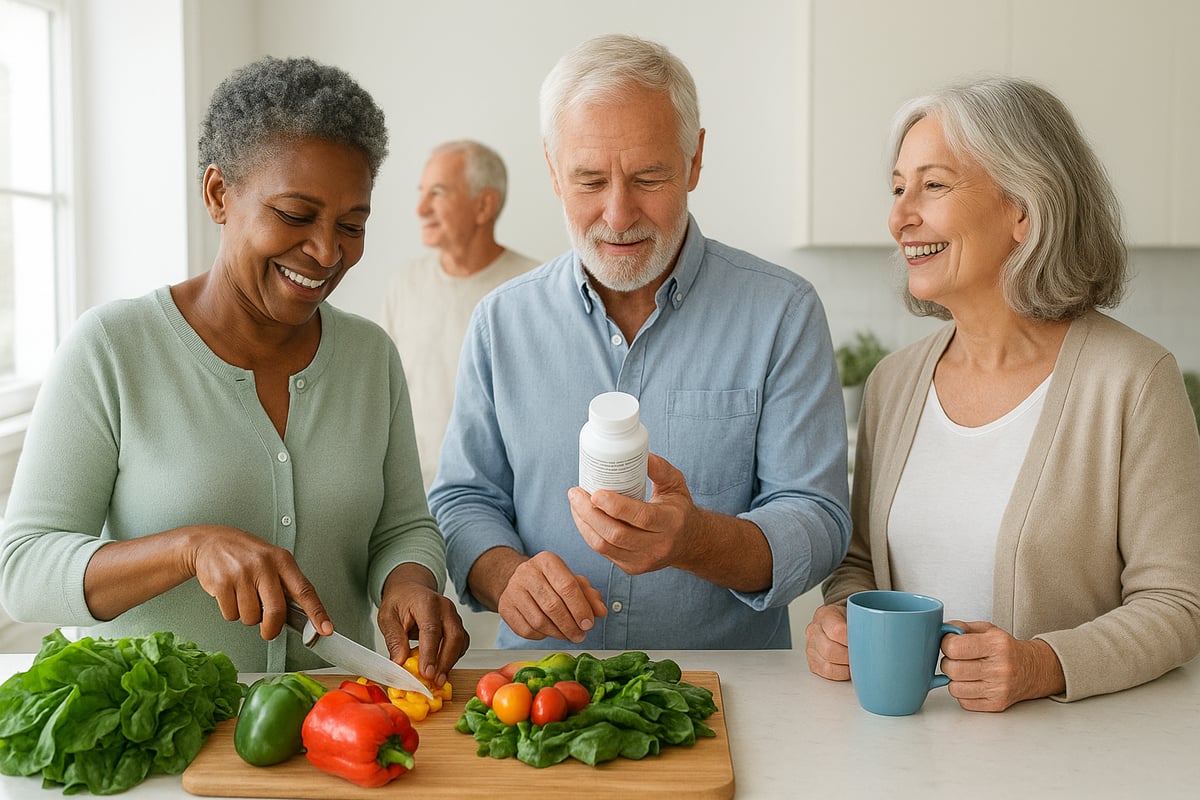
A central debate in the field of vitamins and aging is whether to rely on whole foods or supplements. Whole foods are superior in terms of bioavailability and the synergistic effects of nutrients. However, supplements become necessary in certain cases, such as when medical conditions, dietary restrictions, or diagnosed deficiencies are present.
Data shows that more than half of U.S. adults take at least one daily supplement. While supplements can fill specific gaps, overuse poses risks, including toxicity and adverse interactions. Some studies even suggest increased mortality with excessive supplementation.
Practical advice for 2026 includes focusing on a diet rich in fruits, vegetables, whole grains, lean proteins, and dairy. Personalized nutrition and supplement plans, guided by genetics and lifestyle, are now widely available. Ultimately, understanding the nuances of vitamins and aging empowers adults to make informed, balanced choices for lifelong health.
How Vitamin Deficiencies Influence Longevity and Disease Risk
As we age, maintaining optimal levels of vitamins and minerals becomes increasingly important for both longevity and quality of life. Micronutrient deficiencies are surprisingly common in older adults, with 10 to 30 percent showing suboptimal levels that may not cause obvious symptoms. Yet, the subtle impact of these gaps in nutrition can shape the trajectory of health and disease, making the relationship between vitamins and aging a key area of focus for researchers and clinicians alike.

The Link Between Micronutrient Deficiency and Chronic Illness
Micronutrient deficiencies can be silent, developing gradually and often undetected until significant health consequences arise. For adults over 45, the complex interplay between vitamins and aging is evident in how even mild deficiencies can accelerate the development of chronic diseases.
A growing body of evidence connects low vitamin D and calcium levels to a higher risk of osteoporosis, fractures, and falls. For example, a recent study found that vitamin D deficiency is associated with diminished mobility and increased physical limitations in seniors. You can read more about these findings in this report on vitamin D deficiency and physical function in seniors. The consequences extend beyond bone health, affecting muscle strength and overall independence.
Vitamin B12 deficiency is another critical concern, particularly among older adults. Subclinical B12 deficiency can lead to neuropathy, memory problems, and even mood disturbances. These effects often go unnoticed, yet they can severely compromise longevity and cognitive function. Similarly, insufficient intake of B vitamins, magnesium, and antioxidants has been linked to cardiovascular disease, cognitive decline, and impaired immune response.
To help visualize the connection between common deficiencies and disease risk, see the table below:
| Deficiency | Associated Risks | Typical Symptoms |
|---|---|---|
| Vitamin D | Osteoporosis, fractures, muscle loss | Fatigue, weakness |
| Vitamin B12 | Neuropathy, cognitive decline | Numbness, memory issues |
| Calcium | Bone loss, heart irregularities | Muscle cramps, brittle nails |
| Magnesium | Heart disease, muscle cramps | Tremors, low energy |
The relationship between vitamins and aging is also evident in how these deficiencies affect recovery after illness or surgery. Older adults with inadequate micronutrient status often experience slower healing, increased infection risk, and prolonged hospital stays.
Immune function is particularly sensitive to vitamin status. As the immune system evolves with age, certain vitamins become even more crucial for optimal defense against infections and chronic inflammation. For a deeper understanding of how these changes unfold, see this article on immune system changes after 40.
Micronutrient status is now being recognized as a potential marker for biological age, not just chronological age. Early detection and targeted intervention for deficiencies can help support healthy aging, reduce disease risk, and improve resilience.
Regular screening, individualized nutrition plans, and proactive management of deficiencies are essential strategies for optimizing the relationship between vitamins and aging. By staying informed and attentive to these subtle but powerful influences, adults can take meaningful steps toward a healthier, more vibrant later life.
Practical Strategies for Meeting Vitamin Needs in Older Adults
Meeting the nutritional requirements for optimal health becomes more complex with age. As we learn more about vitamins and aging, practical strategies are essential to ensure older adults achieve adequate intake and maintain wellness.
Prioritize Nutrient-Dense Dietary Patterns
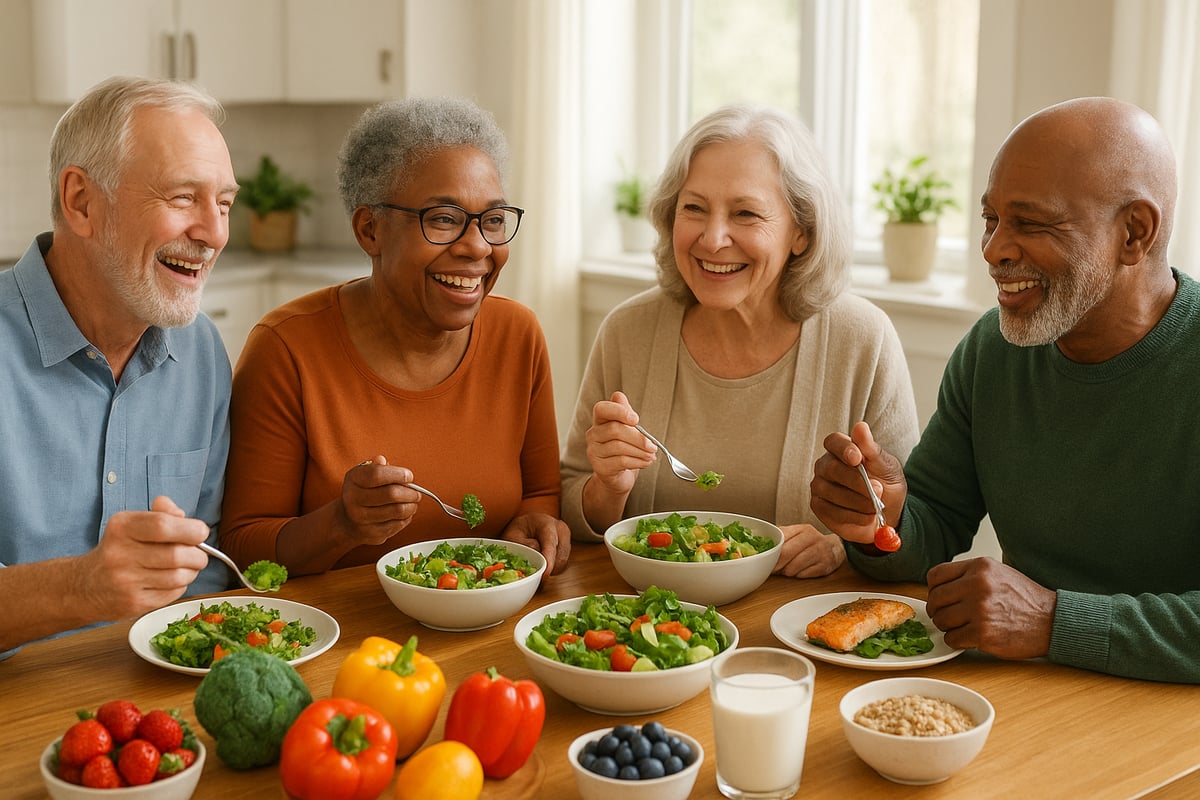
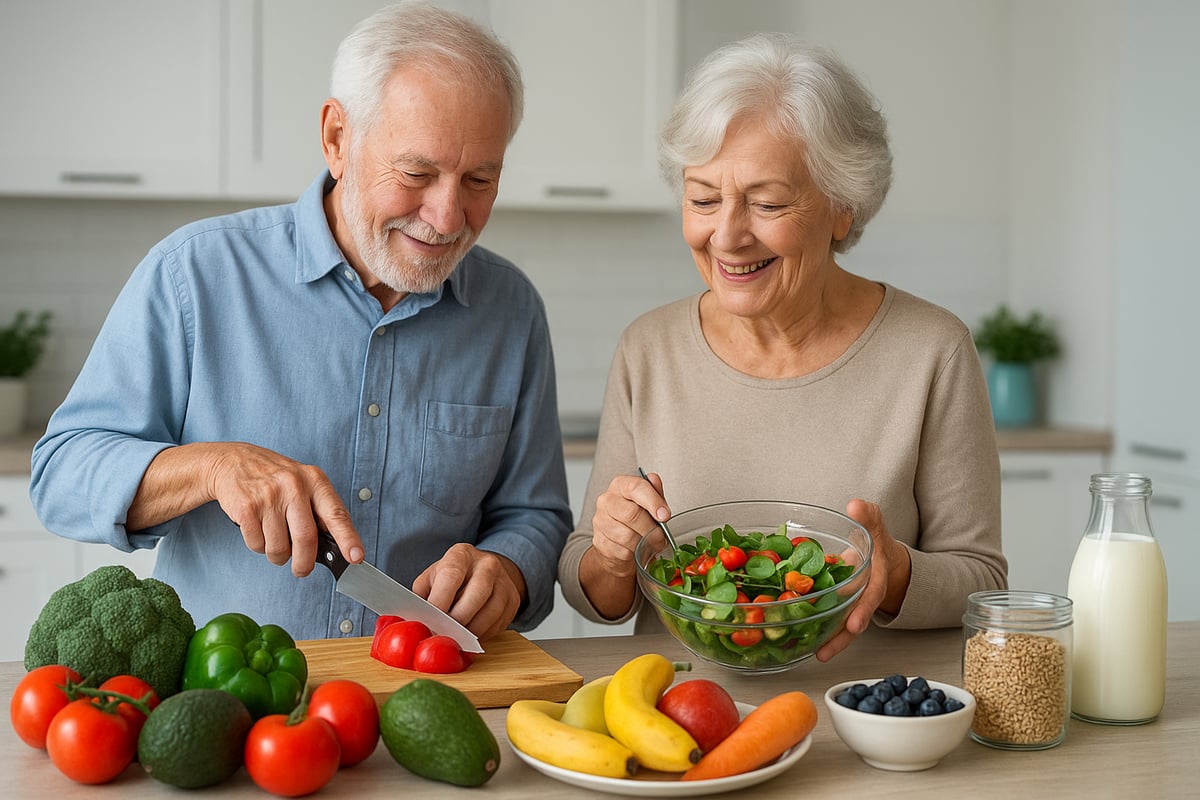
Focusing on nutrient-dense, minimally processed whole foods is the foundation for healthy aging. As appetite and caloric needs decline, every bite counts more than ever. Older adults benefit from diets rich in fruits, vegetables, whole grains, lean proteins, and dairy.
Popular patterns like the Mediterranean and DASH diets provide a blueprint for balanced meals that support vitamins and aging. These eating styles emphasize variety, healthy fats, and fiber, making it easier to obtain essential micronutrients. Incorporating such patterns helps address multiple nutrient needs simultaneously.
Meal planning is a valuable tool. Organizing weekly menus and grocery lists ensures consistent access to vitamin-rich foods. Community programs and home-delivered meal services can further support older adults who face mobility or cooking challenges.
Regular Screening and Individualized Supplementation
Routine screening for vitamin and mineral deficiencies is critical as absorption and metabolism change with age. Healthcare providers may recommend blood tests to assess levels of key nutrients like B12, D, calcium, and magnesium. Early detection allows for prompt intervention and better outcomes.
When dietary intake falls short, targeted supplementation may be needed. Decisions should be based on individual requirements, not a one-size-fits-all approach. For a deeper dive into this topic, see Supplements or not for aging.
Personalized plans help minimize the risks associated with unnecessary or excessive supplement use. By aligning choices with medical advice, older adults can safely support vitamins and aging while avoiding potential interactions.
Address Barriers to Optimal Nutrition
Several factors can hinder the ability to meet vitamin needs. Changes in taste, dental health, or digestive function may reduce food enjoyment and intake. Medications might interfere with nutrient absorption or appetite.
Socioeconomic issues, such as limited income or access to fresh foods, also play a role. Identifying these barriers allows for tailored solutions, such as flavor-enhancing techniques, softer food options, or connecting with local food assistance programs.
Physical activity remains vital. Regular movement not only supports muscle and bone health but also improves appetite and the body’s ability to utilize vitamins and aging nutrients efficiently.
Embrace Innovations in Nutrition Support
In 2026, technology is transforming how older adults manage their nutritional health. Digital tools, such as meal-planning apps and wearable trackers, offer personalized feedback and reminders to encourage healthy habits.
Health coaching and telehealth services provide guidance on meal choices, supplement use, and overcoming obstacles. These advancements make individualized support more accessible, helping seniors stay engaged in their own care.
By combining modern resources with proven dietary strategies, older adults can take charge of their vitamins and aging journey, promoting longevity and quality of life.
As we’ve explored, the science of vitamins and healthy aging is constantly evolving, especially as we learn more about how our bodies change after 45. If you’re curious about your own nutrient needs and want practical guidance tailored to your stage of life, why not take the next step? You can discover your unique strengths and areas for improvement—empowering yourself to make informed choices for long term wellbeing. Take a moment to Discover your healthy ageing profile and start building a personalized plan for a healthier, more vibrant future.