
Essential Guide: Difference Between Vitamin and Supplement 2026
Are you puzzled by the difference between vitamin and supplement? You are not alone, as millions of people often use these terms interchangeably without realizing their unique meanings. Understanding the difference between vitamin and supplement is essential for making smart choices about your health, especially as nutrition science evolves into 2026.
This essential guide will clarify what sets vitamins and supplements apart, providing you with clear definitions, practical distinctions, and insights into their health impacts. You will also learn about regulatory issues and receive expert advice for choosing the right products.
By gaining a deeper understanding, you can fill nutritional gaps, support healthy aging, and optimize your wellness plan. Ready to empower yourself with science-backed guidance? Continue reading to gain clarity and confidence in your supplement regimen.
What Are Vitamins?
Vitamins are organic compounds that play a vital role in keeping our bodies healthy and functioning at their best. They are essential micronutrients, meaning our bodies cannot produce enough of them on their own, so we must get them from our diets. Understanding the difference between vitamin and supplement is crucial, as vitamins are only one part of the broader supplement category.

Types of Vitamins: Fat-Soluble and Water-Soluble
Vitamins are divided into two main categories: fat-soluble and water-soluble. Fat-soluble vitamins include Vitamins A, D, E, and K. These are stored in the body's fatty tissues and liver, which means they can build up over time. Water-soluble vitamins, like the B-complex group (B1, B2, B3, B6, B12, folate, biotin, and pantothenic acid) and Vitamin C, are not stored in large amounts and need to be replenished regularly.
Here’s a quick overview:
| Vitamin Type | Examples | Storage |
|---|---|---|
| Fat-Soluble | A, D, E, K | In fat/liver |
| Water-Soluble | B-complex, C | Not stored |
When learning about the difference between vitamin and supplement, remember that each vitamin type supports the body in unique ways and needs to be consumed in the right amounts.
Food Sources and Key Functions
Vitamins are naturally present in a variety of whole foods. Fruits like oranges and strawberries are rich in Vitamin C. Leafy greens, carrots, and dairy products provide Vitamins A and K, while meats and eggs offer B vitamins. Fish and sunlight exposure help us get Vitamin D.
The primary functions of vitamins include:
- Supporting the immune system
- Helping convert food into energy
- Promoting bone health
- Assisting in cell repair and growth
If you want to dive deeper into the specific roles and benefits of each vitamin, check out this resource on Vitamins needed for the body.
Choosing foods rich in vitamins is a foundational step in understanding the difference between vitamin and supplement, as food is the best source for most people.
Deficiency Risks and Daily Requirements
Not getting enough essential vitamins can lead to health problems. For example, a lack of Vitamin D can weaken bones, while insufficient B12 may cause fatigue and nerve issues. Some groups, such as older adults or those with restricted diets, are especially at risk.
To help guide intake, health authorities set recommended daily allowances (RDAs) for each vitamin. These requirements vary by age, gender, and life stage. For example, pregnant women need more folic acid, while older adults may require extra Vitamin D.
Understanding your daily needs is a key part of recognizing the difference between vitamin and supplement, since supplements are sometimes necessary to fill dietary gaps when getting enough from food is challenging.
Examples and Statistics
Some well-known vitamins and their benefits include:
- Vitamin C for supporting immunity and wound healing
- Vitamin D for maintaining strong bones
- Vitamin B12 for energy and red blood cell production
Despite the importance of vitamins, a recent CDC report found that over 90% of Americans do not get enough essential vitamins from their diets alone. This gap highlights why knowing the difference between vitamin and supplement matters for making informed health choices.
By focusing on a varied diet and staying aware of your nutritional needs, you can better support your wellbeing and understand where vitamins fit within the larger supplement landscape.
What Are Supplements?
Supplements are products specifically designed to complement your diet by providing nutrients or other substances that may be lacking. They play a crucial role in modern wellness, especially as more people seek to bridge nutritional gaps or address health concerns. Understanding the difference between vitamin and supplement is essential for making informed choices about your personal health strategy.
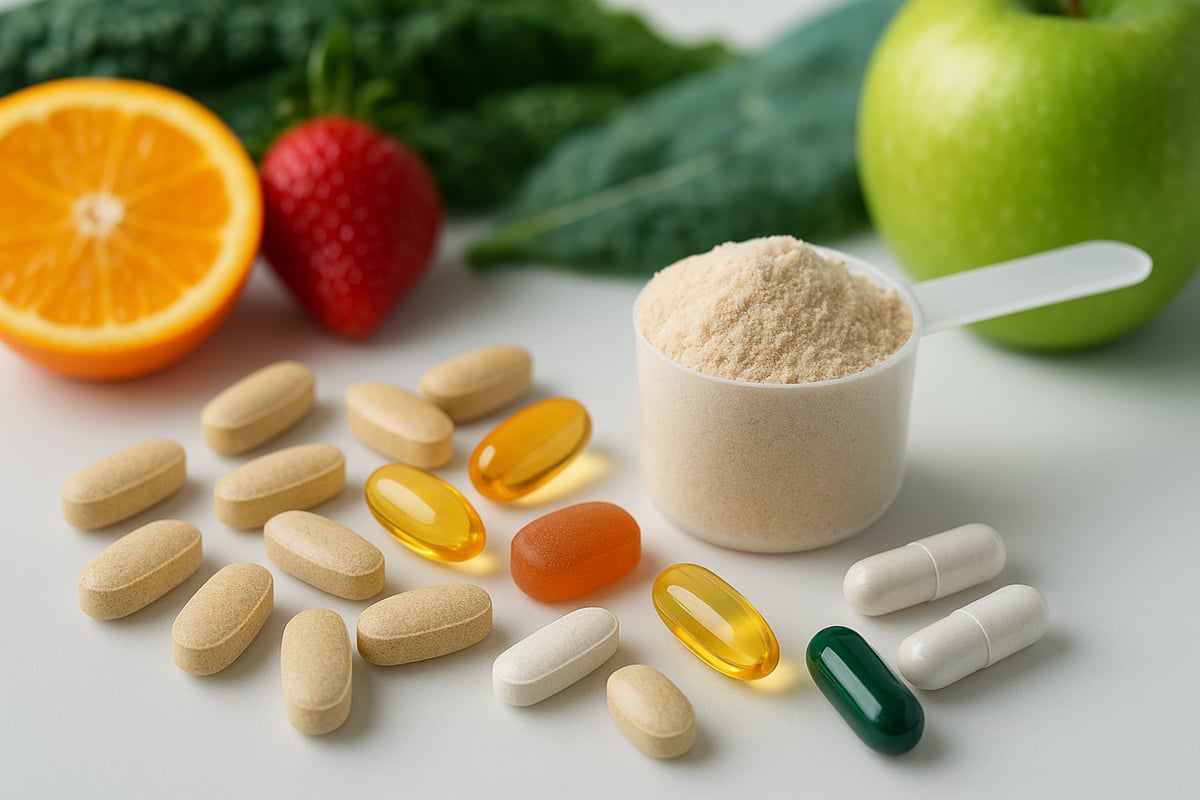
Supplements come in a wide range of categories. These include vitamins, minerals, herbs, amino acids, enzymes, probiotics, and specialty blends. Each type offers unique benefits, targeting different aspects of health. Supplements are available in many forms, such as pills, capsules, powders, gummies, and liquids. This variety makes it easier to find an option that fits your lifestyle and preferences. The difference between vitamin and supplement is evident in their broad range and targeted uses.
The primary purpose of supplements is to support wellness and address specific nutritional needs. They can help fill dietary gaps, enhance performance, or target particular health concerns like bone strength or digestive health. According to the FDA’s 2024 guidelines, dietary supplements are defined as products intended to supplement the diet and contain one or more dietary ingredients. This regulatory framework guides manufacturing, labeling, and safety standards. Being aware of the difference between vitamin and supplement is vital when evaluating these products and their intended uses.
Common examples of supplements include multivitamins, omega-3 fatty acids, protein powders, and herbal blends. Trends indicate that supplement use is widespread, with 77% of Americans reporting regular use in 2024, according to the CRN Consumer Survey. This demonstrates a growing reliance on supplements to address individual health needs. The difference between vitamin and supplement becomes clear when you consider that not all supplements are vitamins; vitamins are just one subset within the broader supplement category.
For those interested in a deeper dive into how supplements and vitamins differ, the Key differences between supplements and vitamins resource offers a comprehensive explanation. Understanding this difference between vitamin and supplement empowers you to select products that best support your health goals.
Vitamins vs. Supplements: Key Differences
Understanding the difference between vitamin and supplement is essential for making informed health choices. While these terms often get used interchangeably, their meanings, sources, and roles differ in important ways. Let’s break down the key distinctions, so you can confidently choose what’s best for your unique needs.
Definitions and Scope
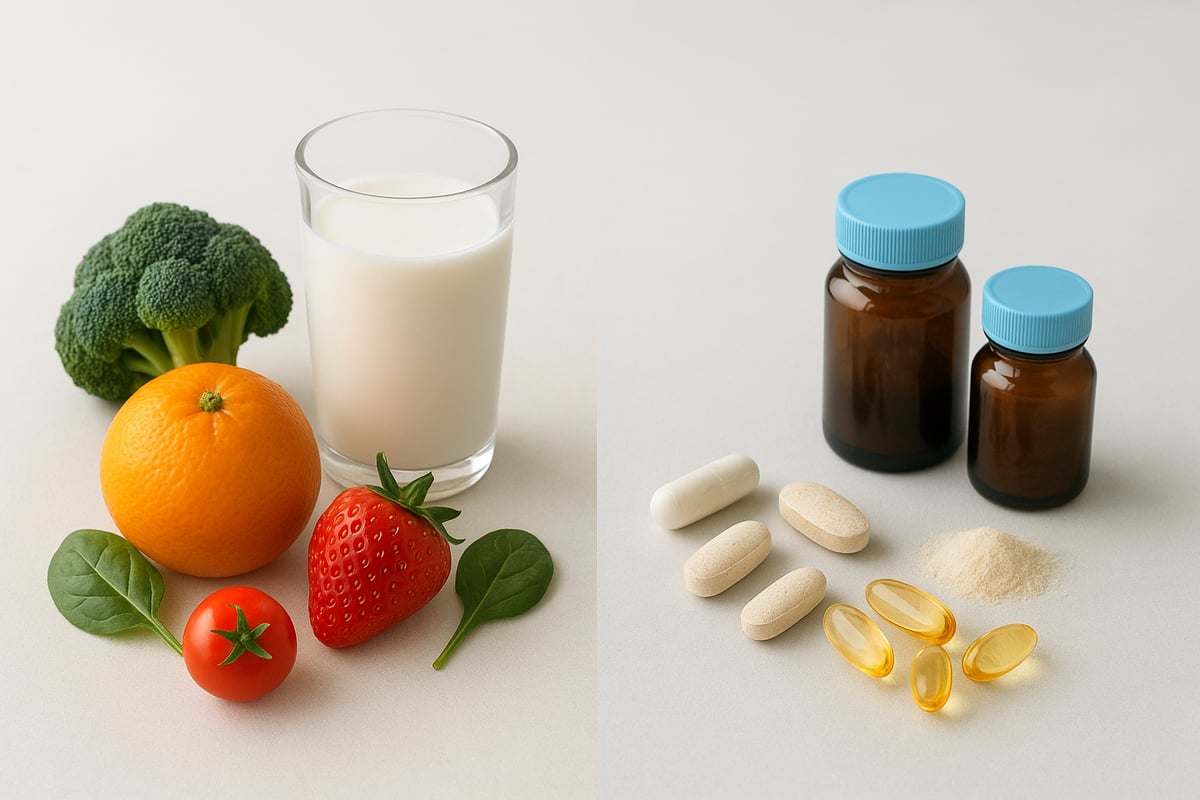
At the core, the difference between vitamin and supplement lies in their definitions and range. Vitamins are specific organic compounds that your body cannot produce in sufficient amounts, so you must obtain them from food or supplements. They are essential for normal growth, development, and overall health.
Supplements, on the other hand, refer to a broad category of products designed to add nutritional value or support specific health needs. This includes vitamins, minerals, herbs, amino acids, and more. Not all supplements are vitamins, but all vitamins offered as pills or powders are considered supplements.
Another key point in the difference between vitamin and supplement is necessity. Vitamins are essential micronutrients, while supplements may be optional or used for targeted health concerns.
Comparison Table:
| Aspect | Vitamins | Supplements |
|---|---|---|
| Definition | Essential organic micronutrients | Broad category, includes vitamins and more |
| Scope | Limited to 13 specific compounds | Includes vitamins, minerals, herbs, etc. |
| Essential/Optional | Always essential for health | May be essential or condition-specific |
Sources and Composition
When considering the difference between vitamin and supplement, it’s important to look at where they come from and how they’re made. Vitamins naturally occur in whole foods such as fruits, vegetables, dairy, and meats. For example, vitamin C is abundant in oranges, while vitamin B12 is found in animal products.
Supplements, however, may be made from natural sources or produced synthetically. They can include single nutrients like vitamin D or complex blends such as multivitamins or herbal formulas. Supplements often contain additional ingredients like fillers, binders, or flavorings to improve stability or taste.
In short, the difference between vitamin and supplement is not only about composition but also about source. Consuming vitamin C from an orange provides fiber and antioxidants, while a vitamin C supplement delivers the nutrient in isolation.
Function and Purpose
The difference between vitamin and supplement becomes even clearer when you examine their roles. Vitamins are required to prevent deficiency diseases and maintain basic physiological processes. For instance, vitamin D supports bone health and immune function, while vitamin A is vital for vision.
Supplements serve a broader range of purposes. They can fill dietary gaps, support athletic performance, or target specific health concerns like joint pain or sleep quality. For example, a multivitamin promotes overall wellness, while glucosamine supplements are often used to support joint health. Understanding the difference between vitamin and supplement can help you select the right product for your goals.
Regulation and Labeling
Regulation is a crucial aspect of the difference between vitamin and supplement. Vitamins found in food are regulated as nutrients, with strict standards for labeling and safety. Dietary supplements, including vitamins and other compounds, are regulated under the Dietary Supplement Health and Education Act (DSHEA). This means supplements are not approved by the FDA before reaching the market, but their labels and manufacturing practices are monitored.
Supplement labels must clearly list all ingredients, recommended dosages, and any disclaimers about health claims. For a deeper look at how experts view these regulatory distinctions, see Doctors' insights on vitamins and supplements.
By understanding the difference between vitamin and supplement, you can better evaluate product labels, recognize quality standards, and make informed decisions about what you put into your body.
Health Benefits and Risks: Vitamins vs. Supplements
Understanding the health benefits and risks is crucial when exploring the difference between vitamin and supplement choices. Both play significant roles in wellness, but their impacts vary based on individual needs, quality, and usage patterns.
Health Benefits
The difference between vitamin and supplement becomes clear when considering their unique health benefits. Vitamins are essential micronutrients required for daily body functions, such as immune defense, metabolism, and cell repair. For example, vitamin C supports immunity and skin health, while vitamin D is crucial for bone strength. These benefits are universal, as deficiencies can lead to specific diseases or health challenges.
Supplements, on the other hand, offer targeted support that extends beyond just filling vitamin gaps. They may include minerals, probiotics, omega-3 fatty acids, or herbal blends designed for specific health outcomes. For instance, probiotics can improve digestive balance, and omega-3s are linked to heart health. Research shows that some supplements, like vitamin D and omega-3, have robust evidence supporting their use.
A notable aspect of the difference between vitamin and supplement lies in their applications. Supplements can be tailored for energy, sleep, or joint health, while vitamins primarily address foundational needs. According to Time's analysis on supplement efficacy, clinical studies support the benefits of certain supplements, but not all products deliver measurable improvements. This highlights the importance of evidence-based choices when navigating the difference between vitamin and supplement for wellness.
Potential Risks and Side Effects
Exploring the difference between vitamin and supplement also means understanding their potential risks. Overconsumption of fat-soluble vitamins (A, D, E, K) can lead to toxicity, since the body stores excess amounts. Symptoms may include nausea, headaches, or even organ damage in severe cases. In contrast, water-soluble vitamins are usually excreted, but excessive doses can still cause harm.
Supplements vary widely in composition and regulation. Some may interact with medications or cause allergic reactions. For example, St. John's Wort can interfere with antidepressants, while certain herbal blends may contain hidden contaminants. The difference between vitamin and supplement regulation is important: supplements are not pre-approved by the FDA, so quality can be inconsistent.
Another risk factor is mislabeling or contamination, which can lead to unexpected side effects. Consumers must be vigilant, as the difference between vitamin and supplement safety often depends on manufacturing standards and third-party testing. Always read ingredient lists and consult experts before starting any new product.
Who Needs What?
Determining who benefits most from vitamins or supplements underscores the difference between vitamin and supplement use. For the general population with balanced diets, essential vitamins are typically met through whole foods, reducing the need for supplementation. However, some groups have higher requirements or face absorption challenges.
Older adults, pregnant women, vegans, and individuals with chronic illnesses may need additional support. For example, vitamin B12 is essential for vegans, while calcium is important for postmenopausal women. The difference between vitamin and supplement becomes significant in these contexts, as supplements can bridge specific nutritional gaps.
Data shows that 35% of adults over 50 use supplements to address deficiencies. Still, not everyone needs the same products, so personalized assessment is key. Consulting with healthcare providers and using blood tests can help identify individual needs, ensuring that the difference between vitamin and supplement is leveraged for optimal health without unnecessary risks.
Choosing the Right Product: Vitamins or Supplements?
Making the right choice between vitamins and supplements can feel overwhelming. Understanding the difference between vitamin and supplement is crucial for building a safe, effective routine. Each person’s health needs are unique, so a thoughtful approach ensures you get the benefits you seek without unnecessary risks.
Assessing Your Needs
Before adding anything to your routine, consider your individual circumstances. The difference between vitamin and supplement becomes especially significant when evaluating what your body truly requires. Start by asking: Are you meeting your nutritional needs through food alone? Or do you have gaps that need to be filled?
Consulting a healthcare provider is essential. They can help you analyze your diet, review blood work, and discuss any symptoms or health conditions. For example, vegans may need vitamin B12, while postmenopausal women might benefit from calcium. Personalized guidance ensures you focus on what’s necessary, not just what’s trending.
Common scenarios where supplementation is valuable include:
- Dietary restrictions (vegan, vegetarian, food allergies)
- Life stages (pregnancy, aging)
- Chronic health conditions
- Limited sun exposure (vitamin D needs)
For an in-depth look at when supplements are truly needed, see To supplement or not to supplement.
Remember, understanding the difference between vitamin and supplement helps prevent unnecessary or excessive intake.
Reading Labels and Quality Assurance
Once you know what you need, evaluating product quality is the next step. The difference between vitamin and supplement is reflected in how these products are labeled and regulated. Supplements come in many forms, so learning to read labels protects you from misleading claims or low-quality options.
Focus on these key elements:
- Active ingredients: What nutrients or compounds are present?
- Dosage: Does it match recommended guidelines?
- Other ingredients: Check for fillers, allergens, or additives.
- Third-party testing: Look for independent certifications for safety and potency.
Here’s a table summarizing important certifications to look for:
| Certification | What It Means |
|---|---|
| USP | Verified for purity and potency |
| NSF | Meets strict safety standards |
| GMP | Produced in quality facilities |
Avoid products with proprietary blends or vague ingredient lists. Reliable brands provide transparency, batch numbers, and clear instructions. Paying close attention to these details ensures you are making informed decisions based on the real difference between vitamin and supplement.
Trends and Innovations in 2026
The supplement industry is evolving fast. In 2026, the difference between vitamin and supplement is further shaped by new technologies and changing consumer demands. Personalized nutrition is on the rise, with DNA testing and custom supplement packs becoming more accessible.
Other trends include:
- Plant-based supplements: More options for those seeking clean-label formulas.
- Digital tracking: Apps help monitor intake, set reminders, and measure efficacy.
- Sustainable packaging: Eco-friendly materials reflect growing environmental awareness.
These innovations make it easier to tailor your choices. However, always return to the basics: Know your needs, understand the difference between vitamin and supplement, and choose products that match your values and health goals.
By staying informed and using modern tools, you can confidently navigate the evolving landscape of vitamins and supplements.
Doctor-Formulated Supplements for Healthy Aging
As we age, our bodies undergo significant changes that affect nutritional needs and overall health. For adults over 45, understanding the difference between vitamin and supplement is crucial to making choices that truly support healthy aging. Many age-related concerns, such as declining bone density, slower metabolism, and weakened immunity, call for targeted nutritional support beyond what a standard diet may provide.

Unlike generic products, doctor-formulated supplements are specifically designed for the unique physiology of older adults. These formulas are developed by medical experts who understand the science of aging, ensuring ingredients and dosages are both safe and effective. This approach blends the precision of modern medicine with the benefits of natural compounds, giving users confidence in their supplement regimen.
Lifeguard Health in New Zealand, led by Dr. Roderick Mulgan, exemplifies this commitment to quality and research. Their products are tailored to address common aging concerns like immunity, energy, sleep, and joint health. When considering the difference between vitamin and supplement, it is important to recognize that doctor-formulated options often combine multiple nutrients, herbs, and functional ingredients for a comprehensive solution. For more insight into essential products for midlife, explore the Top 7 essential supplements for your 40s and 50s.
Choosing doctor-formulated, age-specific supplements offers several advantages:
- Evidence-based, clinically developed formulas
- Targeted support for the most common age-related health issues
- Higher quality control and ingredient transparency
In addition to superior products, reputable brands provide educational resources such as quizzes, guides, and books to help adults manage their health holistically. This empowers individuals to make informed decisions, emphasizing the difference between vitamin and supplement in a practical, accessible way. For those seeking optimal wellbeing in later years, doctor-formulated supplements can be a key part of a proactive health strategy.
Myths and Misconceptions About Vitamins and Supplements
Confusion about the difference between vitamin and supplement often leads to persistent myths. These misconceptions can influence health decisions and even pose risks if not addressed. Understanding the facts is crucial for making informed choices.
Common Myths Debunked
Several widespread myths blur the difference between vitamin and supplement. Let us break down the most common misconceptions:
- “Supplements are always necessary”: Many believe everyone needs supplements, but most people with balanced diets can meet their nutritional needs through food. Supplements can help fill gaps, but they are not a universal requirement.
- “Natural means safe”: This myth is especially risky. Some herbal supplements, though labeled natural, can cause adverse effects or interact with medications. In fact, a CDC study on supplement-related ER visits revealed thousands of emergency room visits each year are linked to supplement use.
- “More is better”: Taking excessive vitamins can be dangerous, especially fat-soluble types that accumulate in the body. Overdosing does not enhance benefits and may instead lead to toxicity.
- “Supplements replace a healthy diet”: No supplement can replicate the complex nutrients and fiber found in whole foods. A well-balanced diet should always be the foundation, with supplements used only when specific needs arise.
Believing these myths can obscure the real difference between vitamin and supplement, sometimes resulting in ineffective or unsafe health choices.
Expert Insights and Best Practices
Experts emphasize the importance of understanding the true difference between vitamin and supplement before making decisions. Here are some best practices to follow:
- Consult healthcare professionals: Always seek advice from qualified providers before starting any new supplement, especially if you have medical conditions or take medications.
- Customize your approach: Individual needs vary based on age, diet, lifestyle, and health status. Not everyone benefits from the same products.
- Stay informed: The field of nutrition evolves rapidly. Rely on reputable sources like the NIH, FDA, or Mayo Clinic for up-to-date information.
- Read labels carefully: Check ingredient lists, dosages, and certifications to ensure product quality and avoid unwanted additives.
By applying these expert tips, you can confidently navigate the difference between vitamin and supplement and avoid falling for misleading claims. Informed choices support both safety and wellbeing.
Now that you understand the crucial differences between vitamins and supplements, you’re better equipped to make smart choices for your wellbeing, especially as you move into your 40s and beyond. It’s all about finding what your body truly needs—no more guesswork or one size fits all solutions. If you’re curious about your own nutritional needs and want guidance tailored to your stage of life, you can take the next step and discover your healthy ageing profile.
This quick quiz can help you identify the right support for your health journey.